
3 Minutes
You go in for a routine eye exam and walk out with a prescription — or, perhaps one day, with a warning. It sounds like science fiction, but new research suggests the retina may hold early clues about a person’s risk for Alzheimer's disease, long before memory slips become apparent.
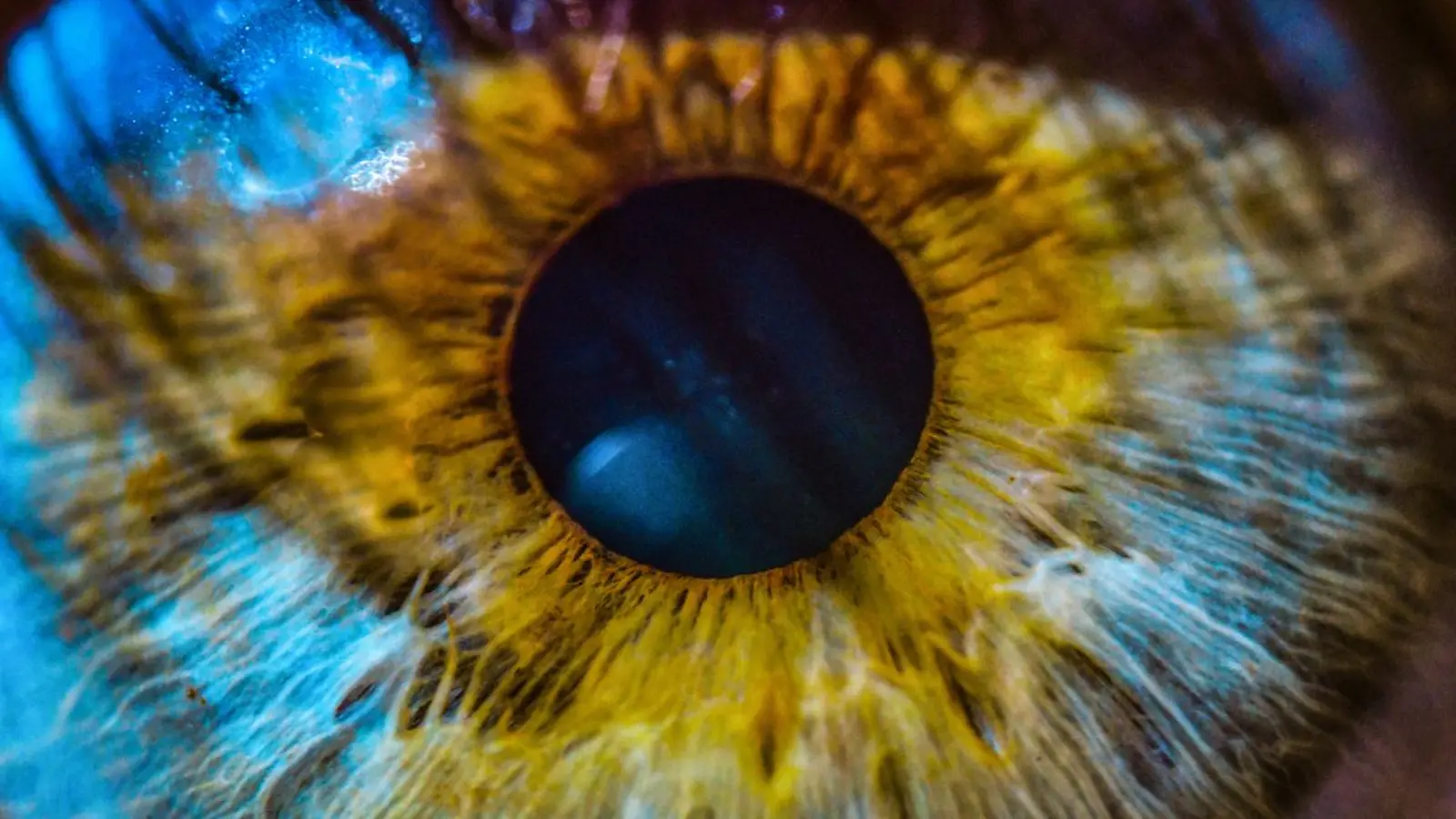
The retina is more than a canvas for vision. It is a thin, neuron-rich tissue that mirrors the brain’s tiny blood vessels and neural wiring. Because it is visible through noninvasive photography, researchers have begun treating it like a window into the body’s deeper, slower-moving pathologies.
In the largest study of its kind, a team led by biomedical engineer Ruogu Fang at the University of Florida fed 62,876 retinal photographs from more than 40,000 UK Biobank participants into deep learning algorithms. The AI wasn’t trained to spot Alzheimer's directly. Instead, it learned to predict a dozen risk-related factors — sex, age, smoking, sleep patterns, alcohol use, depressive symptoms, body mass, blood pressure and other vascular or metabolic signs — from subtle patterns in the images.

The results were striking. The models picked up on tiny changes that most clinicians would miss: hardened, less flexible vessels; lower microvascular density; subtle thinning of the optic nerve head; and constricted arterioles. These are hallmarks of retinal aging, and they correlated with a higher likelihood of developing Alzheimer's down the line.
That said, the photos do not constitute a decades-in-advance diagnosis. What they reveal are signatures — fingerprints of cumulative risk that align with established demographic, vascular and lifestyle drivers of dementia. Associations, not certainties. Cause, not proven.
"We know that Alzheimer's disease develops over decades, but most of the diagnostic tools focus on late-stage pathology when it is too late to intervene," Fang and colleagues write. By turning retinal health into a biomarker, they argue, clinicians might flag at-risk patients earlier and encourage preventive measures.
Retinal imaging could become an early alarm bell for cognitive decline, offering actionable leads long before memory loss becomes visible.
There is a practical appeal to this idea. Retinal photos are already routine for people with diabetes, glaucoma or cataracts. If those same images can be mined for dementia risk signals, the clinical infrastructure is largely in place. And the retina may be telling us more than just about the brain: prior studies have linked retinal features to bone health and even overall mortality risk, suggesting it reflects systemic changes.
But caution is necessary. The study describes patterns and correlations. The biology underneath — whether arteriolar constriction signals a broader neurovascular breakdown that drives Alzheimer's, or is a parallel effect of aging and vascular disease — remains unresolved. More longitudinal work is needed to untangle those threads.
Think of Alzheimer's as a trail of crumbs. The retina may be one place those crumbs fall. Follow them carefully, and they could reveal new routes for early detection, prevention trials, and a deeper understanding of how brain disease begins and spreads.







Leave a Comment
Comments
No comments yet. Be the first.