
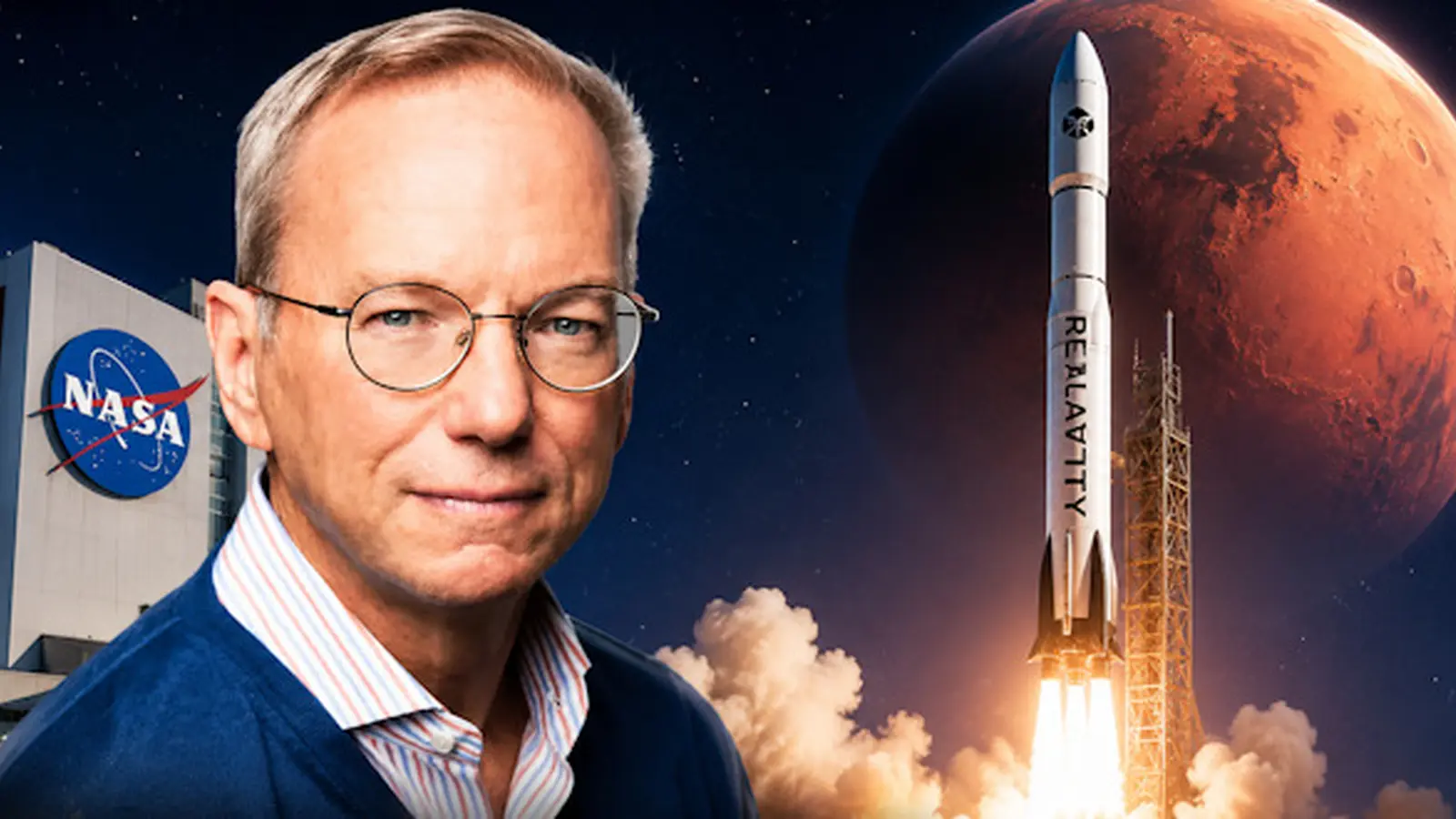
A single contract can change how we approach Mars. That’s the thought hanging over this latest decision from NASA: a private firm will carry a critical weather payload to the Red Planet in 2028.
Relativity Space, backed by prominent tech investors including Eric Schmidt, has been tapped to launch Aeolus, a scientific package designed to read the invisible currents and fluctuations of the Martian atmosphere. The choice is more than logistics; it’s a test of whether commercial players can shoulder complex, mission-critical roles once reserved for government-run hardware.
Why does wind on Mars matter? Because for humans, landing is the riskiest moment. Aeolus will measure wind patterns, temperature swings, dust mobilization and cloud motions with finer resolution than previous probes. Those data feed directly into models that predict entry, descent and landing conditions. Better predictions mean better heat shields, smarter navigation software, and fewer surprises when craft meet a planet that eats momentum for breakfast.

The partnership frames a practical exchange: NASA’s scientific ambition meets private-sector agility and new manufacturing methods. Engineers will use Aeolus readings to refine thermal protection systems and guidance algorithms. Mission planners will gain a clearer picture of how dust storms start and spread, and how local gusts could buffet a lander—or a habitats’ airlock.
Teams on both sides stand to learn. If Relativity Space proves it can deliver and deploy a delicate instrument into Mars orbit or atmosphere on schedule, the industry gains credibility. If Aeolus returns high-quality atmospheric profiles, designers get the empirical detail needed to reduce risk for crewed missions and to test systems intended for temporary human outposts.

The move also signals a cultural shift in space exploration: private contractors are no longer mere launch providers. They are partners in science, collaborators in risk reduction and architects of the next step toward human footprints on Mars. It’s the kind of collaboration that could shorten timelines and broaden who gets to participate in interplanetary exploration.
Success is not guaranteed. Martian weather is stubborn. Instruments fail. Schedules slip. But if Aeolus delivers the atmospheric intelligence NASA needs, those first human missions will not be blind leaps—they’ll be informed steps onto a world we’ve started to understand.

Leave a Comment
Comments
No comments yet. Be the first.