
3 Minutes
It began in tooth enamel—tiny genetic traces preserved for millennia that suddenly make a prehistoric mystery click into place. In several Lake Baikal cemeteries, archaeologists had long wondered why so many children and adolescents were buried within a short span. The bones said something happened. The DNA finally supplied the who and the how.
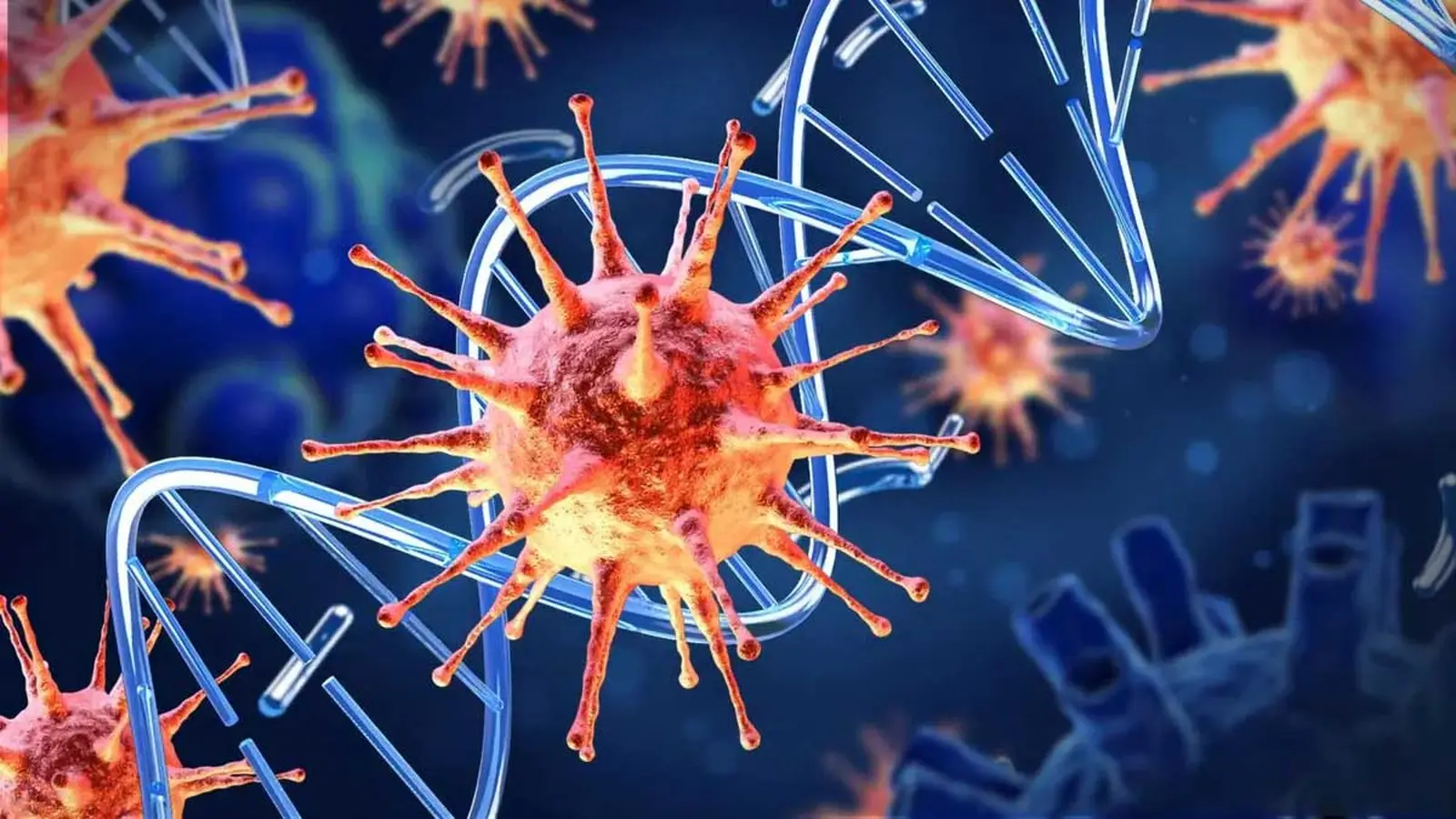
Researchers extracting bacterial genomes from ancient teeth reconstructed some of the oldest known strains of Yersinia pestis, the bacterium that later wrought havoc across medieval Europe. These genomes came from four hunter-gatherer burial sites in eastern Siberia. No cities. No rats. No agriculture. Yet the pathogen was present. And lethal.
They found Y. pestis DNA in 18 of 46 bodies tested—almost 40 percent. Numbers like that are striking, even compared with many medieval plague graves. Radiocarbon dates, family relationships read from human genomes, and burial patterns lined up to suggest sudden outbreaks that swept through small kin groups: siblings and parents buried together, deaths clustered in time.
So how could a killer bacterium do such damage before it evolved the flea-borne tricks that powered later pandemics? The answer appears to lie in the pathogen’s toolbox. These ancient strains lacked the genetic changes that later enabled efficient flea and rodent transmission. But they did carry a potent superantigen—a toxin-like factor that can provoke an overwhelming immune response, severe inflammation, and rapid deterioration.

Even without flea-borne spread, early plague strains seem to have been capable of killing quickly, especially among children.
The picture that emerges is unsettling and illuminating at once. Instead of slow, gradual adaptation from a mild ancestor, Y. pestis already had virulence mechanisms that made it dangerous in small, dispersed populations. Those mechanisms hit hard in communities where close contact with infected wild animals—marmots, for example—was part of life. Archaeology shows these hunter-gatherers had frequent interactions with large burrowing rodents that still harbor plague today, so direct transmission from animals to people is a plausible route.
For decades scholars assumed plague became a major threat only after human settlements grew dense and rats joined the story. This study forces a rethink: deadly outbreaks occurred long before cities and agriculture provided the ecological conditions we usually blame for pandemics. The past is messier than our neat models.
Beyond rewriting the timeline, the findings show the power of combining ancient pathogen genomics with fine-grained archaeological context. Teeth become time capsules. Graves become chapters. And genetic kinship ties turn a scatter of bones into a narrative of families felled within weeks or months.
There’s still work to do. How often did such outbreaks occur across Eurasia? Did different animal hosts or local practices shape the severity? And what can these deep-time episodes teach us about how pathogens evolve virulence in the absence of dense human networks?
History keeps surprising us. The microbes of the deep past still have lessons for the present.







Leave a Comment
Comments
No comments yet. Be the first.