
3 Minutes
Imagine learning that one tiny sugar molecule on the surface of your red blood cells nudges your diabetes risk ever so slightly. It sounds like the sort of genetic trivia you’d forget at a party. But for researchers sifting through mountains of studies, that nudge—if real—could be meaningful when paired with other risk factors.
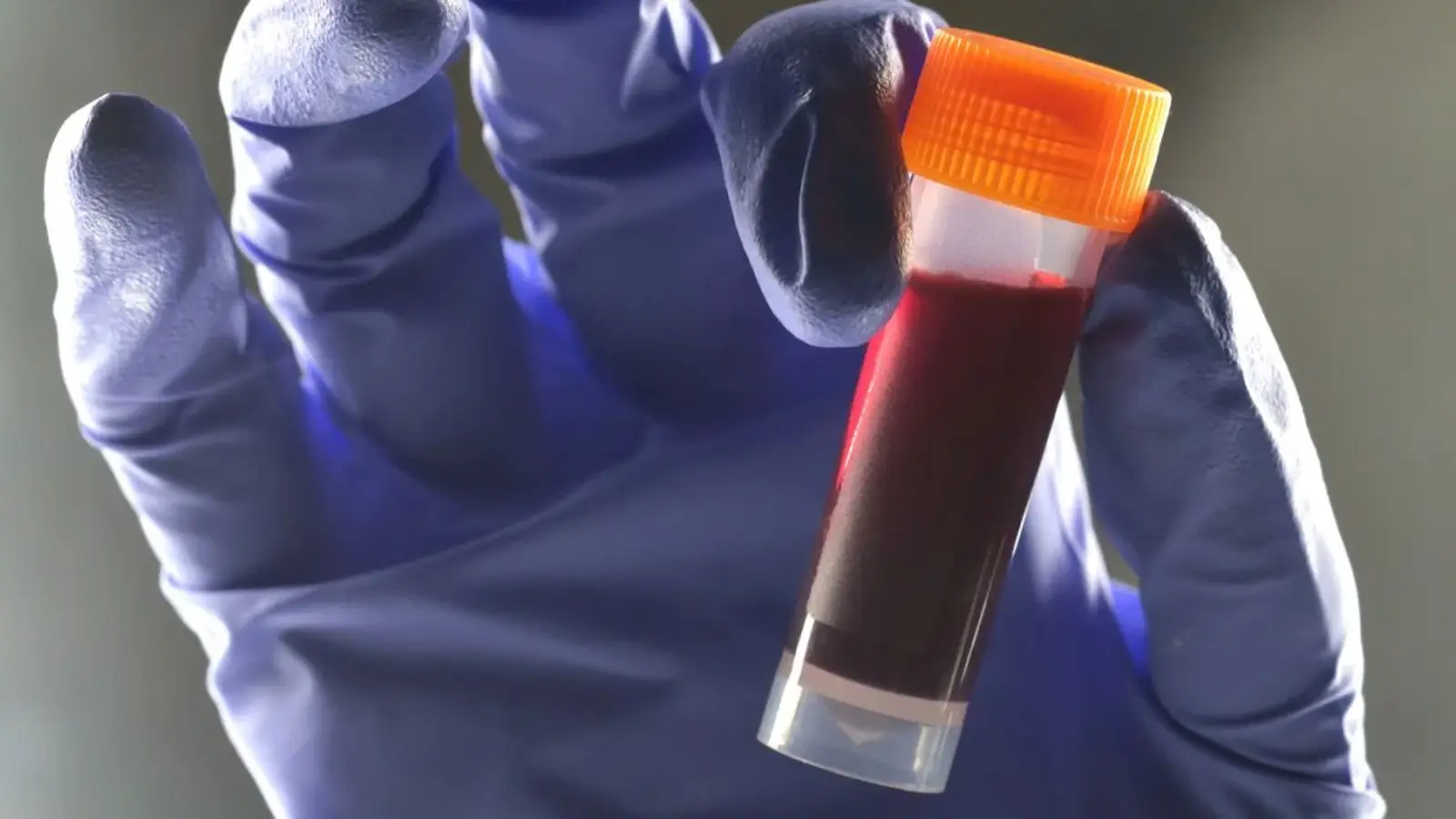
A sweeping umbrella review led by epidemiologist Fang-Hua Liu at Shengjing Hospital of China Medical University re-examined 51 systematic reviews with meta-analyses, covering roughly 270 proposed links between blood groups and health outcomes. The team pulled the raw threads apart, recalculated each association, and put every result through statistical stress tests designed to expose flimsy or biased findings.
What survived? Only one relationship met the review’s most rigorous criteria: people with blood type B, whether positive or negative for the Rhesus factor, had about a 28 percent higher odds of developing type 2 diabetes compared with non-B blood types. That’s a real effect, but modest in scale. Small, when stacked against major lifestyle drivers.

To be clear: 28 percent higher risk is not destiny. Diet, body weight, and physical activity still matter far more. For context, eating 50 grams of processed meat a day has been linked with roughly a 37 percent rise in type 2 diabetes risk; a sedentary lifestyle has been associated with more than doubling that risk. Genetics and blood chemistry may tip the scales, but they rarely act alone.
The review’s strength is in its rigor. The authors searched PubMed, Web of Science, Embase, Scopus, Cochrane Library and regional databases up to Feb. 16, 2024, then examined consistency across studies, sample sizes, and signs of bias—like small-study effects or selective reporting. Most proposed blood-group associations folded under scrutiny. Only the B versus non-B link held up under repeated tests.
Why might blood type B relate to diabetes risk? The review did not pinpoint mechanisms. Some follow-up work points to the gut microbiome or subtle differences in inflammation and clotting pathways tied to ABO antigens, but that research is still exploratory. In short: we have a hint, not a blueprint.
What the study really exposes is the messy state of research linking blood groups to disease. Lots of associations are whispered in the literature, few are shouted from the rooftops once you apply strict criteria. Better-designed studies and larger datasets are needed to untangle cause from coincidence.
For now, the practical takeaway is straightforward. Knowing you have blood type B might add a small dot to your personal risk map. It doesn’t replace the larger, modifiable factors—diet, weight, exercise—that dominate type 2 diabetes prevention. But if you’re building a fuller picture of risk, this is one more tile to place thoughtfully.
The review was published in BMC Medicine, and it reminds clinicians and curious readers alike that sometimes the most robust findings emerge only after decades of noisy, contradictory science have been filtered down to a single, repeatable signal.










Leave a Comment
Comments
No comments yet. Be the first.