
3 Minutes
They swallowed a pill every morning knowing it contained nothing. Three weeks later they remembered more, walked a little straighter, and felt less frazzled. Sound like magic? It isn’t — it’s the stubborn, quiet power of expectation.
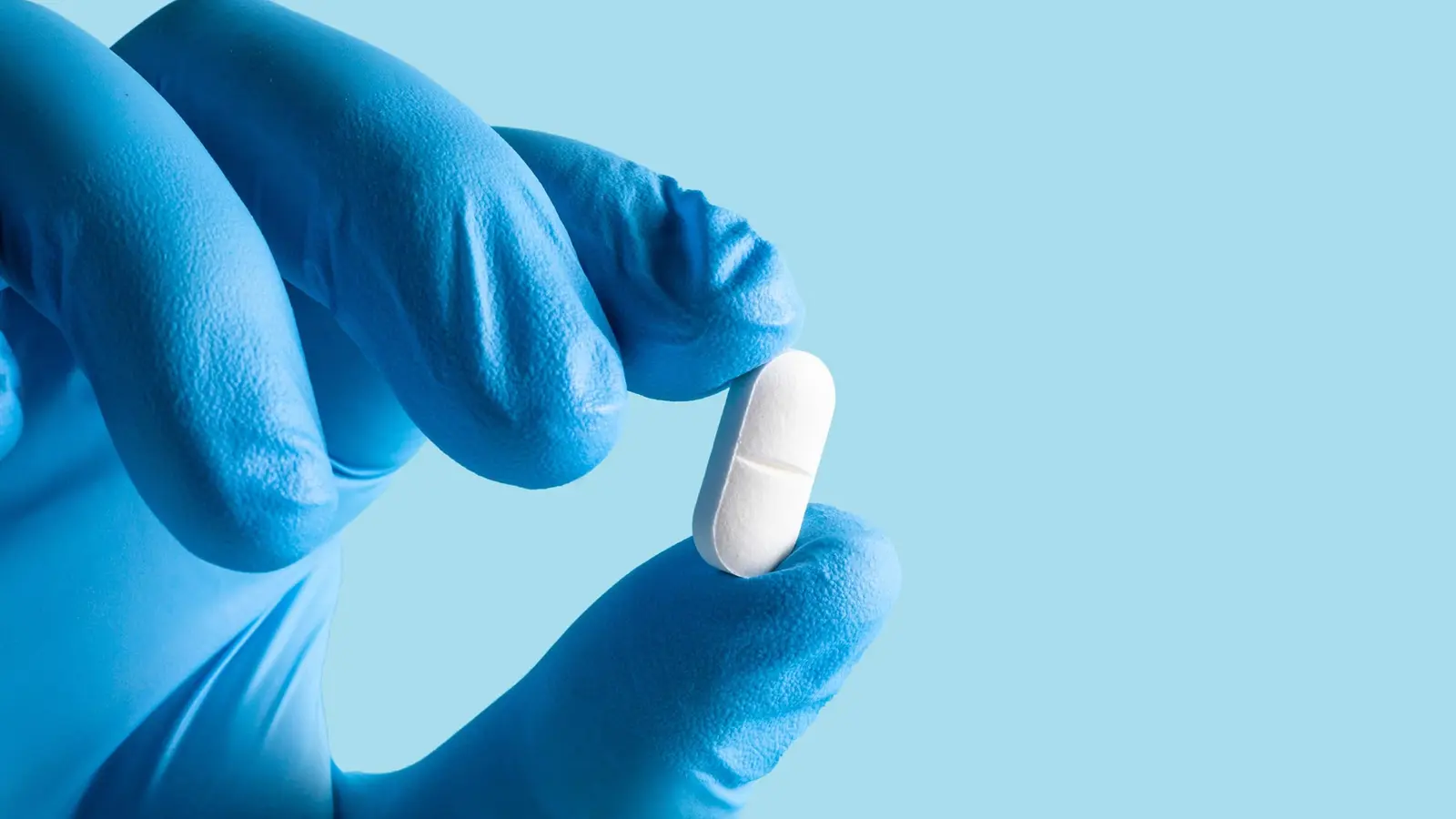
Researchers at Università Cattolica in Milan recruited 90 healthy older adults and split them into three groups: one did nothing, another received a pill described as an active supplement, and the third was given a pill but told frankly it was inert — an open‑label placebo — while also being told that the act of taking it could still trigger helpful mind–body responses. Participants completed a battery of self-report surveys (stress, sleepiness, optimism, fatigue, beliefs about aging) and objective tests of short‑term memory, selective attention, and physical performance before and after the short intervention.
The results were striking. Both placebo groups improved on cognitive and physical tests, but the people who knowingly took the inert pill often fared best. Physical performance rose by about 7% in the deceptive placebo group and roughly 9.2% in the open‑label group. Memory and other cognitive measures climbed too — improvements ranged from roughly 6.9% up to 21.5%, depending on the test and group. Notably, participants told they were taking a placebo reported larger drops in perceived stress than those who received the pill deceptively or those who had no treatment at all.
“We wanted to see whether an open‑label placebo could change abilities that usually decline with age,” the study’s team explained. Led by Diletta Barbiani, Alessandro Antonietti, and Francesco Pagnini and published in the International Journal of Clinical and Health Psychology, the work sits within a broader research program exploring how thoughts and expectations shape aging. The project was supported by PNRR funding through the Age‑IT initiative.

Why would a known placebo outperform a deceptive one? One plausible answer is psychological safety. When people accept a harmless ritual with transparent information, they may engage with the treatment confidently rather than suspiciously. That engagement can alter attention, motivation, stress reactivity and, ultimately, performance. Expectation acts like a lever: subtle shifts in belief free up resources that the brain and body can redeploy for tasks such as remembering a list or climbing stairs.
The magnitude of change matters. Improvements reported here are comparable to gains sometimes seen after short bouts of cognitive training or moderate exercise. That doesn’t mean sugar pills replace established interventions. But it does suggest that harnessing expectation — ethically and transparently — could become a low‑cost complement to other strategies for healthy aging.
Still, questions remain. How durable are these effects? Do they scale in larger, more diverse populations? Which psychological components — ritual, reassurance, attentional focus — carry the most weight? The Milan team cautions against oversimplification while inviting further study into mechanisms and long‑term outcomes.
For clinicians and caregivers, open‑label placebos offer an intriguing route: a treatment that respects informed consent and yet taps into the mind’s capacity to support body and cognition. For anyone watching a parent or grandparent struggle with memory lapses, the research nudges us toward a broader view of care — one that blends evidence, empathy, and the little rituals that make people feel seen and hopeful.
Belief, it seems, isn’t mere fluff — it’s a tool. The question now is how wisely we choose to use it.












Leave a Comment
Comments
No comments yet. Be the first.