
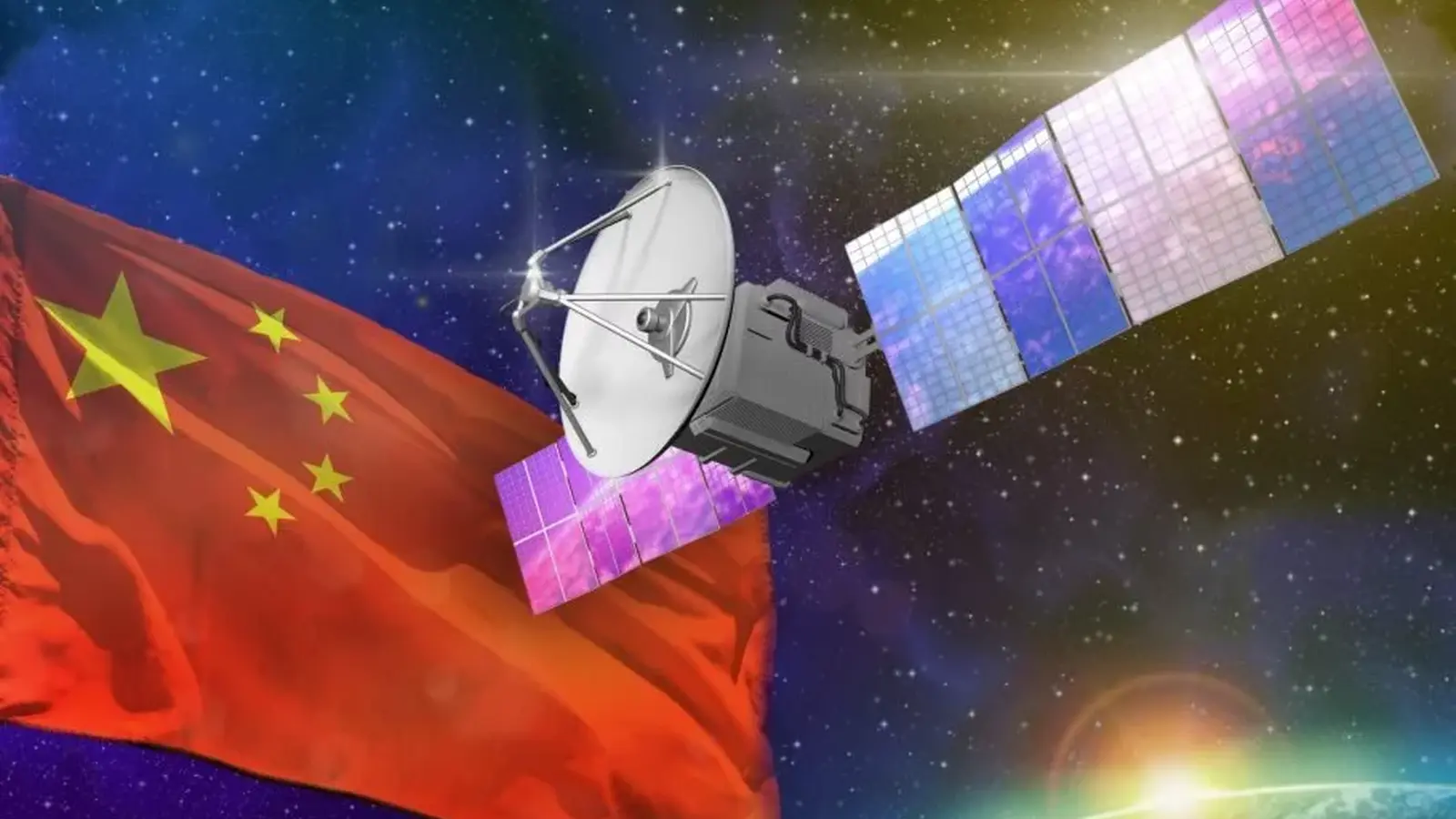
Imagine navigating with a satellite system you never paid for, ordering high-resolution images of a conflict zone by the hour, or watching a rival satellite suddenly lose control. These are not scenes from sci-fi. They are unfolding realities, according to a recent Washington think tank report that has set off alarm bells in policy circles.
The Information Technology and Innovation Foundation (ITIF) found that Beijing has closed the innovation gap with the United States across several critical space capabilities. State support has helped China build a fast-growing commercial space sector that now ranks second globally, and in specific niches Beijing has already moved ahead.
Where does China lead? Its BeiDou navigation constellation has gone global, offering positioning, navigation, and timing services far beyond Chinese borders. Adoption is rising worldwide. At the same time, China’s mix of government programs—like the high-resolution Gaofen series—and commercial imaging constellations such as Jilin-1 have produced one of the largest satellite-imaging ecosystems on Earth. Those systems are used for everything from agriculture to battlefield monitoring.

Not every front looks the same. Low Earth orbit broadband remains a US stronghold. SpaceX’s Starlink and Amazon’s Project Kuiper hold clear operational advantages over China’s Qianfan and Guowang constellations. Technical hurdles—particularly a constrained launch cadence and the absence of proven, reusable orbital-class rockets—are throttling the pace of some Chinese programs.
But advantages in one corner of the domain can still be decisive. China’s commercial and state-backed expansion in navigation services and remote sensing gives it leverage in civilian markets and strategic awareness. The ITIF report warns that if Washington fails to act, Beijing could seize leadership in a global space economy experts estimate may exceed one trillion dollars in the coming decade.
If the United States does not respond decisively, China stands to become the dominant engine of the global space economy.
Competition is no longer purely commercial. The report highlights growing Chinese investment in counterspace tools: kinetic interceptors, electronic warfare systems, and directed-energy technologies designed to disrupt or disable satellites. Public US intelligence, according to ITIF, indicates China is developing maneuverable satellites capable of aggressive on-orbit actions—platforms that could threaten the satellites of other nations in a crisis.
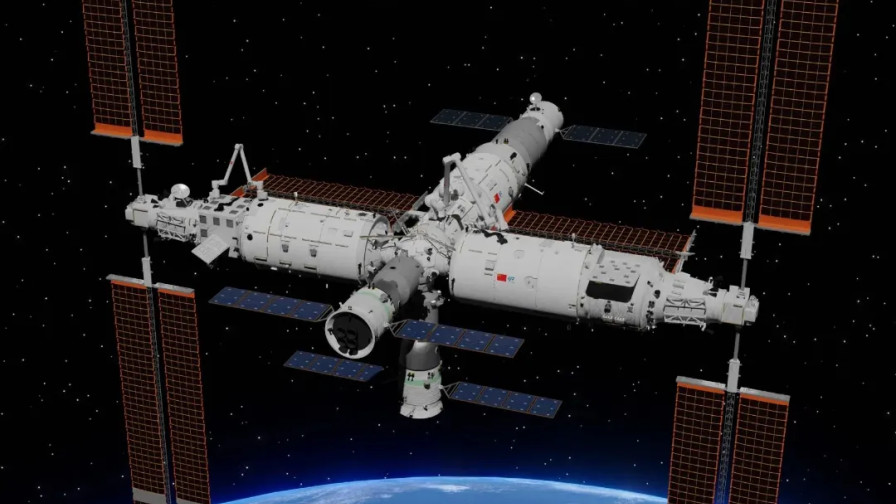
Even the arena of orbital stations has shifted. Decades of experience operating the International Space Station give the United States a legacy edge in long-duration crewed platforms, yet China’s Tiangong station has rapidly matured into a credible, continuing presence in low Earth orbit. Different development paths. Comparable capabilities.
The strategic picture is evolving fast. What began as national prestige and scientific endeavor has become a tangled mix of commerce, geopolitics, and military vulnerability. Allies and partners now weigh which systems to trust for navigation, imagery, and communications. Commercial buyers ask whether to integrate BeiDou signals or cling to GPS. Military planners model scenarios where imaging networks and anti-satellite weapons reshape conflict dynamics.
Policymakers in Washington face choices that are as technical as they are geopolitical: accelerate investment in responsive launch, protect critical satellite architectures, deepen partnerships with private firms, and craft export strategies that preserve allied access to trusted services. The ITIF report reads as both a diagnosis and a warning: the space advantage is no longer guaranteed.
What happens next will depend on strategy, funding, and political will—on how quickly the United States and its partners can turn insight into action and maintain open skies that remain usable for everyone.

Leave a Comment
Comments
No comments yet. Be the first.