
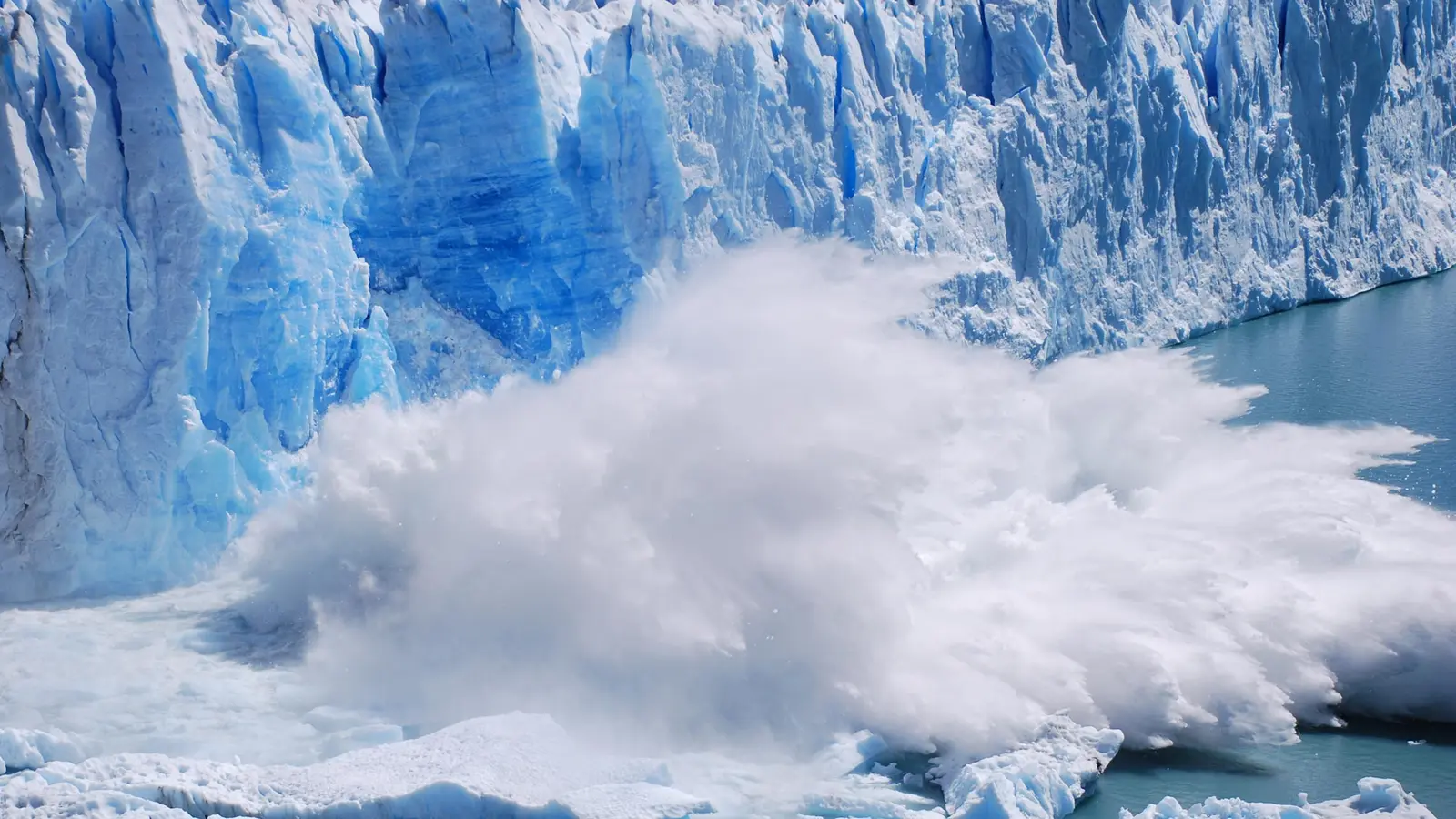
3 Minutes
Imagine a thin ribbon of water sneaking through cracks and, out of sight, nudging entire glaciers toward the sea. That is essentially what a team of researchers found beneath an East Antarctic ice mass when they drilled deep enough to listen to the glacier’s hidden plumbing.
Using a hot-water drill, the scientists bored more than 550 meters into the Langhovde Glacier and lowered cameras and pressure gauges straight to the bed. What they observed cannot be seen from satellites: surface melt pooling in summer ponds can force open fractures, a process called hydrofracturing, and rain or meltwater can then cascade down those conduits all the way to the ice–rock interface.
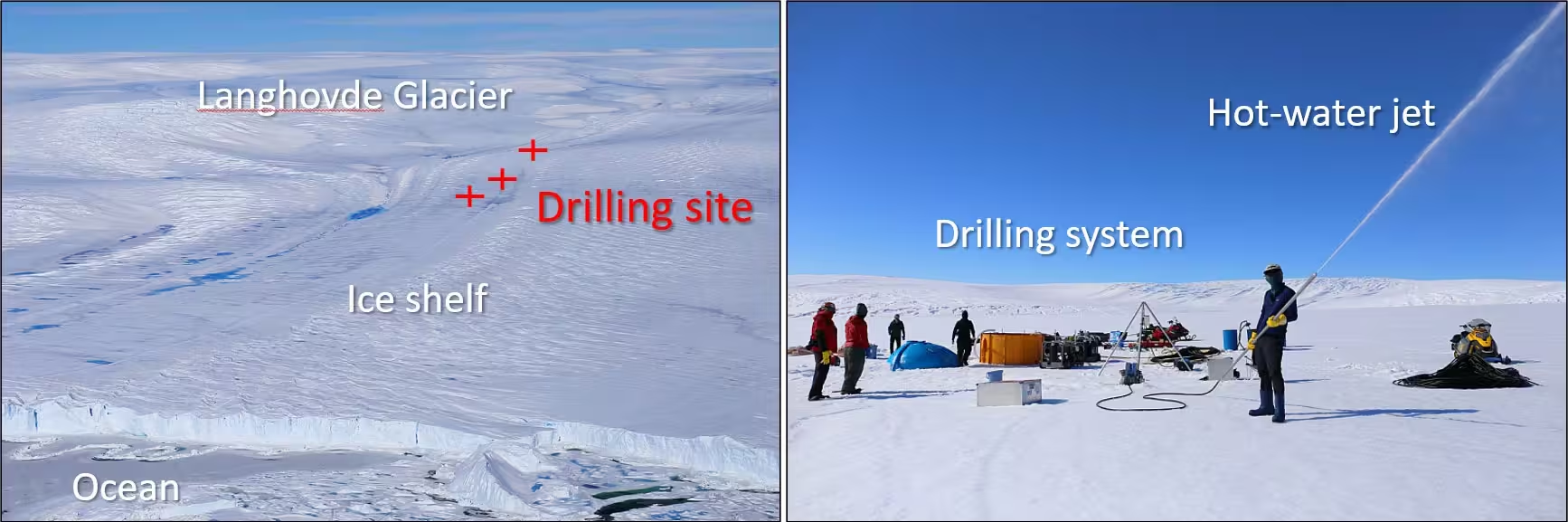
Drilling boreholes deep into the glacier.
Once that water reaches the base, it does something simple and profound. It raises the pressure under the ice, slightly lifts the glacier off its bed, and reduces the friction that normally pins the ice in place. In one intense melt episode and after an uncommon rainfall event in January 2022, basal water pressure climbed until it supported roughly 97% of the overlying ice, and the glacier’s sliding speed increased by about 10–20%.
Those percentages sound modest. They are not. When multiplied across vast ice streams and repeated over warming decades, even small accelerations translate into much more ice delivered to the ocean. The Antarctic ice sheet contains the vast majority of Earth’s glacier ice; if it were to drain wholesale into the seas, global sea level would rise by an amount measured in tens of meters.

Borehole camera images of (a) glacier base, (b) crack found near the base and (c) life under the ice shelf.
The boreholes delivered a surprise beyond mechanics: cameras captured an unexpected, colorful community clinging to a boulder in a few meters of seawater trapped beneath nearly 500 meters of ice. Sponges and anemone-like creatures were living hundreds of meters downstream of where the glacier peels off the seabed, a reminder that subglacial worlds can host ecosystems as well as processes.
Why does any of this matter? Because this direct evidence—pressure sensors at the bed, visual confirmation of hydrofractures, and footage of life under the ice—shows that Antarctic glaciers are not insulated from surface warming. They have a fast lane to deliver meltwater to their bases, and that plumbing can change how quickly ice moves. Observations like these were previously common in Greenland and mountain glaciers, but until now they had not been measured directly beneath Antarctic ice.

Research team that led the study. From left to right: Shin Sugiyama, Masahiro Minowa, Akira Watanabe and Ken Kondo.
Researchers published their findings in a peer-reviewed journal and warn that as surface melting becomes more frequent with climate change, basal lubrication will probably become a larger contributor to ice discharge. The plumbing beneath the ice is not just a curiosity; it could be a deciding factor for coastal futures.
If Antarctic ice continues to lose mass, coastal communities worldwide will be directly affected.

Leave a Comment
Comments
No comments yet. Be the first.