
4 Minutes
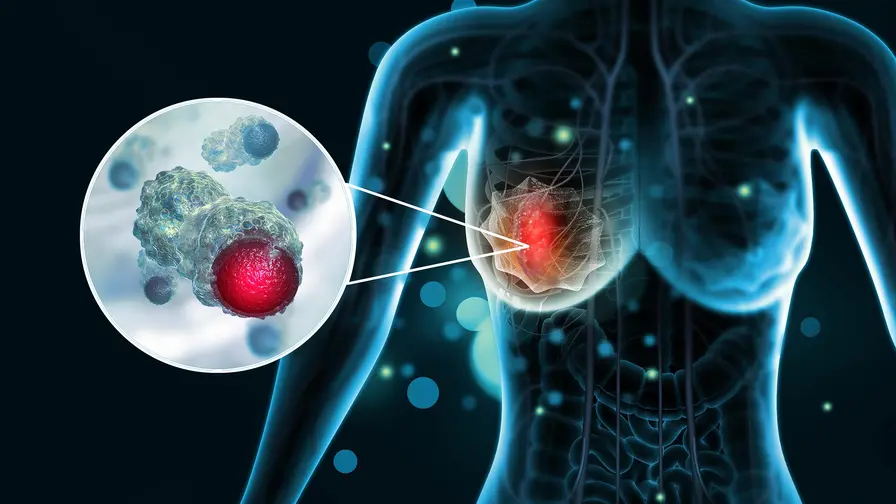
Imagine a neighborhood where entire houses vanish overnight while others multiply and sprout new rooms. That is the scene inside basal-like breast tumors: parts of chromosomes disappear, other stretches are copied to excess, and with every dramatic rearrangement a bewildering crowd of genes changes its behavior. Which of those genes are merely bystanders? Which are pulling the strings?
Researchers in Toronto decided to stop guessing and built a tool that tests gene function in the only place that truly matters — a living tumor. Using a dual-function CRISPR system they call CRISPR-KOALA, the team flipped genes off and cranked others up, inside mouse mammary tissue, to mimic the messy gains and losses of chromosomes seen in basal-like (triple-negative) breast cancer. The result was startling: from more than 3,700 candidate genes they singled out 81 previously unrecognized drivers that help tumors grow.
Why did these genes hide for so long? Because most labs look in dishes, not bodies. Traditional cell-culture experiments remove the tumor from its ecosystem — the immune cells, fluctuating oxygen, blood supply and stromal neighbors that shape which genes actually matter. When cancer is studied in isolation, many context-dependent vulnerabilities vanish. In living tumors, they reappear.
One gene stood out among the newly discovered players: PLGRKT. It acts like a survival coach for cells trapped deep inside a tumor where oxygen runs low. Normal cells falter without oxygen. Cancer cells adapt. PLGRKT helps them switch metabolic gears, keeping energy flowing when the microenvironment turns hostile. That’s not just survival. It fuels growth.
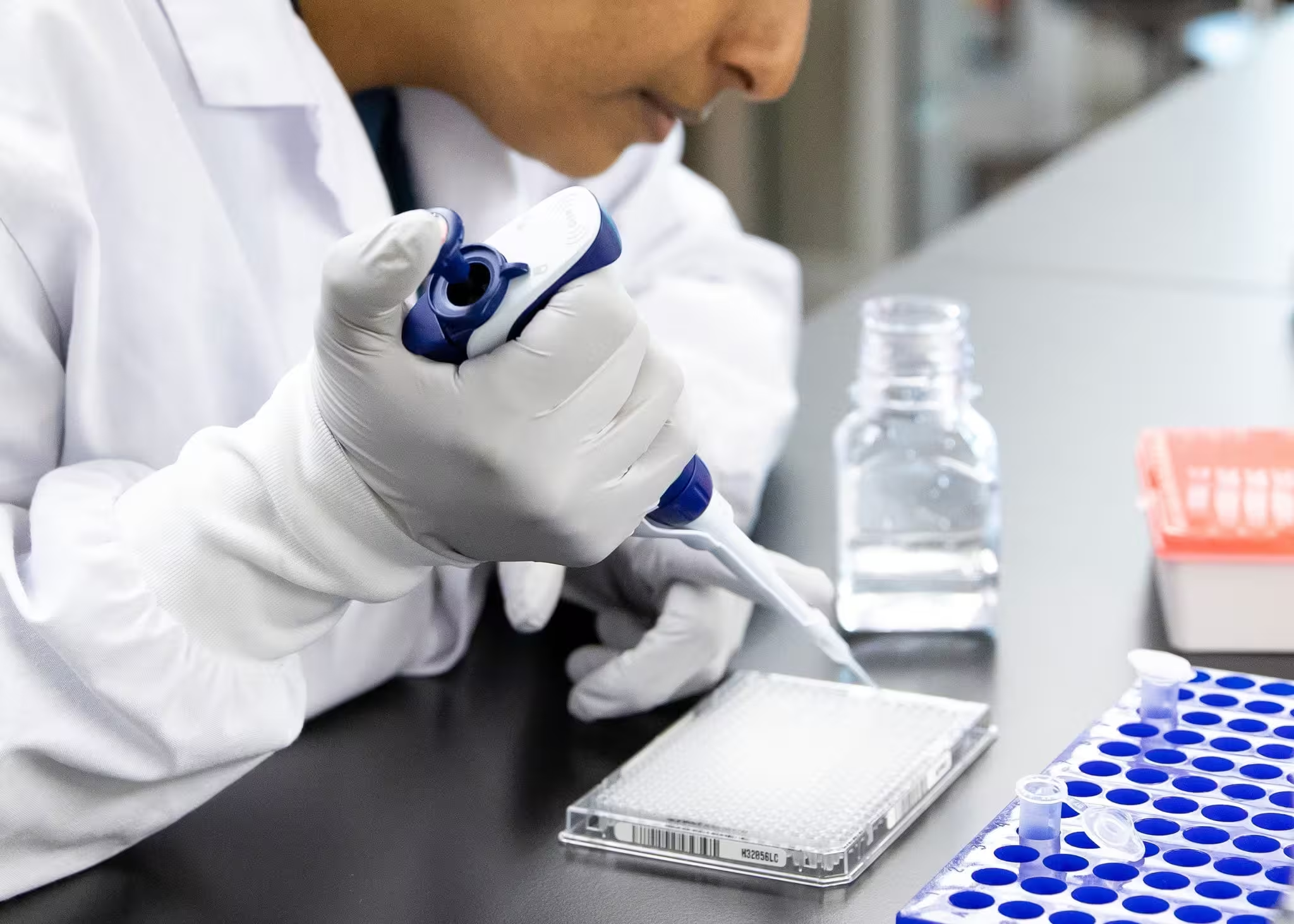
The team developed the new gene editing tool, CRISPR-KOALA, and used it to screen more than 3,700 genes in the mouse mammary gland which are impacted by chromosomal rearrangements.

These findings matter because basal-like breast cancer disproportionately affects younger women and women of color and lacks the hormone and HER2 receptors that make other breast cancers targetable. Without those molecular handles, clinicians have fewer precision-treatment options. Finding driver genes is the first step toward new strategies — drugs that block a metabolic adjustment, or therapies that exploit a gene’s role in tumor maintenance.
Developing CRISPR-KOALA took both technical finesse and a clear sense of what previous approaches missed. The platform combines two genetic maneuvers in the same animal: knockout to simulate lost genetic material, and activation to model the effect of extra copies. That paired approach finally lets scientists recapitulate the chromosomal chaos of aneuploid tumors — not just a catalog of mutations, but the net functional impact of entire swaths of DNA being amplified or deleted.
Beyond the headline of 81 new genes, the study is a reminder: cancer’s script is written not only by DNA sequence but by the tissue stage on which it performs. The interplay between tumor cells and their environment can reveal dependencies invisible in vitro. That’s why 90 percent of the genes identified in this screen had been missed by standard culture experiments.
The work blends computational searches, biotechnology development and functional genomics across mouse and human models. It also points to a practical ambition: translate these discoveries into vulnerabilities drug developers can aim at. Which of the 81 genes will yield a therapeutic target? Which will explain why some tumors resist treatment while others collapse? Those are experiments now within reach.
By testing thousands of candidates inside real tumors, the researchers moved past a noisy genetic map to identify specific switches that push basal-like breast cancers forward.
It’s tempting to treat chromosomal chaos as merely a marker of instability. But this study shows it can also be a treasure map, if you can read it in the right context. The next steps are deliberate: validate the strongest drivers in diverse human samples, dissect their mechanisms, and search for druggable weaknesses. For patients with triple-negative disease, that sequence of work could change outcomes.
Science often advances when method and question find one another. Here, a better way to model aneuploidy in vivo has revealed biology that was hiding in plain sight — and opened a dozen new doors for thinking about how to target one of breast cancer’s toughest subtypes.

Leave a Comment
Comments (2)
Is CRISPR-KOALA really ready for humans though? Mouse mammary tissue is neat but translates badly sometimes... which of those 81 are actually druggable?
Wow, that actually blew my mind. Testing thousands of genes inside real tumors? PLGRKT as an oxygen survival trick, wild, kinda hopeful tbh.