
4 Minutes
Researchers at Oregon Health & Science University (OHSU) report a breakthrough molecule, SU212, that selectively degrades an enzyme linked to aggressive tumor metabolism. Early tests in a humanized mouse model show reduced triple-negative breast cancer (TNBC) growth and metastasis, raising hopes for a new therapy where options are currently limited.
Researchers have developed a molecule called SU212 that could revolutionize treatment for triple-negative breast cancer, one of the most aggressive and difficult-to-treat forms of the disease. It could someday also be useful in treating other cancers influenced by the same enzyme, such as glioma, pancreatic cancer, and thyroid carcinoma.
Targeting tumor metabolism: how SU212 works
SU212 binds to enolase 1 (ENO1), a glycolytic enzyme that helps cancer cells process glucose for energy. ENO1 is frequently overexpressed in multiple cancers, where it supports rapid growth and survival. The OHSU team found that once SU212 attaches to ENO1 it triggers the enzyme’s degradation, starving tumor cells of a metabolic advantage and slowing proliferation.
In a humanized mouse model designed to better mimic human biology, SU212 treatment suppressed primary tumor growth and reduced metastasis. Those preclinical results suggest a mechanism-based route to attack TNBC, a subtype that lacks estrogen, progesterone, and HER2 receptors and therefore does not respond to many targeted therapies.

Why this matters for triple-negative breast cancer
Triple-negative breast cancer accounts for up to about 15% of breast cancer cases and is known for its aggressive behavior and limited therapeutic options. Standard chemotherapy remains the backbone of treatment, but outcomes are often worse than for receptor-positive subtypes. A targeted agent that interferes with cancer metabolism could expand the arsenal against TNBC and offer hope, especially for patients with advanced disease.
Potential benefits beyond breast cancer
Because ENO1 is implicated in other tumor types, SU212 could have broader applications. The OHSU researchers highlight glioma, pancreatic cancer, and thyroid carcinoma as examples where ENO1-driven metabolism contributes to tumor progression. If clinical testing confirms safety and efficacy, SU212 or similar ENO1-targeting drugs may become a strategy across several high‑need cancers.
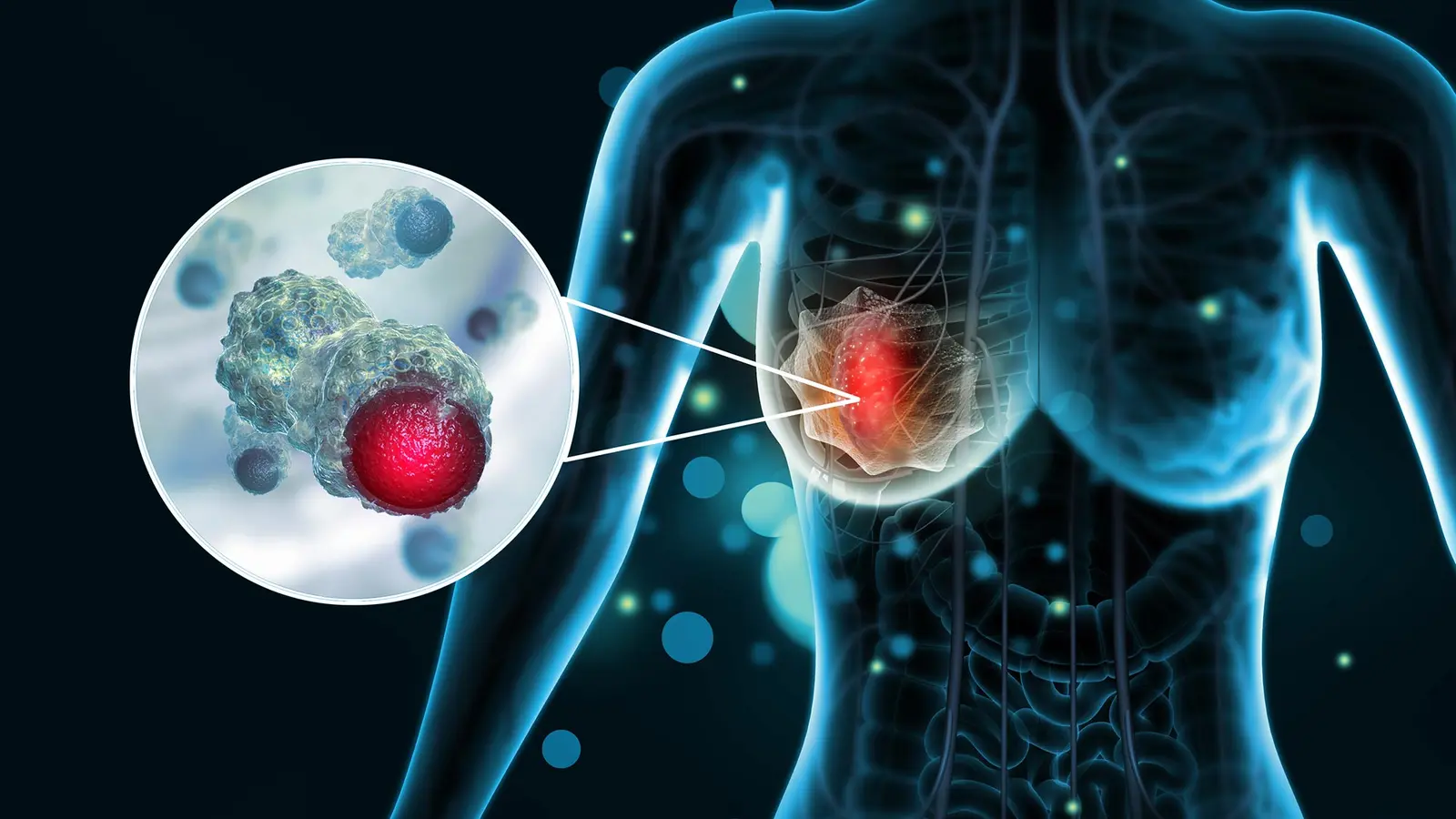
New research reveals a drug developed by scientists at Oregon Health & Science University may develop into a new treatment for an especially aggressive form of breast cancer. Credit: Oregon Health & Science University

From bench to bedside: next steps and challenges
Moving SU212 into human trials will require substantial resources: funding for manufacturing and toxicology studies, regulatory clearance from the U.S. Food and Drug Administration, and carefully designed Phase 1 trials to assess safety and dosing. Researchers must evaluate potential off-target effects, the durability of response, and how the molecule interacts with standard therapies such as chemotherapy or immunotherapy.
OHSU’s Sanjay V. Malhotra, Ph.D., who leads work in the Center for Experimental Therapeutics, emphasizes translation. He and colleagues intend to accelerate laboratory discoveries into clinical testing, but they acknowledge the regulatory and logistical hurdles ahead. Importantly, metabolic interactions mean SU212 could have different effects in patients with conditions like diabetes, so clinical design will need to consider metabolic status and biomarkers of ENO1 activity.
Scientific context: ENO1 and cancer metabolism
Enolase 1 is an enzyme in glycolysis, the fundamental pathway cells use to break down glucose for energy. Cancer cells often rewire metabolism to prefer glycolysis even when oxygen is available (the Warburg effect), making glycolytic enzymes attractive therapeutic targets. By prompting ENO1 degradation rather than simple inhibition, SU212 may deliver a stronger, longer-lasting hit to tumor metabolism.
That strategy—targeted degradation of a metabolic enzyme—echoes newer drug design trends, such as proteolysis-targeting chimeras (PROTACs), which aim to remove pathogenic proteins rather than merely blocking them. SU212’s exact molecular class and mechanism of degradation remain topics for further study and optimization.
Future prospects and clinical implications
If clinical trials validate safety and antitumor activity, SU212 could join combination regimens that include chemotherapy, targeted agents, or immunotherapies. Biomarker development will be critical: measuring ENO1 expression or metabolic signatures could help identify patients most likely to benefit. Long-term, drugs that exploit tumor metabolic vulnerabilities could shift treatment paradigms for aggressive cancers.
Expert Insight
"Targeting tumor metabolism is an increasingly promising avenue, and a molecule that induces degradation of ENO1 represents an elegant approach," says Dr. Elena Rivera, a medical oncologist unaffiliated with the study. "Early animal results are encouraging, but human trials will determine whether this strategy translates into meaningful clinical benefit, especially in diverse patient populations."

OHSU’s results are an important preclinical milestone. The coming months and years will determine whether SU212 can cross the translational gap and become a treatment option for patients facing one of the most challenging forms of breast cancer.

Leave a Comment
Comments (2)
Interesting, but is degradation of ENO1 safe long term? what about normal cells that need glycolysis, or ppl with diabetes... more data pls
Wow didnt expect a molecule to actually degrade ENO1, that could be huge for TNBC... hopeful but curious about safety and if it works in ppl