
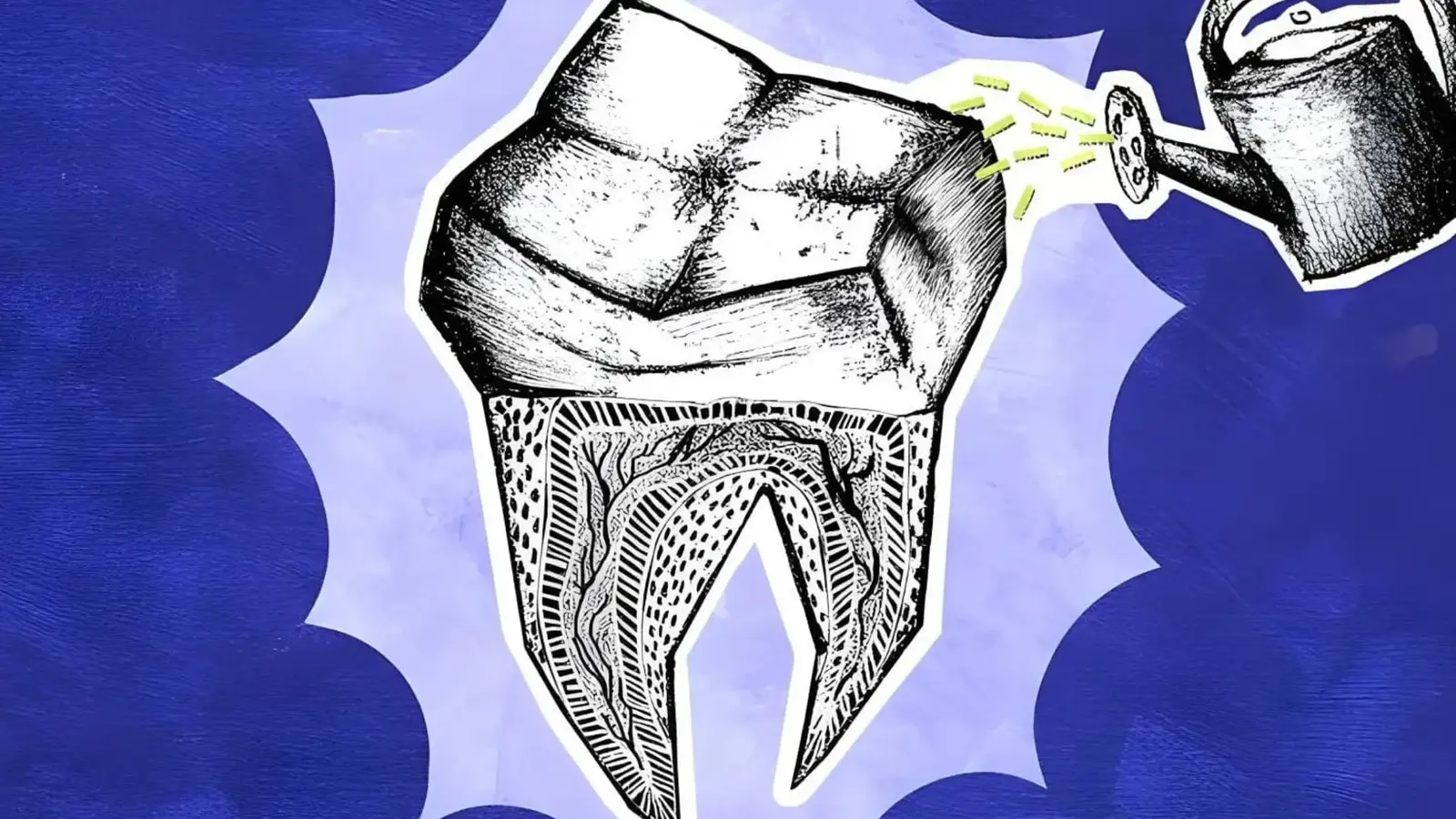
Imagine walking into a dental clinic and leaving with a new tooth grown from your own cells. It sounds like science fiction. Yet across labs worldwide, scientists are quietly stitching that future together—one stem cell, one signal, one scaffold at a time.
Dental decay and gum disease are more than local problems. They chip away at smiles and, as mounting evidence shows, at long‑term health: links to heart disease, respiratory infections and even Alzheimer’s have turned oral care into a systemic concern. Traditional fixes—fillings, crowns, implants—work, but imperfectly. They wear out. They don’t sense pressure like real teeth do. They can invite bacterial trouble of their own. People notice. Many avoid the dentist altogether; surveys suggest a large share of adults dread dental visits. So researchers ask a blunt question: what if the tooth could heal itself, or be replaced biologically?
That question has driven teams to reframe dentistry as regenerative medicine. They start with stem cells and developmental biology. They mimic the chemical cues that, during embryonic life, guide cells to become ameloblasts that lay down enamel, or odontoblasts that form dentin. In petri dishes, those cues can coax stem cells into the very cell types that build teeth, and when combined in three‑dimensional cultures, these cells can self‑organize into tooth‑like organoids that secrete enamel proteins.

Some researchers have taken inspiration from nature. Sharks continually replace their teeth. Kangaroos and elephants cycle their molars. Even pigs hide a useful quirk: their jaws harbor dormant tooth buds—undeveloped seeds for future teeth. By borrowing cells and blueprints from animals and pairing them with human tissue, scientists have demonstrated that tooth‑like structures can be grown in the lab and, in experimental settings, even develop inside a living jaw.
Pamela Yelick at Tufts used that pig biology cleverly. She collected enamel‑forming cells from unerupted pig tooth buds and paired them with human dentin‑forming cells. On engineered scaffolds designed to mimic a developing jaw, the mixed cell populations assembled into tooth‑shaped structures within months—growth rates comparable to natural pig teeth. The experiment proved a concept: the right cells plus the right environment can recreate dental architecture.
Other teams aim at a less dramatic but perhaps nearer‑term fix: alive, mineralizing fillings. Hannele Ruohola‑Baker and colleagues found that while ameloblasts—enamel‑making cells—disappear after a tooth erupts, stem cells persist and can be nudged by chemical signals into enamel‑ and dentin‑producing phenotypes. In lab cultures they produced organoids that release enamel proteins. The hope: deliver those proteins or engineered cells to a damaged tooth so it lays down fresh mineral—true biological repair instead of a synthetic patch.
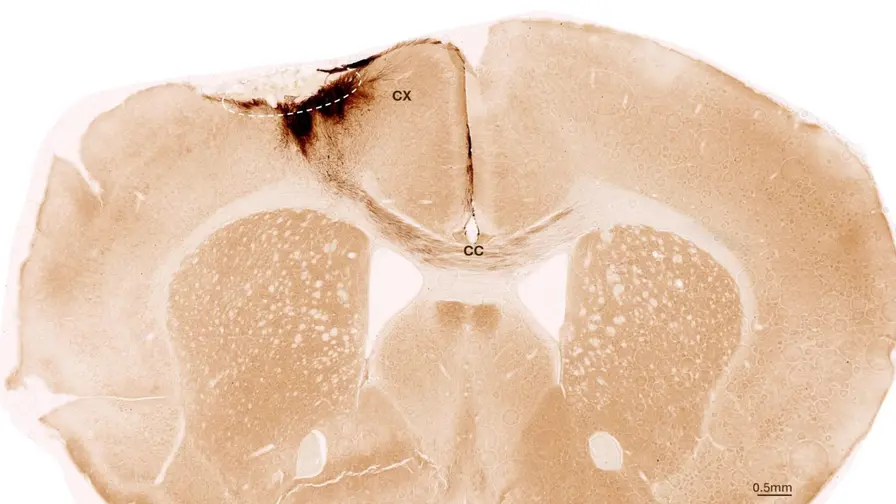
Why does that matter? Because a filling is a bandage. It patches a hole but doesn’t restore the tooth’s living structure or sensory feedback. Implants replace a tooth’s form, but not its nerves; they feel alien. And crowns and implants eventually need replacement. A biologically grown tooth could integrate with nerves and bone, sense pressure, adapt over time and, crucially, resist the cycle of repeat interventions.
There are practical hurdles. Lab‑grown teeth must be safe, predictable and affordable. Before human use, protocols need validation in primates and rigorous long‑term study. Scientists must ensure that bioengineered teeth won’t spur immune reactions, infection, or uncontrolled growth. The scaffolds that guide development need to withstand chewing forces while encouraging proper mineralization. And there are regulatory and ethical landscapes to navigate when animal cells or cross‑species methods are involved.

Still, the field is progressing. Teams at King’s College London are building organoids that could mature into functional tooth replacements, while other groups test ways to trigger a patient’s own cells to regenerate dentin or enamel on demand. Each success in a dish or animal model teaches something fundamental about how hard and soft tissues interact—knowledge that could ripple beyond dentistry into bone and organ regeneration.
The social dimension is striking. People don’t just want pain relief; they want dignity, the ability to chew, to speak, to smile without shame. That’s one reason why researchers hear calls from patients eager to be part of clinical trials—patients who view regenerative dentistry as hope rather than hype. Yet translating hope into routine care will require time, resources and careful clinical trials.
Think of dentistry in the coming decades as a spectrum rather than a binary: improved materials and smarter implants on one end, biologically active fillings and tissue‑engineering approaches in the middle, and fully grown, patient‑specific teeth on the far horizon. Each step reduces reliance on mechanical fixes and moves treatment toward restoration rather than repair.
The path from bench to chair is long. But every enamel protein discovered, every successful organoid, every animal study that yields a tooth‑like root brings that future closer. The mouth might soon be less a place for replacements and more a site for renewal—where biology, not only hardware, does the heavy lifting.

Leave a Comment
Comments (2)
Is this even true? sounds like sci fi, but what about immune rejection, cost, who pays and who gets prioritized? timelines feel kinda optimistic...
wow this blew my mind, teeth grown from cells? if real that's wild. Hope it's safe though, not some sketchy lab surprise, but sign me up for trials lol