

Imagine a world where the protein craze is the new smoking: everywhere you look, products promise muscle, recovery, and vitality. Too much of a good thing, researchers warn, can quietly tilt the balance from benefit to burden.
A sweeping review of more than 350 studies, led by Dudley Lamming and Bailey Knopf at the University of Wisconsin–Madison and published July 31 in Cell Press Blue, suggests that dialing down protein — or trimming specific amino acids inside it — can improve metabolic health and slow some cellular processes tied to aging. The caveat? This is not a one-size-fits-all prescription.
Why would eating less of a nutrient that fuels muscle be helpful? Short answer: context. Protein fuels growth. Growth is fantastic during childhood, pregnancy, recovery and heavy training. But for many modern adults who are largely sedentary, constant growth signaling can backfire. The body’s nutrient sensors interpret an abundance of amino acids as a cue to keep building, which may feed inflammation, insulin resistance, and other age-linked dysfunctions.
Some of the most compelling evidence comes from animals. Flies and mice fed lower-protein diets lived longer in several experiments, even when their overall calorie intake stayed the same or rose. Small human trials have mirrored parts of that picture: participants on lower-protein plans often shed fat, sharpened insulin sensitivity, and improved fasting glucose — sometimes while eating more calories.

Hormones help explain the paradox. When protein is scarce, the liver ramps up fibroblast growth factor 21 — FGF21 — a hormone that nudges metabolism toward higher energy expenditure, better blood-sugar control, and reduced inflammation. Mice engineered to have higher FGF21 live longer than their peers. Humans make more FGF21 on low-protein diets, but whether that hormone alone extends life in people is still unproven.
Inside each cell, two molecular sentinels respond to amino-acid levels. mTORC1 signals “plenty” and pushes growth and synthesis; GCN2 flips on when amino acids are low and helps cells adapt. Briefly dialing down growth signaling appears to let cells shift resources toward repair, cleanup and stress resistance. Over time, the review argues, reduced mTORC1 activity and bolstered stress defenses could underpin many of the longevity benefits seen in animals.
Not all amino acids behave the same. Methionine, isoleucine, leucine and valine stand out. In mouse studies, cutting back on specific amino acids sometimes mimicked the effects of broad protein restriction. One experiment showed that limiting valine improved metabolic markers, slowed signs of frailty, and raised male lifespan by roughly 23 percent. That’s striking — and it hints at the possibility that precision tweaks, not wholesale deprivation, might be the smarter route.
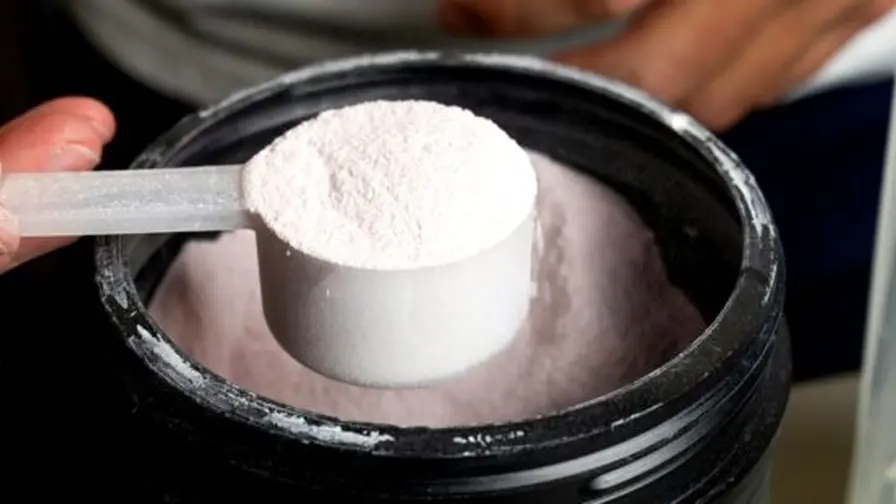
But before you toss your protein powder, consider who’s at the table. Older adults face sarcopenia: age-related muscle loss that threatens mobility and independence. Extra protein, paired with resistance exercise, helps preserve strength. Pregnant people, those healing from illness or surgery, and elite athletes also need more to meet physiological demand. In short, protein needs change with life stage and workload.
The tug-of-war between modern dietary trends and personalized nutrition is ongoing. U.S. guidelines recently nudged recommended intakes upward to 1.2–1.6 g/kg for many adults — higher than the older 0.8 g/kg baseline. Yet Lamming and colleagues argue we should personalize targets based on age and activity, not follow blanket advice that ignores sedentary lifestyles.
The takeaway is both simple and subtle. Protein remains essential. But more is not automatically better. For people who move little, a sustained high-protein diet may keep growth pathways humming when repair and resilience should be the priority. For active or older individuals, higher intake can be protective.
So where does that leave us? The evidence invites nuance: rethink protein marketing, tailor recommendations to real lives, and study whether targeted amino-acid adjustments can deliver benefits without harm. Will future diets favor precision amino-acid balancing over blanket protein boosts? Only time — and more human trials — will tell.

Leave a Comment
Comments (2)
never thought protein could be the new smoking lol. been slammed with post-gym shakes, now wondering if i should chill a bit. curious about specifics, timing, age
Wait, so eating less protein can help? Seems wild. Most studies are in mice tho — how much of this really applies to people, esp older adults or folks lifting heavy…