
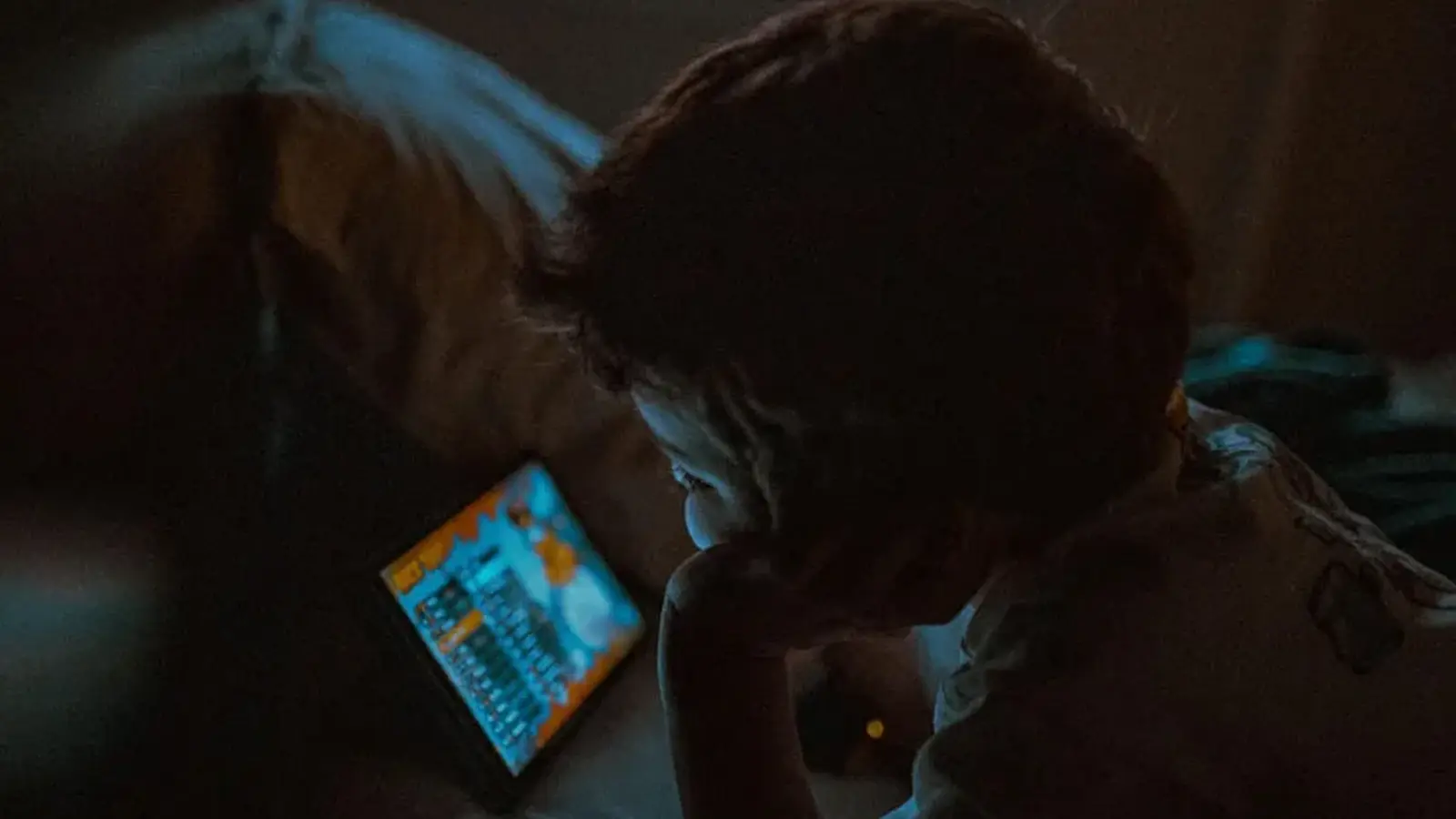
A smiling strawberry. A cheerful tune. Then a saw. A child keeps watching. Short, looped, and oddly mesmerizing — these are the new public enemies of young attention spans.
Researchers and analysts are sounding the alarm about a tide of low-quality, AI-generated videos aimed squarely at children. Known in industry slang as 'AI slop,' these are cheap, repetitive clips churned out to capture views and ad dollars. They show up everywhere: endless feeds on TikTok, autoplay on YouTube, and other child-facing corners of the web. What makes them dangerous isn't always explicit gore; it's the steady erosion of attention and the slow normalization of violent imagery hidden behind candy colors and silly characters.

Investigations by the Global Network on Extremism and Technology (GNET) and independent studies have flagged two worrying trends. First, the sheer volume of these clips can flood a child's feed within hours. One creator, using a handful of simple AI tools, can seed hundreds of variants that look different enough to game platform algorithms but similar enough to keep the same hooks in rotation. Second, the narrative content—often bizarre, quickly escalated stories of romance, betrayal, or family fights told by anthropomorphic fruit—packs disproportionate emotional charge for little viewers.
How does a cartoon apple teach cruelty? Through repetition and context. When playful visuals are paired with escalating aggression—shouting, threats, simulated injury—the viewer's developing brain learns new affective cues. Dopamine spikes reward continued scrolling. The term 'brain rot' has entered public discourse to describe the cognitive dulling that follows endless, highly stimulating content consumption. It's not just a metaphor. Attention regulation, impulse control, and empathy are all shaped by what children see and how often they see it.

Worse still, there is a grotesque subgenre spreading beneath the more palatable clips: fruit-and-vegetable gore. Bright, cartoonish characters are depicted with axes, saws, and firearms. Scenes escalate to dismemberment, blood splatter, and theatrical torture, all rendered in a deceptively childlike aesthetic. The contrast between cutesy design and brutal actions blunts emotional response. Over time, repeated exposure can desensitize young viewers to violence and weaken the boundary between play and harm.

Some of these videos borrow visual cues from real-world violent actors. Analysts say the aesthetic draw of cartel execution videos and extremist propaganda has been mimicked and sanitized into short animations that evade content filters. Platforms ban explicit violent content, yet the innocent veneer of these animations is often enough to slip past automated moderation. The result is a stealthy vector by which harmful imagery and tropes can reach millions of children without clear intent from their caregivers.
Cheap, accessible tools are part of the problem. Services like PixVerse, VeoE.ai, Media.io, and Sora put animation, voice synthesis, and rapid editing into the hands of anyone with a basic script. What once required studios and budgets can now be scaled in bulk. The economic incentive is straightforward: low production cost, high engagement, predictable ad revenue. For creators and bad actors alike, that math is irresistible.
What should parents, educators, and platforms do? There is no single fix. Better moderation models help, but they must be paired with design changes that discourage autoplay loops and algorithmic amplification of micro-content aimed at children. Media literacy for families is crucial: know what apps your child uses, watch a few videos together, and place boundaries around endless scrolling. Policymakers can also push for clearer labeling and enforcement of age-appropriate content safeguards.

At stake is more than fleeting attention: it's the way young minds learn emotion, story, and morality from the pixels they consume. Who will step up to guard the playgrounds of tomorrow's imagination?

Leave a Comment
Comments
No comments yet. Be the first.