
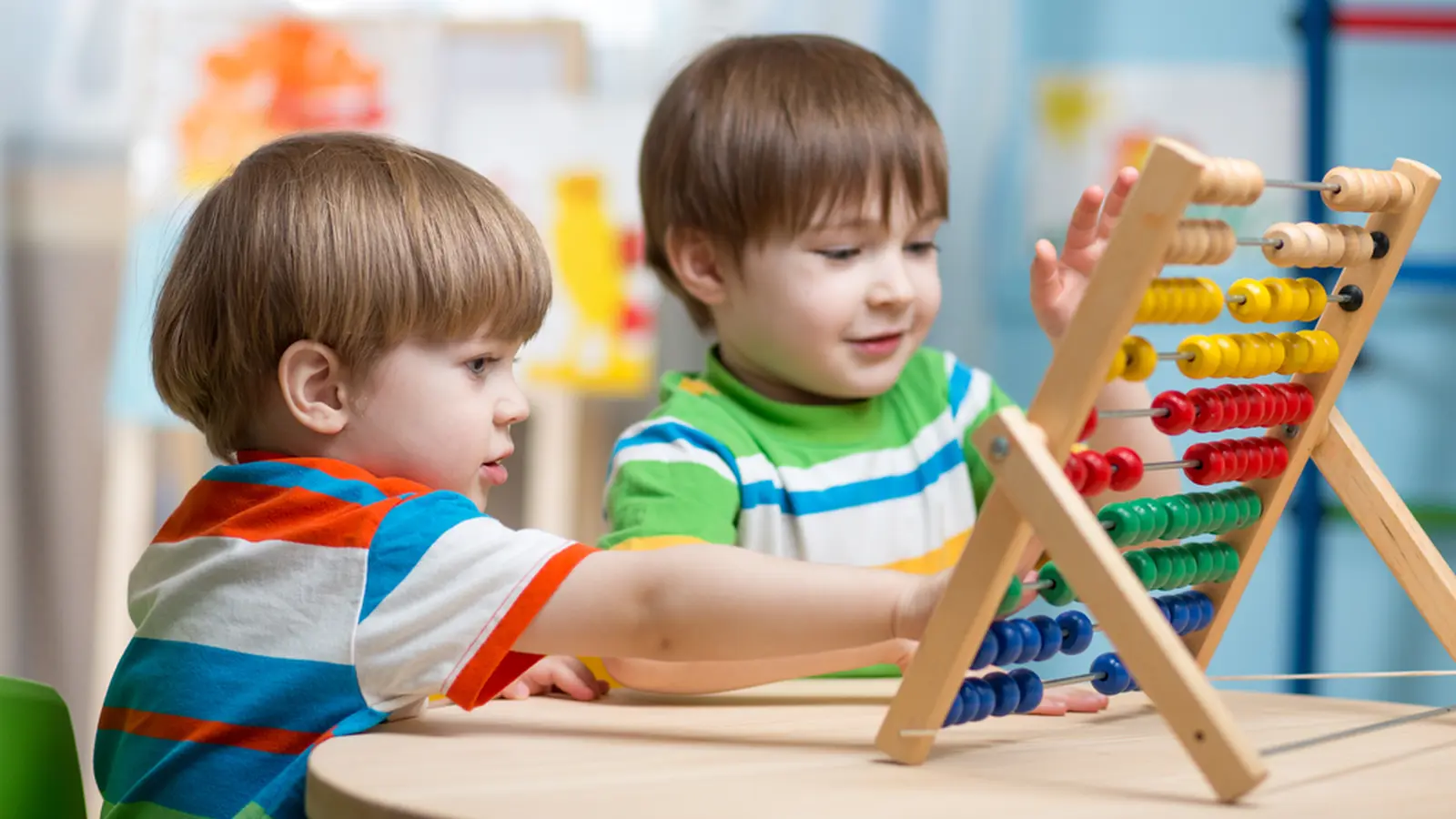
Imagine a preschool classroom as a small ship setting a course. Some captains know how to steer. Others simply keep the child afloat. Years later, those early navigational choices show up on report cards and reading tests.
Researchers tracing students in Miami-Dade County found that children who attended public school pre-K tended to outperform peers who spent age four in family-based care — not just in kindergarten or elementary school, but well into adolescence. This wasn't a tiny nudge. The study tracked tens of thousands of students and detected measurable differences in grades and standardized-test results that persisted as students moved through the system.
The broader project at Florida International University followed roughly 400,000 public-school records over two decades, beginning with third-grade data and extending through high school. From that massive dataset, a focused analysis of 27,814 children from low-income families compared three common early settings: public school pre-K, center-based childcare, and family-based childcare. The sample was predominantly Latino (about 60%) with roughly a third identifying as Black.
Why did public pre-K seem to matter? One of the clearest distinguishing features was teacher qualification. Public pre-K teachers in this comparison were required to hold college degrees. Many center- and family-based programs met basic licensing rules, but they did not all operate under the same professional standards. That difference — better-trained adults in the classroom — appears to translate into stronger long-term outcomes.

Charles Bleiker, an associate professor involved in the research, frames it bluntly: training matters. When teachers understand child development, classroom management, and age-appropriate instruction, children experience fewer wasted hours and more purposeful learning. Conversely, children who spend formative time watching videos, being shuffled between caregivers, or receiving limited stimulation can arrive at kindergarten behind on both academic and social markers.
But this research points beyond test scores. Preschool is where routines are taught — how to listen, take turns, follow a schedule, calm down after frustration, and collaborate with peers. These are not trivial. They are the scaffolding that allows academic skills to flourish. A classroom that intentionally builds routines and interactions primes children for the demands of formal schooling in ways a mere babysitting arrangement cannot.
It would be a mistake to read this study as a call to shutter private centers or family providers. The lesson, according to the researchers, is more practical: identify what effective public pre-K classrooms do and spread those practices. That could mean raising expectations for teacher preparation across settings, adopting stronger curricula, and emphasizing meaningful adult–child interactions rather than passive supervision.
Bleiker and colleagues are already using these insights to design interventions — from early numeracy games that fit into everyday play to curriculum tweaks that encourage richer teacher-child exchanges. Small, intentional changes can make a classroom more stimulating without requiring a complete overhaul.
For parents, choosing a preschool often boils down to program-level details. Stability matters. Ask how long teachers typically stay at the center. Frequent turnover can disrupt attachments and learning. Visit classrooms. Watch how staff engage children when they struggle. Ask for the daily schedule and listen for evidence of consistent routines. Use local resources, such as Early Learning Coalitions, to compare program quality. And talk with other families; nothing replaces firsthand impressions of whether children seem engaged and supported.
At the end of the day, the most revealing indicator is the child. If a little one appears unhappy, withdrawn, or simply not progressing, that’s a signal worth acting on. After all, the classroom that sparks curiosity at age four can still be steering a teenager toward opportunity years later.


Leave a Comment
Comments
No comments yet. Be the first.