
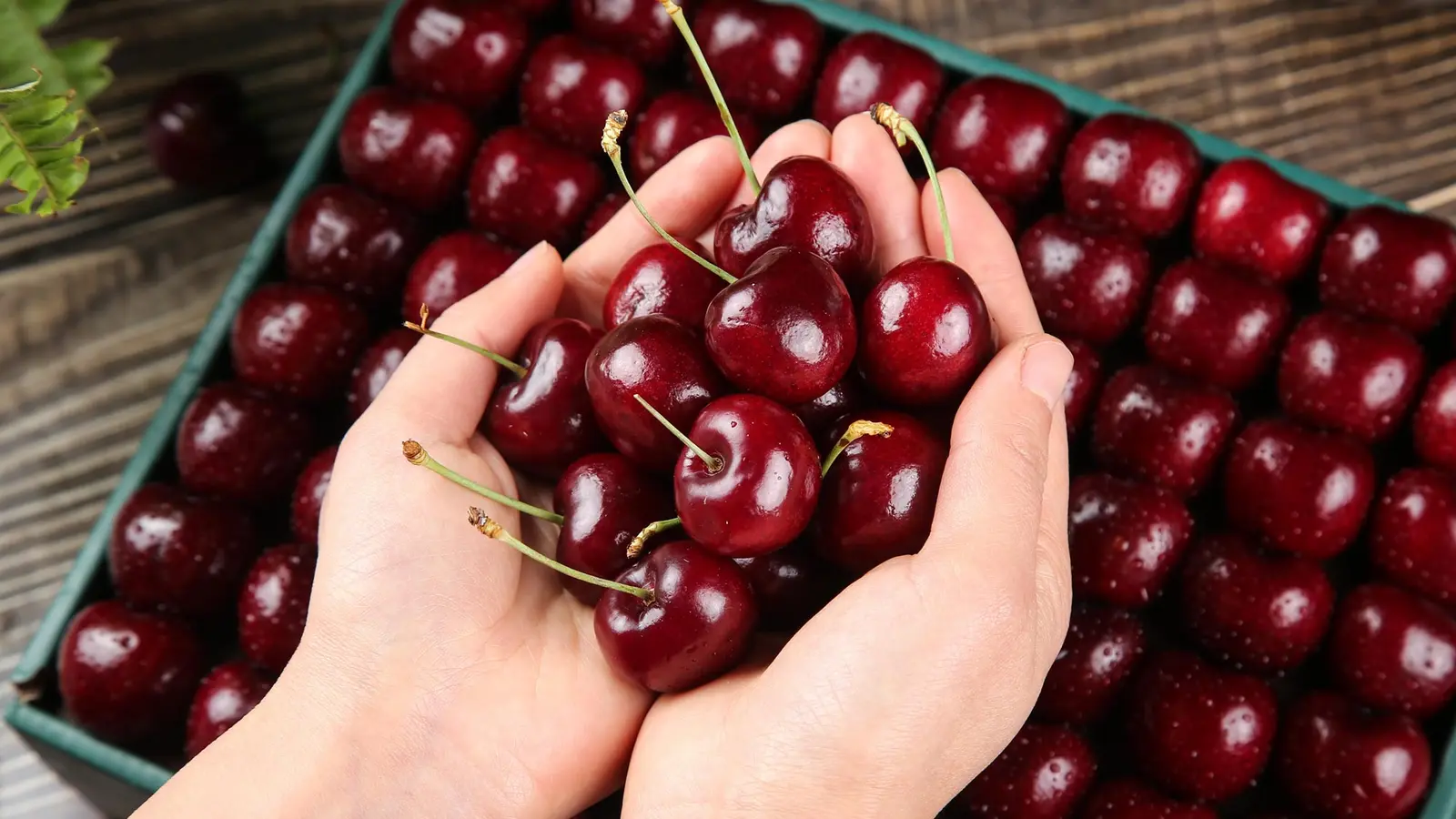
Could the deep red stain on a summer fruit point to new ways of fighting one of the toughest breast cancers? Researchers at Texas A&M have found that the pigments which give dark sweet cherries their color, called anthocyanins, alter how triple-negative breast cancer behaves in mice—slowing tumor growth, reducing spread to multiple organs, and shifting gene activity linked to treatment resistance.
Triple-negative breast cancer is a different beast. It lacks the usual molecular beacons—estrogen and progesterone receptors and HER2—that many targeted therapies rely on. That absence leaves fewer drug options and a greater likelihood that the disease will travel beyond the breast to lungs, brain, and other organs. No wonder scientists are hunting for complementary strategies that can blunt its aggressiveness.
In this study the team tested anthocyanin-rich extracts from dark sweet cherries in several ways. Some mice received the extract before tumors were implanted. Others were treated with the chemotherapy drug doxorubicin after tumors developed. A final group received both the cherry-derived compounds and chemotherapy. The idea was twofold: see if anthocyanins act as a preventive agent, and check whether they can boost standard chemo.
Results were striking in their clarity. Mice given anthocyanins prior to tumor implantation developed tumors more slowly and showed no obvious side effects—their weights continued to rise normally. By contrast, mice receiving only doxorubicin lost weight and showed delayed tumor response. Animals that received the combination of anthocyanins plus chemotherapy saw tumors slow earlier while maintaining body weight.

Across the groups, anthocyanin treatment reduced metastasis, particularly to the lungs, and dialed down the activity of genes tied to metastasis and therapy resistance.
Those gene-expression changes offer a window into mechanism. Tumors from treated mice showed altered activity in pathways that govern cell migration, survival under stress, and resistance to drugs. In other words, the cherry pigments appeared to flip molecular switches that make cancer cells less able to spread and less able to shrug off therapy.

Pathology gave the molecular story a physical context. Veterinary pathologist Dr. Lauren Stranahan examined tumor tissue under the microscope, measuring cell division rates and spotting areas where rapidly growing tumors had outstripped their blood supply, producing pockets of necrosis. She also mapped immune cell presence, including T lymphocytes, because whether immune cells infiltrate a tumor can be a big clue to how the disease will behave and respond to treatments.
Some tumors were fast-dividing, some showed more necrosis, and the immune landscapes varied between animals. Still, the overall pattern suggested that anthocyanins influenced both cancer cell behavior and the tumor microenvironment—two fronts that are increasingly seen as crucial to stopping metastasis.
There is a broader lesson here about cancer research itself. Single bullets rarely do the job. Combining agents that act on different biological pathways—in this case, a plant-derived compound with a conventional chemotherapy—may yield gains that neither could achieve alone. The study’s authors highlight that diet-derived molecules like anthocyanins can target processes not fully addressed by current drugs, expanding the tactical options available to researchers.
Importantly, these are preclinical results. The work shows promise, but mice are not humans. Questions remain about how anthocyanins are absorbed, how they behave in human bodies, safe dosing ranges, and interactions with established therapies. Clinical trials will be needed before anyone suggests dark sweet cherries as a medical treatment. Still, the findings point researchers toward molecular pathways that could be leveraged in future therapies.
The project also shows the value of interdisciplinary collaboration. Food scientists, basic researchers, veterinary pathologists, and clinicians all contributed perspectives that strengthened the study’s design and interpretation. As Dr. Stranahan noted, bringing different skill sets into one room improves how complex diseases are evaluated and, ultimately, how new ideas move from lab bench to bedside.
Finally, the team dedicated their publication to the memory of Burdette Jerome "BJ" Thurlby, whose support for cherry research helped make this work possible—a reminder that science often advances through a mix of curiosity, teamwork, and community backing.
If pigments from a common fruit can tune down the spread of a deadly cancer in mice, the find is worth following. The next steps will test safety, pharmacology, and whether the molecular signals observed translate into human benefit—questions that will keep researchers busy for years to come.

Leave a Comment
Comments (2)
Is the dose they'd need realistic from eating cherries? Seems pharmacology matters big time, not just 'eat more fruit' right? Skeptical but intrigued.
Wait, cherries slowing triple-negative in mice? Wow.. that's huge if true. Hope they test safety in humans, cuz mice often dont translate. Curious to see clinical trials.