
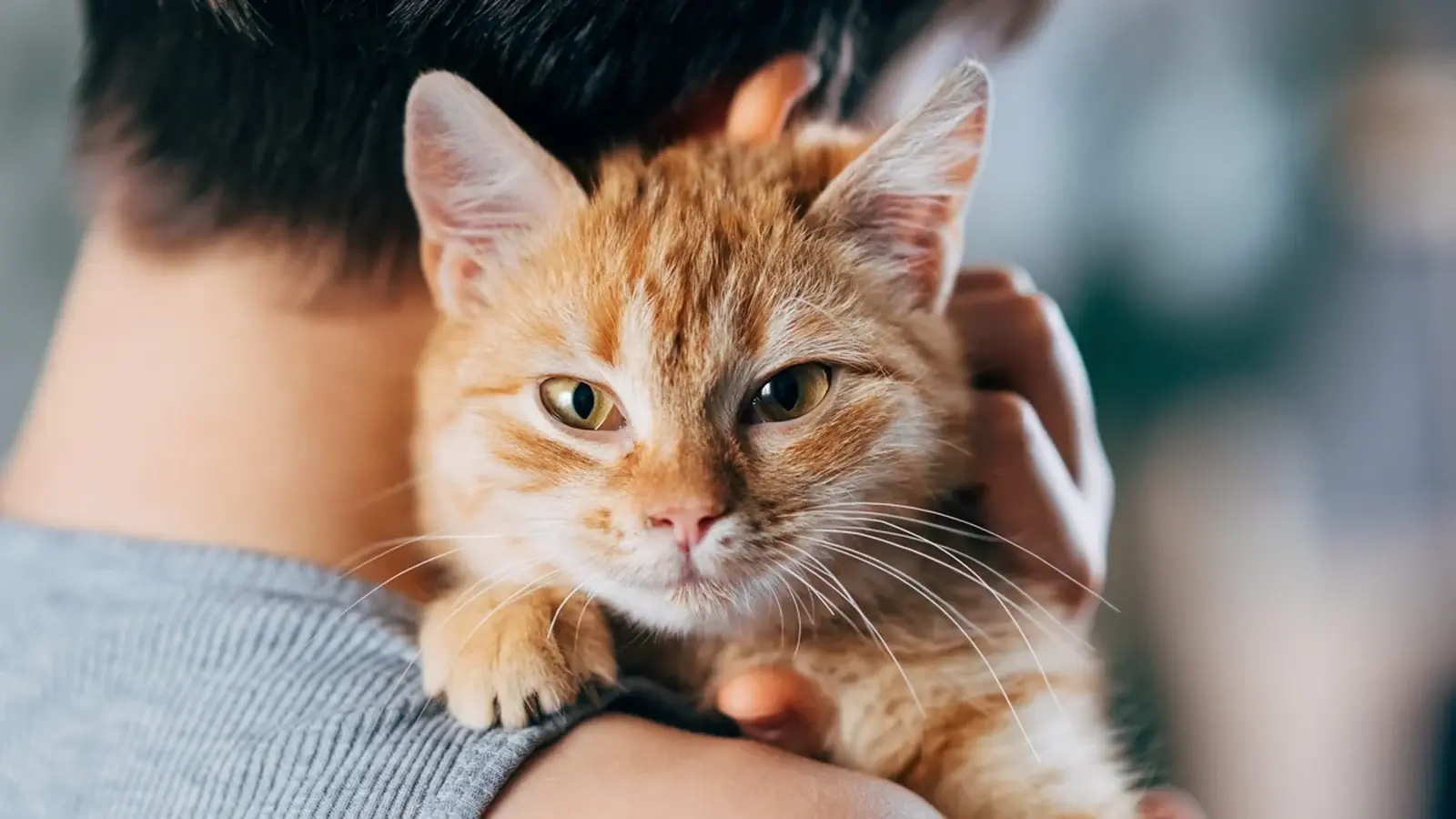
Imagine a living room where a preschooler and a tabby share the same sunbeam. Quiet. Ordinary. And, according to new research, possibly meaningful for the child’s mental health.
Spanish epidemiologists mining data from the long-running INMA (Environment and Childhood) cohort have raised an eyebrow at a surprising pattern: children who lived with cats around ages 4–5 showed slightly higher rates of both inward-facing struggles—like anxiety or withdrawal—and outward-facing behavior problems by ages 7–8. The finding comes from nearly 1,900 mother–child pairs across seven regions of Spain, and it was published in the World Journal of Pediatrics in late 2025.
Before alarm bells ring, two things matter. First, the effects were small. Second, this is observational work; it finds associations, not cause and effect. Still, the signal is curious enough to demand explanation.
The key finding: cat ownership at ages 4–5 was associated with small but measurable increases in both internalizing and externalizing behaviors by ages 7–8.
How did the researchers reach this conclusion? The INMA study tracked families from pregnancy onward, collecting medical records, sociodemographic data, and repeated questionnaires. Parents completed a behavioral screening for their 7–8-year-olds that covered emotional symptoms, conduct problems, hyperactivity, peer difficulties, and prosocial behavior. About one in four families in the sample always had a pet, most commonly a dog or a cat.

The cohorts included in this research.
Patterns emerged when ownership was parsed by animal type and the child’s age. Cats present in the household at ages 4–5 correlated with higher scores on internalizing and externalizing measures later in childhood. By contrast, so-called “other” pets—hamsters, rabbits, reptiles and the like—were linked to slightly lower scores on those same scales when they were present in early life. Dogs and birds did not show clear, consistent associations.
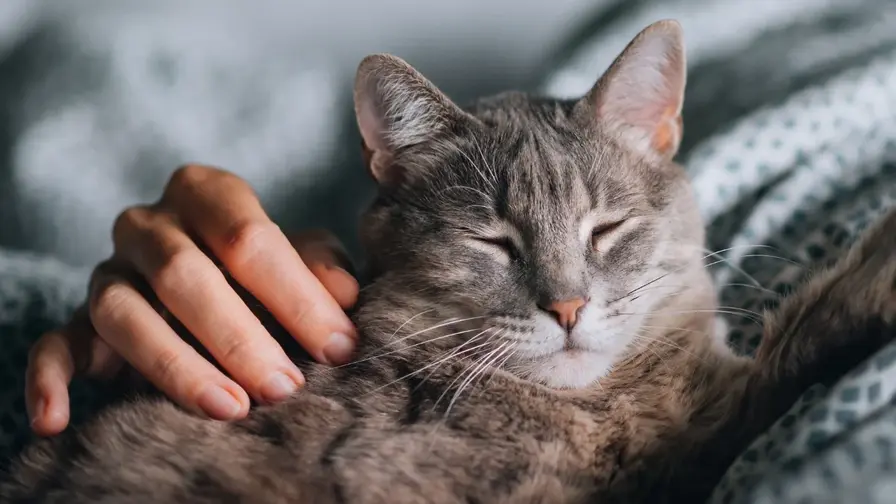
Why might a cat, of all animals, show this link? The researchers offer several hypotheses, and they read like pieces of a puzzle rather than a neat picture. One idea points to attachment. Human emotional bonds keep evolving; they might not solidify into the kinds of relationship benefits a pet can confer until adolescence or beyond. Another angle concerns behavior: cats frequently display more aloof or avoidant interaction styles than dogs. They do not coax a child outdoors for a run or a game of fetch, fewer shared activities that can promote social skills.
There is also the question of selection. Families choose pets for reasons that may themselves relate to a child’s needs or temperament. Lower-maintenance animals like cats might be favored in households where parents already perceive a child has behavioral challenges. Because the study is observational, disentangling choice from effect proves difficult.
The researchers' adjusted results plot the association between pet ownership and children's mental health. The observed associations of owning a cat at age 4-5 or having an "other" pet were small and fleeting.
Then comes biology. Toxoplasma gondii, a parasite carried by some cats, has been linked in other studies to subtle shifts in cognition and behavior. It affects a substantial portion of the global population, and while its role here is speculative, the authors acknowledge it as a plausible contributor worth further scrutiny.
Not all pets were associated with harm. The modest protective signal tied to small mammals and reptiles suggests that some nontraditional companions—those often marketed as “children’s pets”—might foster responsibility and routine without the complex social dynamics of larger pets. Or perhaps the simpler caregiving tasks associated with those animals encourage a different kind of early social learning.
Regardless of the mechanism, the takeaway is nuanced. The observed associations were small and transient. They do not translate into a recommendation to avoid cats. Rather, they invite deeper questions: When do pets help a child thrive? Which species and what timing matter most? How do family dynamics and preexisting conditions shape that effect?
Scientists and parents alike will need targeted follow-up studies—ideally randomized or with richer behavioral and biological measures—to move from correlation to clarity. In the meantime, choosing a pet remains a personal decision, one that blends practicalities, temperament, and yes, the soft comfort of a purring companion.

Leave a Comment
Comments (2)
I babysat kids around cats, no obvious issues but families often did less outdoor play. if that's selection bias tho, the link makes sense, need better studies, maybe blood tests for toxo?
is this even true? cats linked to kid anxiety... the effect sounds tiny, could be reverse causation or toxo, but worth looking into. not jumping to conclusions