
3 Minutes
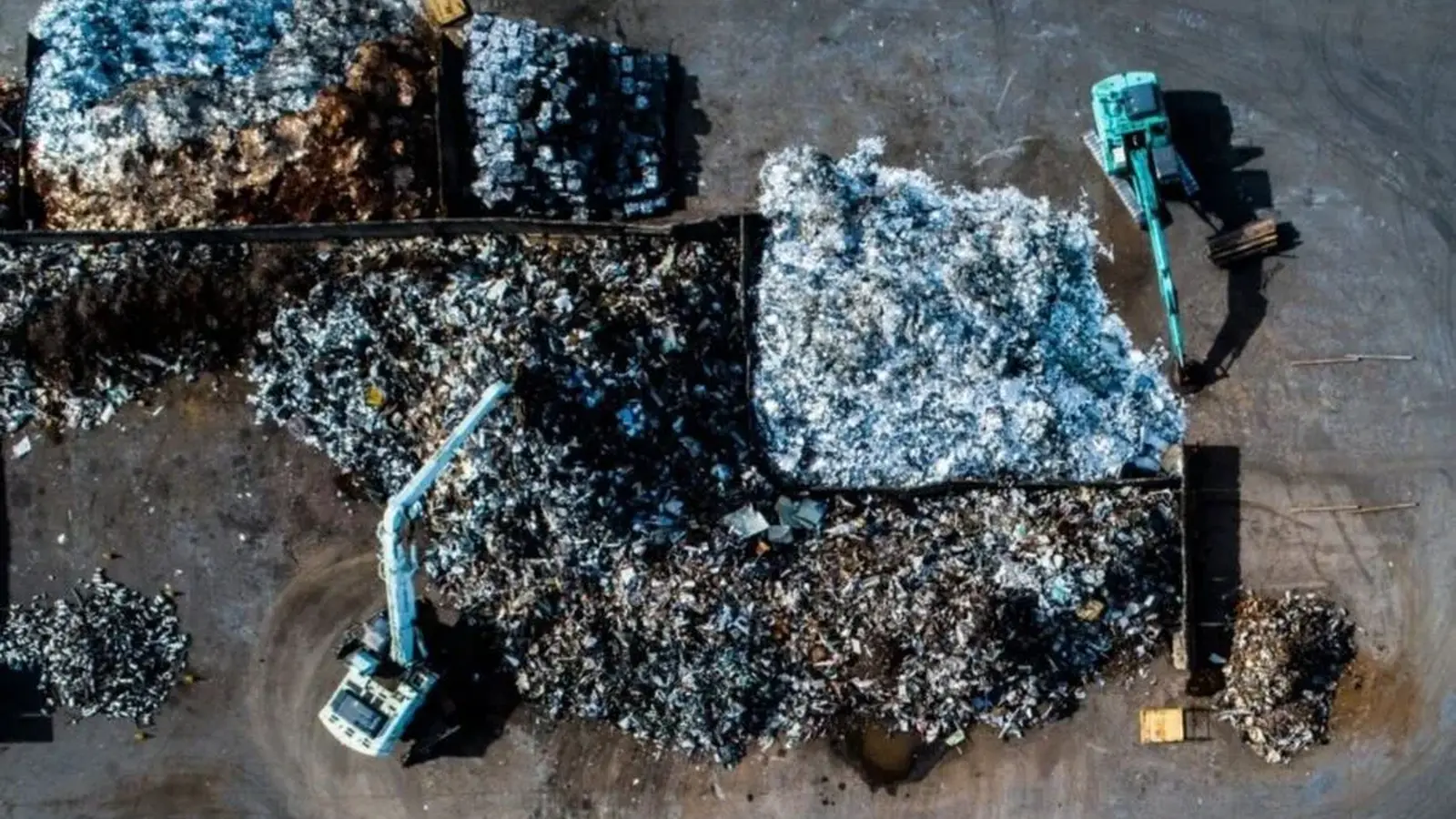
Picture a shipping yard stacked not with crates but with dead servers—an ocean of metal, plastic and circuit boards waiting for a future that may never come. That's the image the Basel Action Network (BAN) report forces into view: the rapid build-out of AI infrastructure could produce millions of tonnes of electronic waste in the next decade.
BAN's analysis projects that AI data-center capacity could climb to roughly 219 gigawatts by 2030, and that the infrastructure needed to support that growth would generate between 8.6 and 13.1 million tonnes of e-waste per year. The group uses a working estimate that each gigawatt of capacity corresponds to about 70,000 tonnes of discarded electronics. Scale that up and the numbers become awkwardly tangible—enough hardware to fill millions of shipping containers.
Jim Puckett, executive director of BAN, warns that AI's appetite will push many existing devices into obsolescence faster than they were designed to be retired. His organization's longer-term estimate paints a stark picture: by 2050 the world could be producing around 211 million tonnes of e-waste annually—roughly three times today's level—with 15 to 20 percent of that increase linked to AI systems and their ripple effects.
And BAN isn't counting only GPUs and servers. The report deliberately includes the full stack: power distribution units, cooling systems, uninterruptible power supplies, networking gear, and even consumer electronics that may be prematurely replaced because of AI-driven change. The team calls this broad consequence the 'AI waste spillover'—a cascade that reaches far beyond data centers into telecom infrastructure and personal devices.
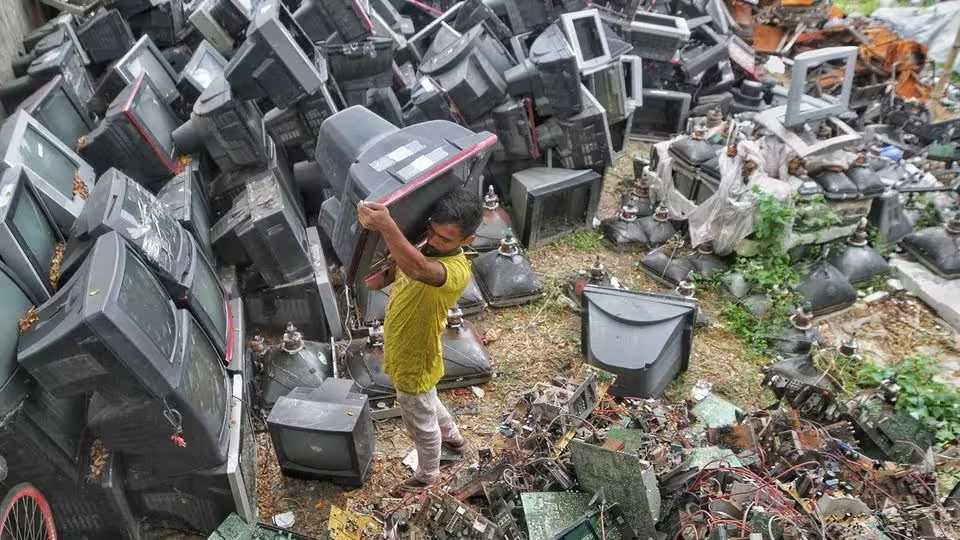
One of the report's key assumptions is rapid hardware turnover. Many AI support systems will be swapped out every two to five years, not because they fail but because new performance demands, energy-efficiency improvements, and competitive upgrades render older kits irrelevant. Those units are rarely engineered for long-term repair or reuse. The result is a built-in churn that feeds global waste streams.
The environmental stakes are not abstract. Electronic equipment can contain toxic metals and hazardous compounds. Yet less than a quarter of the roughly 68.3 million tonnes of e-waste produced annually today enters formal recycling channels. The rest often travels into informal economies where burning, acid baths and uncontrolled dismantling release pollutants into air, soil and water, and put vulnerable communities—children among them—at direct risk.
There’s also an ugly economics to it. Precious metals inside discarded boards and cables create incentives for illegal smuggling and unsafe recycling. Wealthier nations continue to export hazardous waste to poorer countries, a practice that the Basel Convention aims to limit. Notably, the United States has not fully joined that regime, and inspections still show industrialized nations shipping e-waste abroad so cheaper labor can extract value outside regulated systems.
Designing for repair, reuse and responsible recycling can't wait.
So what now? The report's imperative is blunt: governments and tech companies must act before AI's expansion makes the e-waste problem far worse. That means policy that mandates circular design, extended producer responsibility, meaningful repairability standards, and investment in safe, formal recycling capacity in regions that today shoulder the burden informally.
AI promises powerful advances. It also threatens to amplify an already out-of-control trash stream unless planning, regulation and industry practices change in time to keep devices—and their toxic legacies—out of vulnerable communities.


Leave a Comment
Comments
No comments yet. Be the first.