
3 Minutes
New evidence from Toda Cave
Archaeological excavations in southern Uzbekistan have produced plant and tool evidence indicating that people in Central Asia were harvesting wild barley with sickle-like tools at least 9,200 years ago. This discovery extends the behavioural and cultural precursors to agriculture far beyond the traditionally cited Fertile Crescent and suggests that early steps toward food production were geographically more widespread than previously recognized.
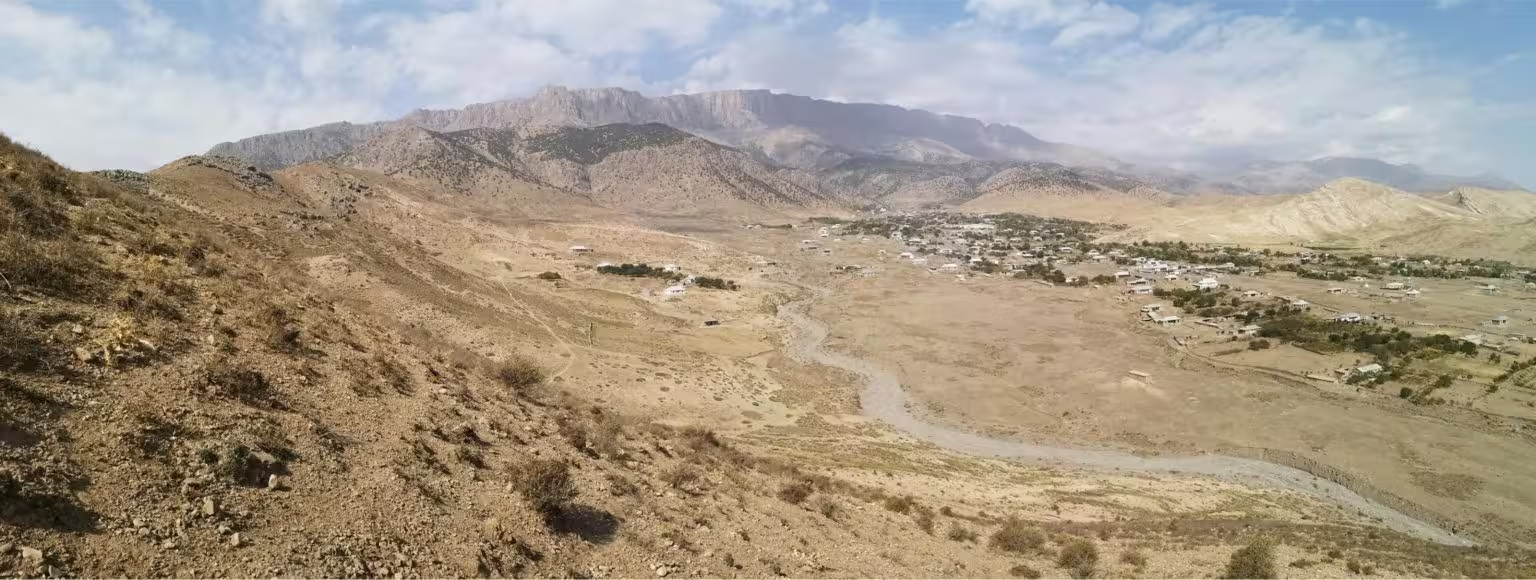
The view of the Surkhandarya Valley, where Toda Cave is located in southern Uzbekistan. Credit: Robert Spengler
Excavation methods and archaeobotanical analysis
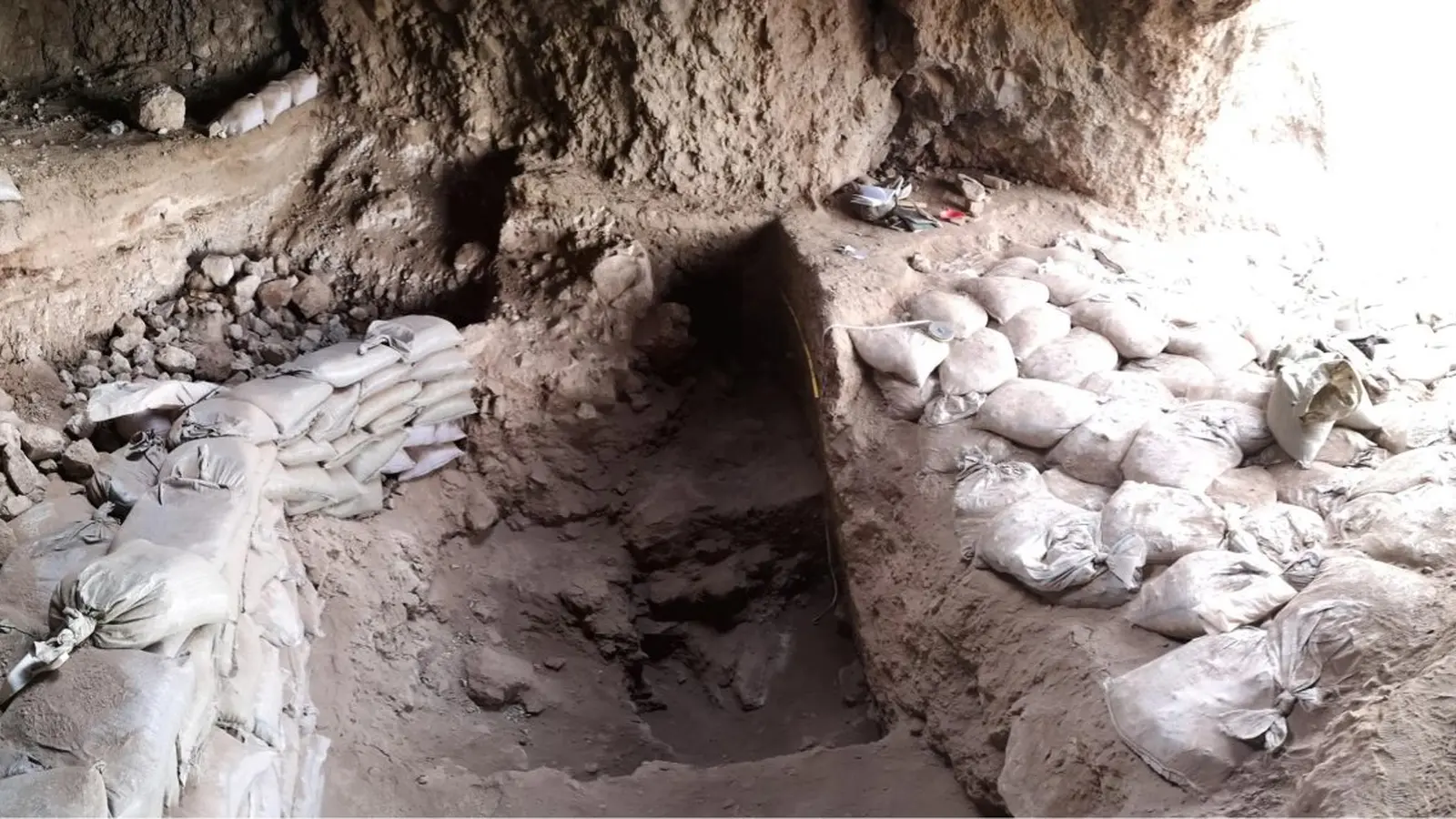
An international team led by Xinying Zhou (Institute of Vertebrate Paleontology and Paleoanthropology, Beijing) and coordinated locally by Farhad Maksudov (Institute of Archaeology, Samarkand) conducted stratigraphic excavations in Toda Cave, located in the Surkhandarya Valley. From the cave's earliest layers archaeologists recovered stone implements, charcoal, and well-preserved plant macroremains.
Archaeobotanical study under Robert Spengler (Max Planck Institute of Geoanthropology) identified numerous wild barley remains alongside pistachio shells and apple seeds. Microscopic and use-wear examination of limestone blades and flakes showed patterns consistent with cutting grasses and cereals, comparable to wear found on tools associated with early harvesting and proto-agricultural activity elsewhere.
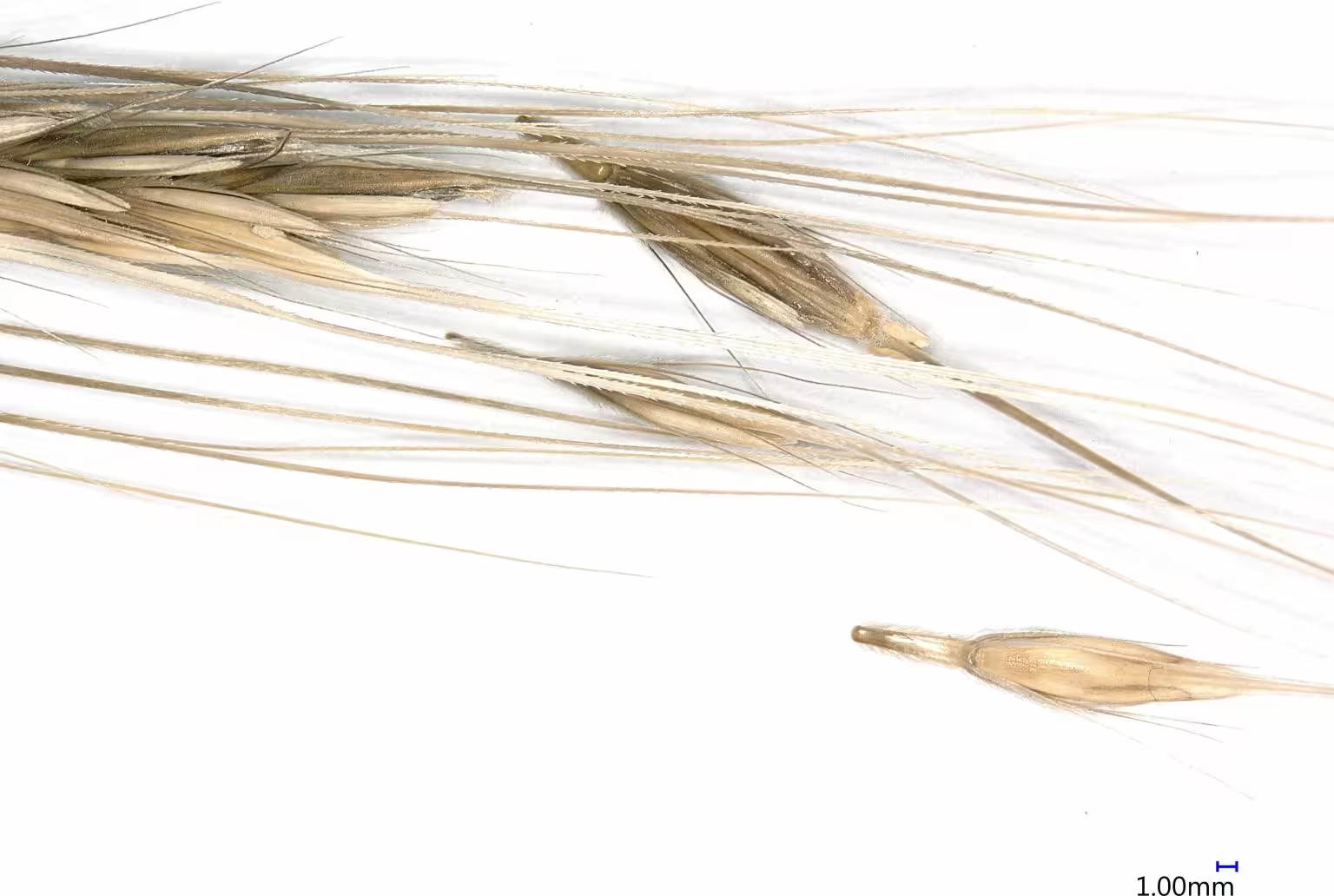
A modern specimen of wild barley with the individual grains naturally shattering off as they become ripe. Credit: Robert Spengler
Implications for the origins of agriculture
These findings challenge the simplified narrative that the domestication of staple cereals such as wheat and barley originated only within a single core area (the Fertile Crescent) in direct response to climate change or population pressure. Instead, the Toda Cave evidence supports a model in which foragers across multiple regions progressively developed harvesting, processing, and other cultural practices that eventually favored crop domestication.
Lead investigators emphasize caution: at present the barley remains appear morphologically wild, and it is not yet proven that they were under systematic cultivation. However, repeated harvesting with sickles and integration of wild plant resources into seasonal subsistence routines are behaviours that can precede and promote the transition to cultivation. As Xinying Zhou notes, the discovery "should change the way that scientists think about the transition from foraging to farming, as it shows how widespread the transitional behaviors were." Robert Spengler adds that "a growing body of research suggests domestication can proceed without deliberate, planned breeding — repeated human-plant interactions are often enough to initiate change."
Continued excavation, targeted flotation sampling, radiocarbon dating, and morphometric analysis of grain remains will test whether these assemblages represent harvested wild stands, experimental cultivation of wild barley, or early introductions of cultivated varieties from other regions. If cultivation can be demonstrated, it would indicate either an independent experiment in farming in Central Asia or much earlier eastward spread of agricultural traditions than currently assumed.
Expert Insight
Dr. Elena Rossi, a fictional archaeobotanist with experience in Neolithic plant use, comments: "The Toda Cave data are important because they document both the tools and the plants in context. Even if the barley is morphologically wild, ongoing human collection and processing create the selection pressures that eventually lead to domestication. This site fills a geographic and behavioural gap in our models of early agriculture."
Conclusion
The Toda Cave discoveries push back on narrow, single-origin views of early farming by documenting complex plant-use behaviour in Central Asia 9,200 years ago. Whether these remains reflect repeated harvesting of wild stands, incipient cultivation, or early cultural transmission from the Fertile Crescent remains to be resolved. Future multidisciplinary work — combining archaeobotany, lithic-use analysis, and secure radiocarbon chronology — will clarify the region's role in the global story of agriculture and domestication.

Leave a Comment
Comments
No comments yet. Be the first.