
3 Minutes
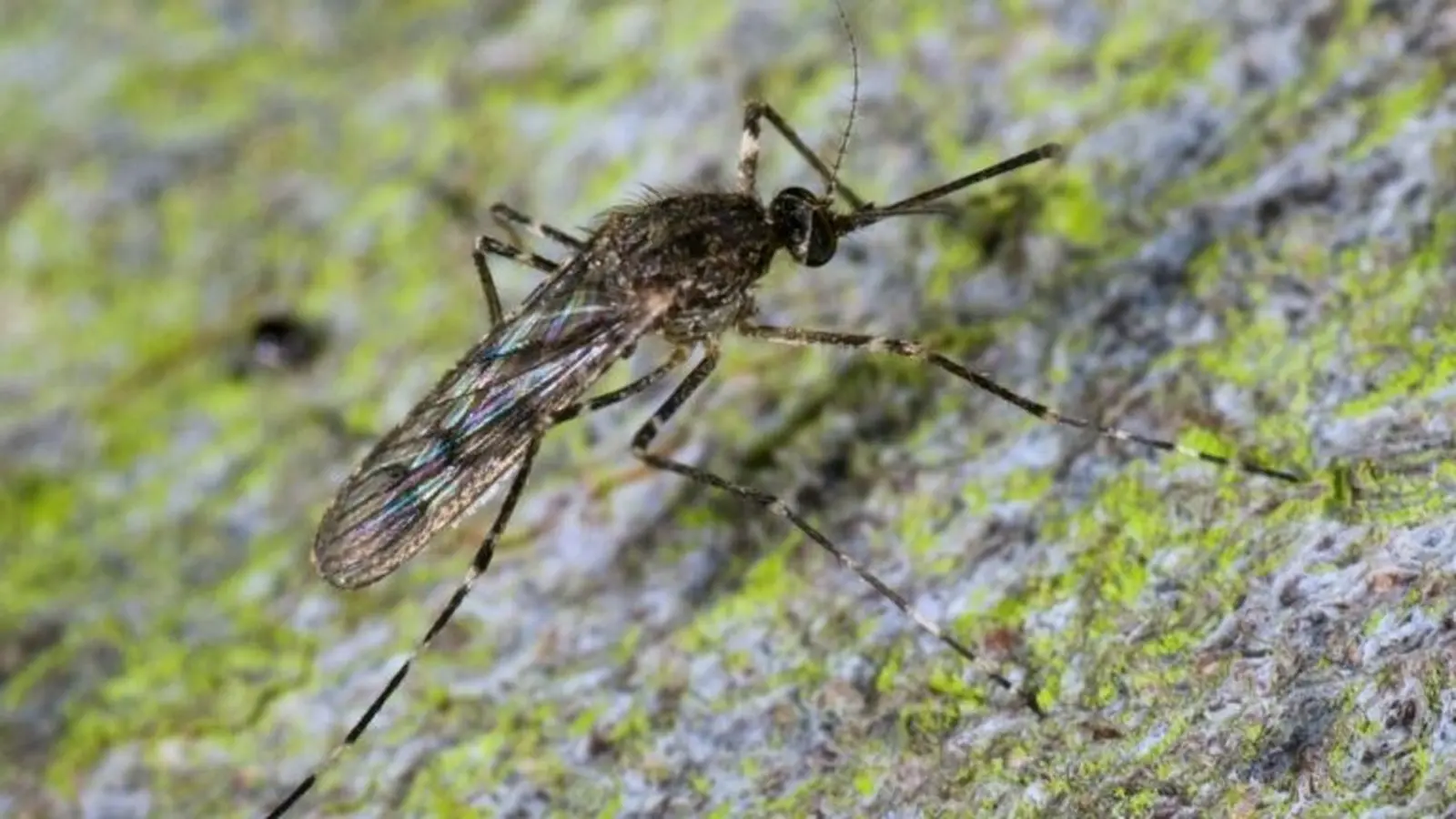
Iceland — long counted among the last mosquito-free places on Earth — has recorded wild mosquitoes for the first time. Entomologists say three specimens of Culiseta annulata were discovered north of Reykjavik, a find that raises questions about how insects are moving into previously inhospitable regions.
A surprising first: what was found and where
Researchers from the Natural Science Institute of Iceland identified two female and one male Culiseta annulata about 30 kilometres north of the capital. The insects were collected from "wine ropes" — strips of cloth soaked in a heated sugar-and-wine solution and hung outdoors to attract moths and other nectar-feeding insects. The discovery marks the first confirmed record of mosquitoes in Iceland's natural environment.
The institute's entomologist, Matthias Alfredsson, noted that while a single Aedes nigripes specimen was once recovered from an airplane at Keflavik airport many years ago, that specimen has since been lost and did not represent an established population.
How did mosquitoes arrive? Shipping, containers, or climate?
Alfredsson suggests the most likely route is unintentional transport: boats, shipping containers, or other cargo pathways that connect Iceland to mainland Europe. Mosquito eggs, larvae in standing water, or an adult hitching a ride could explain a sudden single-site appearance. Further field monitoring next spring will be necessary to determine whether these individuals were an isolated introduction or the beginning of establishment.

Alfredsson suspects the mosquitoes may have hitched in by boat.
Why this species matters — ecology and climate context
Culiseta annulata is notable for being one of the larger mosquito species and for tolerating colder climates. Scientists point out that some mosquitoes are well adapted to long, cold winters and exploit a variety of breeding habitats, from temporary pools to human-made containers. That adaptability increases their chance of persisting even in marginal environments.
Climate change — longer summers and milder winters — can create more favourable windows for survival and reproduction, and researchers are watching polar and subpolar regions as many species shift poleward. However, Alfredsson cautions that the species’ cold tolerance means the finding may reflect human transport rather than an immediate climate-driven expansion.
Implications and next steps for monitoring
- Increased surveillance around ports and transport hubs to detect further introductions.
- Seasonal surveys in spring and summer to look for larvae or breeding sites.
- Public guidance on removing standing water and reporting unusual insect sightings.
Whether Iceland will see a lasting mosquito population remains uncertain. For now, the discovery is a reminder of how connected ecosystems are becoming and why close monitoring at transport gateways is essential.


Leave a Comment
Comments
No comments yet. Be the first.