
7 Minutes
Imagine rewiring an immune system so it stops attacking the very cells the body needs to live. It sounds like science fiction. It is not. In a striking set of experiments at Stanford Medicine, researchers assembled a biomedical workaround that both restored insulin production and retrained the animals' immune defenses — and the results held for months without ongoing immunosuppression.

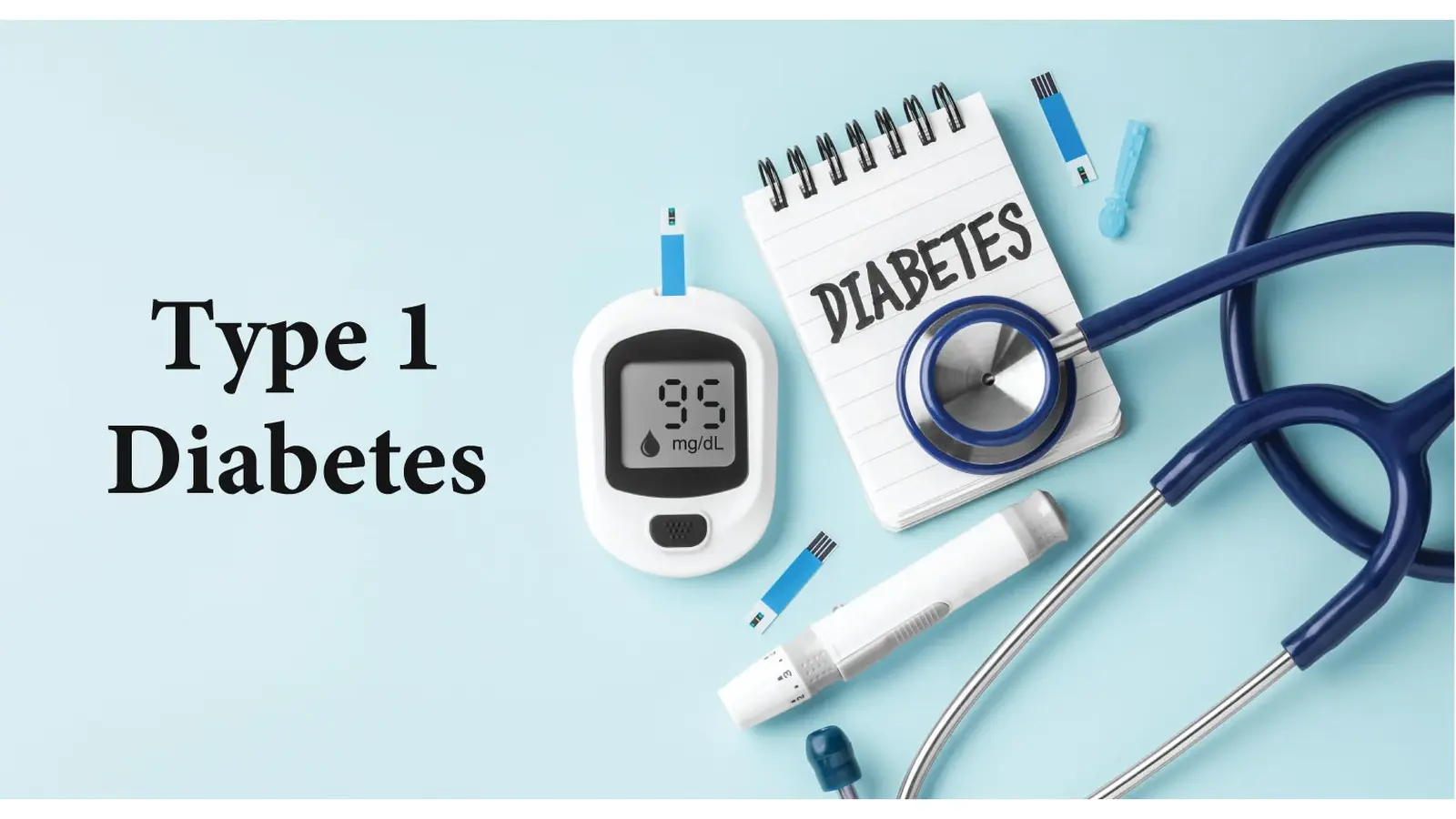
A new study from Stanford Medicine reports that combining blood stem cell and pancreatic islet cell transplants from immunologically mismatched donors can prevent or even reverse Type 1 diabetes in mice.
Type 1 diabetes arises when the immune system mistakenly identifies insulin-producing beta cells in the pancreatic islets as the enemy and destroys them. Current treatments manage blood glucose but do not cure the underlying autoimmune attack. The Stanford team approached the disease like an engineer: replace the missing parts, then rebuild the control system that caused the failure in the first place.
How the team engineered immune tolerance
The core strategy was deceptively simple in concept and demanding in execution: co-transplant donor blood stem cells and donor pancreatic islets into mice whose immune systems were primed to attack islet cells. The twist was that the donor and recipient were not immunologically matched — intentionally so. Instead of relying on lifelong drugs to suppress rejection, the researchers produced a hybrid immune system containing both donor-derived and recipient-derived immune cells. That hybrid state appears to accept the donated islet cells as friend rather than foe.
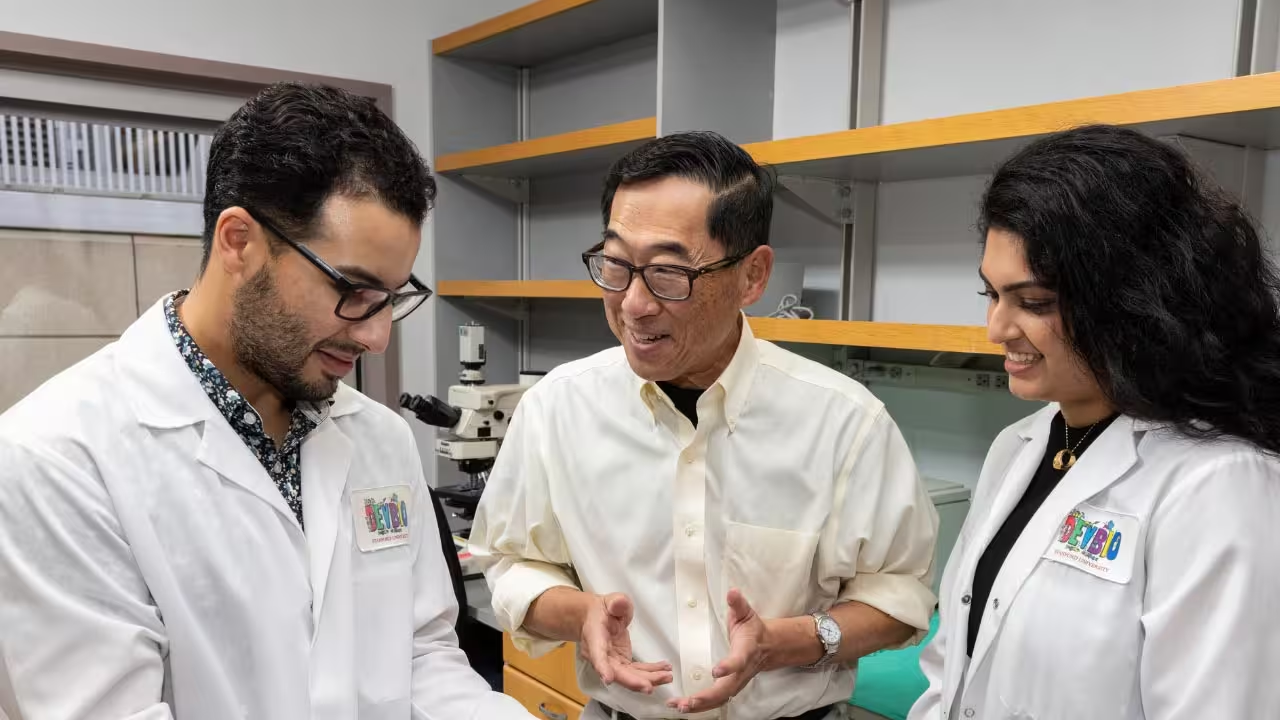
Stephan Ramos, Seung Kim, and Preksha Bhagchandani discuss their Type 1 diabetes research.
To get there the investigators used a gentler pre-transplant conditioning regimen than classic hematopoietic stem cell transplants used for cancer. The animals received immune-targeting antibodies and a low dose of radiation — enough to 'make room' in the marrow but not so much as to cause widespread toxicity — and, crucially, a drug already used in the clinic for autoimmune disease was added to the mix. That extra step made the difference in an autoimmune setting, where the host immune system is already predisposed to target beta cells.
In the study, this combination prevented Type 1 diabetes in 19 of 19 at-risk animals. It also cured 9 of 9 mice that had long-standing autoimmune diabetes, restoring insulin independence without the need for insulin injections or ongoing immunosuppressive therapy for the full six months of follow-up.
Methods in more detail
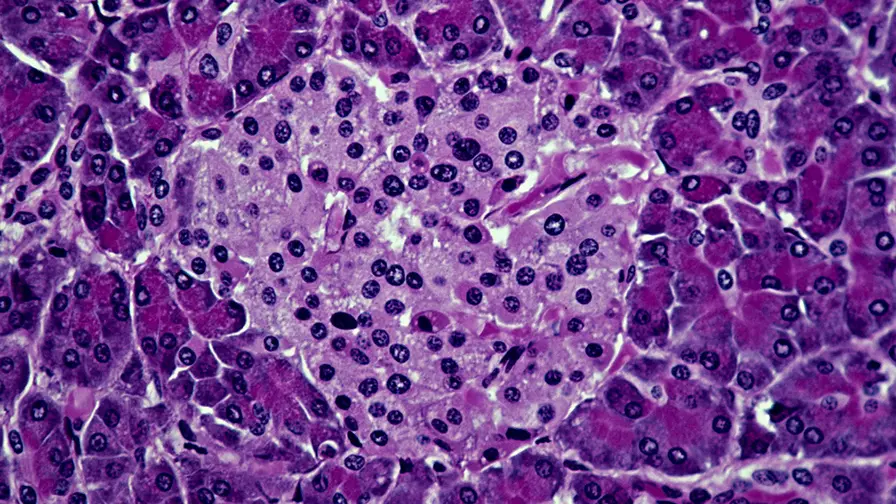
What the researchers call 'blood stem cells' are hematopoietic stem cells — the marrow-derived progenitors that create the white blood cells, red blood cells, and platelets circulating in blood. By transplanting these cells from a donor and allowing them to engraft alongside the recipient's native hematopoietic cells, the animals develop an immune system composed of mixed chimerism: a mosaic of donor-derived and recipient-derived immune cells.
Why mixed chimerism? Because it works as a form of immune retraining. The immune cells that grow from the donor stem cells learn to tolerate recipient tissues, while recipient immune populations are diminished enough to avoid immediate rejection of the graft. That balance eliminates the two-way hostility that typically causes graft-versus-host disease or graft rejection.
In practical terms the team followed a protocol built on earlier Stanford work. They used targeted antibodies to deplete or modulate specific immune subsets, applied low-dose radiation to reduce marrow competition, and added a clinically used autoimmune drug to tame the autoreactive cells. Then they transplanted blood stem cells and, from the same donor, pancreatic islet cells. Because the antibodies, drugs, and low-dose radiation used are already part of clinical practice for other transplants, the investigators see a feasible path toward human trials.
Outcomes and safety
Across experiments the animals tolerated the approach well. Importantly, no treated mice developed graft-versus-host disease, the severe complication that occurs when donor immune cells attack recipient organs. The donated islets engrafted and supplied physiologic insulin production, and the host immune system ceased its autoimmune assault. The joint effect was durable restoration of glycemic control without chronic immunosuppression.
Seung K. Kim, MD, PhD, described the significance bluntly: the animals developed a 'hybrid immune system' and the approach ‘could be transformative for people with Type 1 diabetes or other autoimmune diseases, as well as for those who need solid organ transplants.’
Roots in prior work and clinical context
The new work builds directly on a lineage of research at Stanford. The late Samuel Strober and colleagues previously demonstrated that partial bone marrow chimerism in humans could permit long-term acceptance of a kidney transplanted from the same donor, sometimes for decades without chronic immunosuppression. Judith Shizuru and others refined gentler conditioning regimens that minimize the toxic chemotherapy and high-dose radiation traditionally used for hematopoietic transplants.
Shizuru put it plainly: blood stem cell transplants could benefit a wide range of autoimmune diseases, but the treatment had to be made safe enough that patients with non-life-threatening but chronic illness would accept the risk. This study suggests a practical route to that safer threshold.

Judith Shizuru
Limitations and technical hurdles
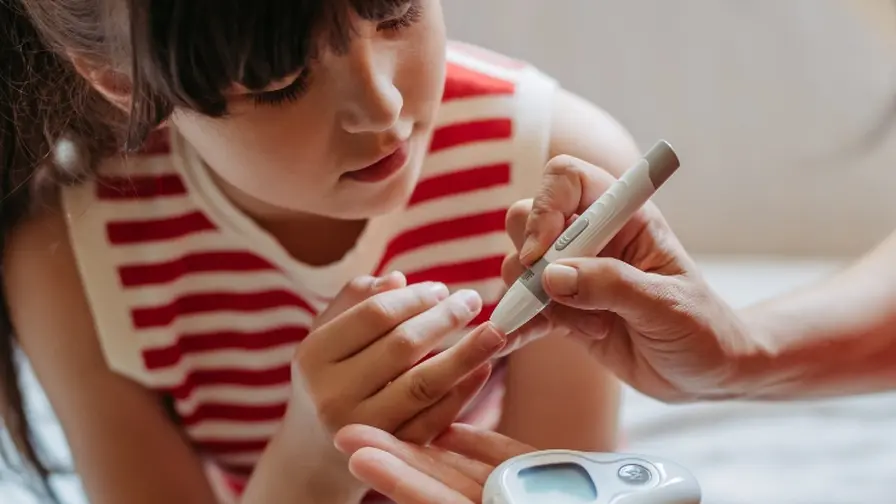
As promising as the findings are, translation into patients faces real barriers. One practical constraint: the pancreatic islets used in the experiments are typically obtained from deceased human donors, and the Stanford protocol requires that the donor provide both the hematopoietic stem cells and the islets. That tandem requirement narrows supply and complicates logistics.
Another question is quantity. Will the number of islets commonly recovered from a single donor be sufficient to reverse established Type 1 diabetes in humans? And will the functional longevity of transplanted islets — their survival, vascularization, and insulin-secretory capacity — match the performance seen in mice?
Researchers are already pursuing solutions. One avenue is manufacturing large numbers of insulin-producing cells from pluripotent stem cells in the lab, which could bypass donor limitations. Another approach aims to boost the resilience and function of transplanted donor islets so fewer cells provide sustained glucose control.
Broader implications for autoimmune disease and transplantation
Beyond Type 1 diabetes, the concept of a safe immune reset has sweeping implications. If a mixed chimeric immune system can be established reproducibly and with low toxicity, the same strategy might treat rheumatoid arthritis, lupus, or other autoimmune conditions. It could make mismatched solid organ transplants feasible without lifelong drug regimens, and it might render hematopoietic stem cell treatment tolerable for non-malignant blood disorders such as sickle cell disease.
Kim and his colleagues emphasize that the core techniques are not science fiction: ‘The key steps in our study — which result in animals with a hybrid immune system containing cells from both the donor and the recipient — are already being used in the clinic for other conditions,’ Kim said. That partial clinical footprint shortens the path from mouse to human, but careful trials will still be necessary to define safety and efficacy for people.
Expert Insight
Dr. Laura Hernandez, a clinical immunologist at a major academic center, who is not affiliated with the Stanford team, commented: 'This work is an elegant demonstration of the principle that the immune system can be retrained rather than simply suppressed. The clinical challenge will be reproducing the precision and balance observed in mice within a much more diverse human population. Still, the concept of achieving durable tolerance — so patients can live free of daily drugs — is a compelling goal for transplantation and autoimmunity.' She added a caution: 'Human immune systems vary; trials must be cautious, incremental, and attentive to rare but serious complications.'
For now the study opens a window. It shows that replacing missing beta cells and reconditioning the immune system can be two parts of a single therapeutic solution rather than opposing choices. If laboratory-generated islets or improved donor sourcing solve supply problems, the approach could move from proof-of-concept in rodents toward carefully designed clinical trials in humans.
Not every hurdle is technical. There are ethical and logistical decisions about donor matching, allocation of scarce islets, and the acceptable level of pre-transplant conditioning in non-life-threatening disease. Those conversations must run alongside the science.

Still, the core idea is clear and startlingly simple when you step back: don’t just replace what’s missing. Reprogram the system that caused the loss in the first place. It’s a different way of thinking about cure — less about permanent suppression and more about durable correction — and it may be exactly the kind of reframing Type 1 diabetes needs.

Leave a Comment
Comments (3)
Feels a bit overhyped, mice are not people. Still, clever combo therapy. Need human trials, cautious optimism. also logistics tho
Is this even scalable? Mixed chimerism sounds promising, but human immune diversity and islet supply.. big hurdles. curious how they handle long term risks?
Wow, if this holds in humans it's insane, a real reboot for the immune system! Hope they sort donor issues, supply is the big worry, but wow.