
4 Minutes
Swap one soda for another, and you might think you’ve made a smart choice. But a sweeping new study from Brazil raises a sharper question: are the low-calorie sweeteners we reach for actually nudging our brains toward earlier decline?
What the study found
Researchers tracked 12,772 Brazilian adults for roughly eight years, watching what they ate, what they drank, and how their thinking changed. The headline result is striking: people who consumed the most of several common artificial sweeteners showed a notably faster drop in cognitive test scores than those who consumed the least. The gap translated to about 1.6 years of additional cognitive aging for the highest consumers compared with the lowest.
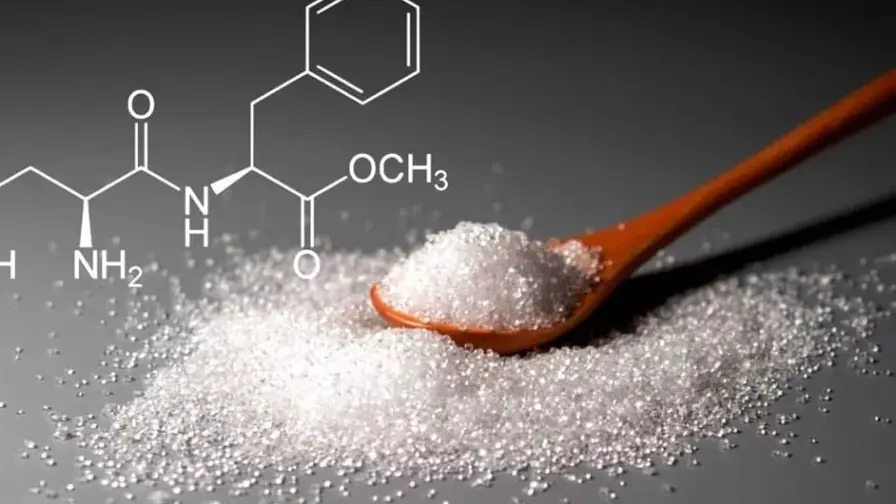
The team examined seven sweeteners that appear frequently in low-calorie products and ultra-processed foods: aspartame, saccharin, acesulfame-K, erythritol, xylitol, sorbitol, and tagatose. Of those, six were associated with a faster decline in memory and overall cognitive function; tagatose stood out as the one that did not show the same link. Sorbitol had the highest average intake among participants.
Differences were not uniform across the population. Adults under 60 experienced the clearest association between higher sweetener intake and worse performance on verbal fluency and overall cognitive tests. The signal was even stronger among people living with diabetes — a group more likely to choose sugar substitutes in the first place.
How the research was done and what it means
At enrollment, participants completed detailed dietary questionnaires describing their habitual intake over the prior year. The researchers grouped people by total daily intake of artificial sweeteners: the lowest intake averaged about 20 mg per day and the highest averaged about 191 mg per day — roughly the amount of aspartame found in a single can of diet soda. Cognitive assessments were repeated at intervals across the study to track changes in processing speed, attention, memory recall and word-finding ability.
After accounting for common confounders such as age, sex, blood pressure and cardiovascular disease, the highest intake group declined 62% faster in composite measures of thinking and memory than the lowest group. A middle-consumption group also declined faster than low consumers, though less sharply.

Important caveats apply. This is an observational study. Association is not causation. Dietary data were self-reported, and the study did not capture every sweetener on the market or other patterns of ultra-processed food consumption that might correlate with both sweetener use and cognition. Still, the associations persisted after multiple statistical adjustments, which strengthens the case for further investigation.
Claudia Kimie Suemoto, MD, PhD, one of the study’s authors at the University of São Paulo, summed the cautious takeaway: "Low- and no-calorie sweeteners are often seen as a healthy alternative to sugar; however, our findings suggest certain sweeteners may have negative effects on brain health over time." That wording underscores a central point — the results raise concern, not proof.
Why neuroscientists and clinicians care
The brain ages under the influence of many forces: vascular health, metabolic state, inflammation, lifestyle and diet. Artificial sweeteners interact with several of those pathways — they can alter the gut microbiome, influence insulin signaling, and change how the body responds to real sugar. Any of those mechanisms could plausibly contribute to subtle shifts in cognition over time, though the study did not test biological mechanisms directly.
For clinicians, the study suggests a need for nuance when recommending sugar substitutes, especially to middle-aged patients and people with diabetes who may already be at higher risk for cognitive decline. It also invites a broader public-health question: if many people replace sugar with sweeteners but still consume highly processed foods, are we simply swapping one risk for another?
Expert Insight
"We need randomized trials and mechanistic studies to move beyond correlation," says Dr. Elena Marquez, a neurologist and population health researcher not involved in the Brazilian study. "But until those data arrive, it’s sensible to favor whole foods over ultra-processed options — whether sweetened with sugar or substitutes. Small dietary shifts sustained over years often deliver bigger brain benefits than single nutrient swaps."
Alternatives to artificial sweeteners include reducing overall sweetness preference, using small amounts of natural sweeteners in whole-food contexts, and choosing minimally processed snacks and beverages. Researchers also called for future work to examine other sugar alternatives — honey, maple syrup, fruit purées — to understand whether they have different implications for long-term brain health.
The study reframes a familiar choice. It doesn’t tell consumers to panic, but it does ask them to think: is a calorie saved today worth a potential cognitive cost years from now?

Leave a Comment
Comments (2)
Is this even true? observational study, self reported diets = messy. Could be other junk food habits, but hmm, not comforting.
Wow, diet sodas maybe aging our brains? thats kinda scary, gonna rethink my morning can...