
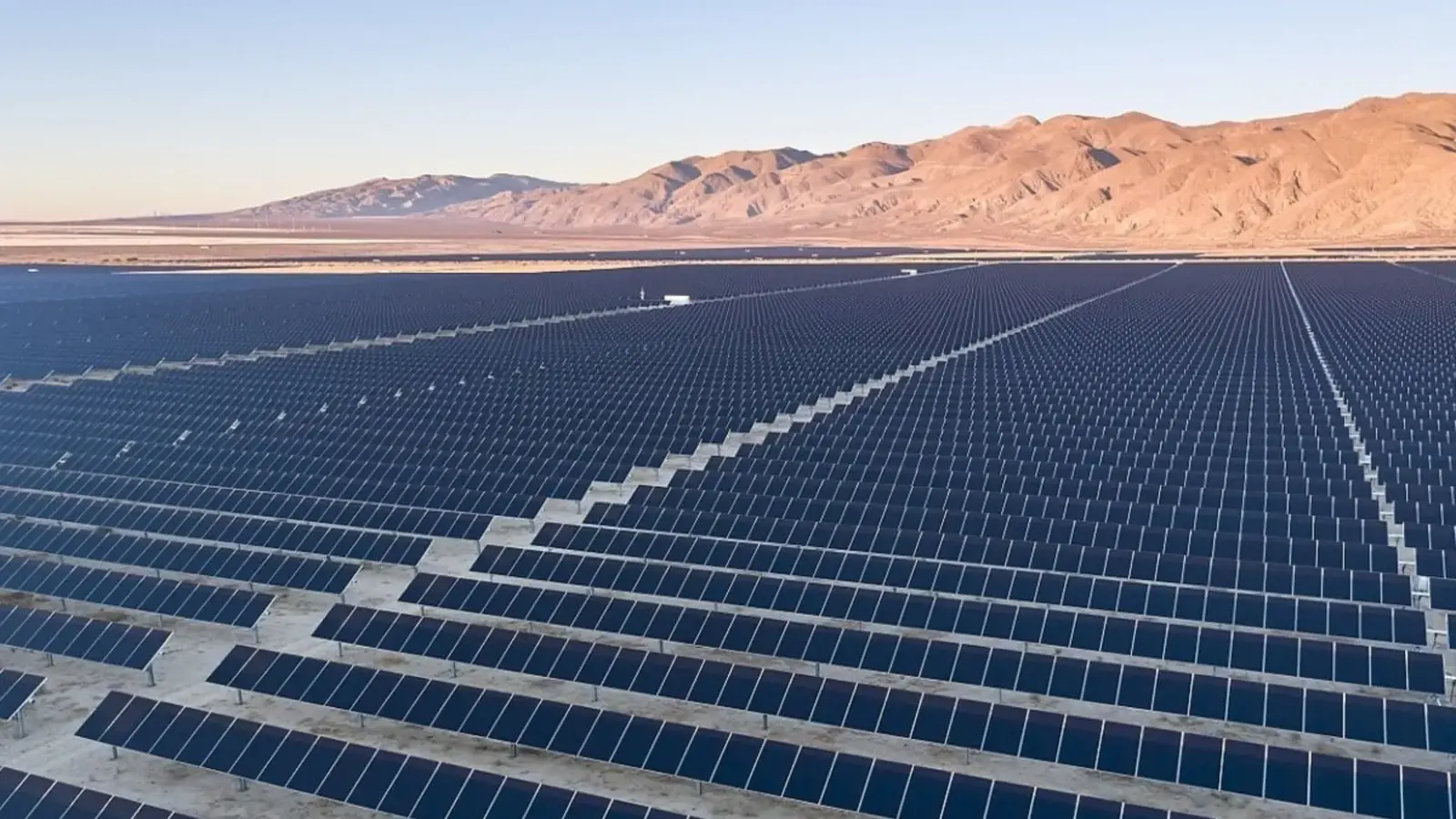
Arizona has approved construction of one of the largest solar energy projects in the United States: the Pinyon Solar Project. The 2,000-hectare development near Phoenix promises to expand local renewable generation, add substantial battery storage, and help stabilize the grid during the region's intense heat waves.
A large-scale solar build with energy storage at its core
The Pinyon Solar Project, led by California-based Avantus Clean Energy, will span roughly 2,000 hectares in Maricopa County, south of Phoenix. The site combines photovoltaic panels across the landscape with a dedicated 24-hectare battery energy storage system. That pairing is critical: the batteries will store excess daytime generation and release it at night or during cloudy periods, improving grid reliability and smoothing supply when demand peaks.
Capacity and footprint
- The project is expected to supply enough electricity for about 70,000 homes once operational.
- It uses 1,788 hectares of Bureau of Land Management (BLM) land plus 241 hectares of private property.
- Construction is scheduled to begin in fall 2026, with commercial operation targeted for early 2028 after an 18-month build.
Though some U.S. solar farms exceed 4,000 hectares, Avantus says the Pinyon site was chosen specifically to reduce environmental and social impacts while keeping the project close to existing grid infrastructure.
Why location and technology choices matter
Proximity to the Pinal West substation is a major advantage: it reduces the need for long transmission upgrades and speeds connection to the regional grid. The photovoltaic technology selected for the project also has very low water consumption compared with some other utility-scale systems, which is important in an arid state where groundwater and river flow are under stress.
Energy storage is not just an add-on — it transforms daytime solar into a dispatchable resource. Batteries allow the plant to supply power during evening peaks and shortfalls caused by heat waves, reducing reliance on imported electricity from other states and on fossil-fuel peaker plants.
Economic and social impacts for Arizona

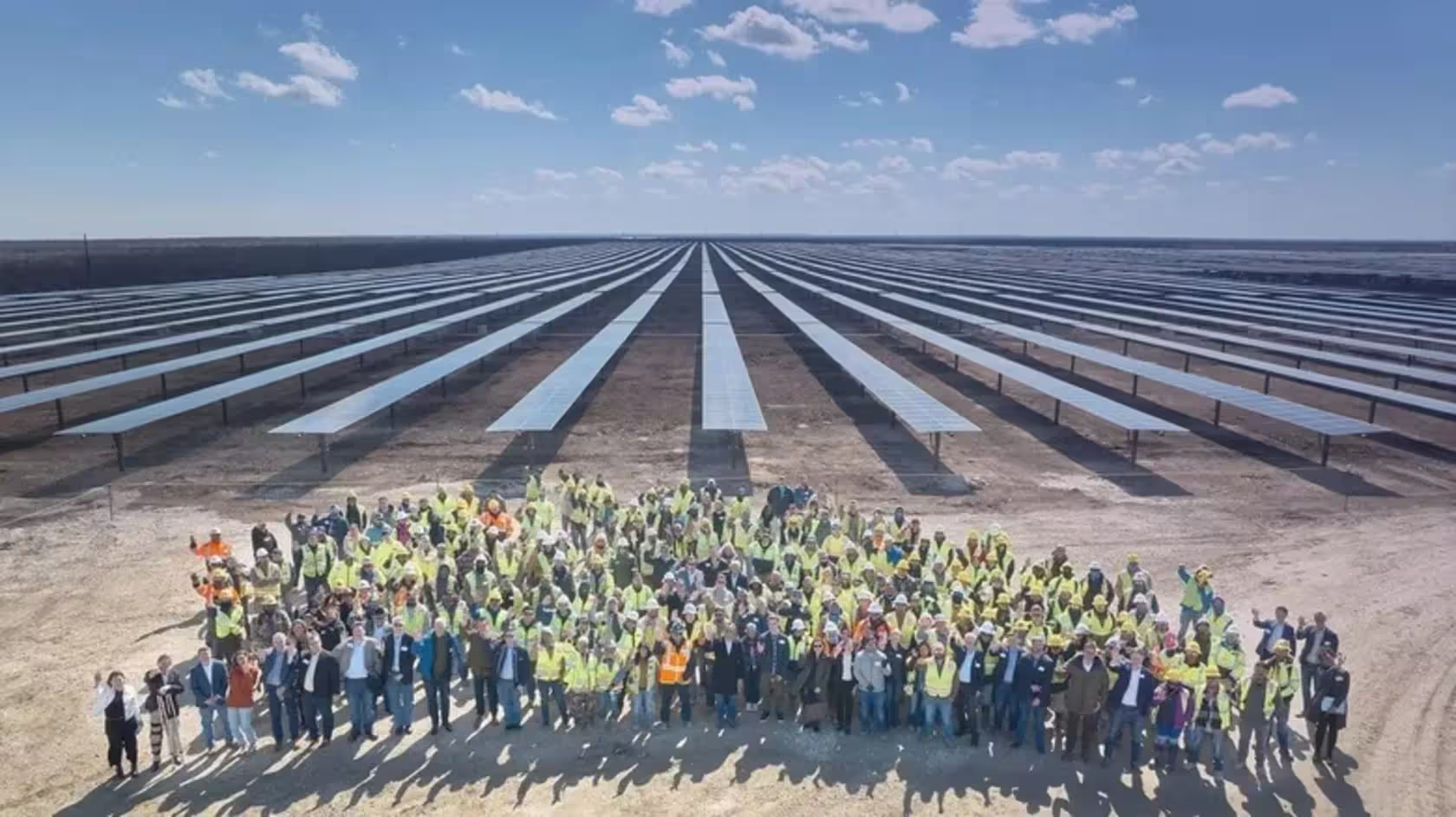
Local economic effects will be visible during construction: Avantus estimates about 500 workers at peak activity, producing a short-term boost to jobs and local services. After the plant opens, the permanent workforce is expected to be minimal — roughly five full-time employees — reflecting the low-operational labor intensity of modern utility solar plus storage sites.
Financially, the project also carries significant public benefits. According to company permitting officials, Pinyon is projected to generate more than $100 million in tax revenue over its lifetime. Those funds are slated to support public services including schools, safety, and infrastructure in the region.
Context: Arizona's heat, data centers, and energy demand
Arizona is one of the sunniest and most solar-friendly states in the U.S., but the region also faces escalating demand for energy and water. Population growth, industrial expansion, and a boom in data centers — Phoenix ranks among the top U.S. cities for data center concentration — have pushed electricity consumption upward. Last summer's record heat, including a stretch of 113 consecutive days above 37°C, highlighted vulnerabilities in the grid and increased urgency for local, resilient generation.
State leadership has responded: Governor Katie Hobbs has issued directives to streamline permitting for energy projects on public lands and created the Arizona Energy Promise Taskforce to coordinate faster, responsible deployment of renewables and storage.
Environmental trade-offs and mitigation
Large solar projects raise important ecological and land-use questions. Avantus says the Pinyon location was selected to minimize habitat disruption and social impacts. Low-water photovoltaic technology and careful siting near existing transmission reduce some concerns, but construction and land conversion will still need close oversight, environmental review, and monitoring to protect local ecosystems.
Expert Insight
Dr. Elena Ramirez, a renewable energy systems engineer, notes: 'Battery-backed solar is exactly the kind of resource Arizona needs. It converts abundant daytime sun into usable power when communities need it most, cutting stress on the grid during heat events. The key will be careful site planning and community engagement to ensure environmental trade-offs are managed.' Her comment highlights how storage combined with strategic siting can improve grid resilience while expanding clean energy supply.

With construction planned to start in late 2026 and commercial operation by early 2028, the Pinyon Solar Project could be a major step toward reducing Arizona's reliance on imported power, stabilizing electricity costs, and increasing local renewable capacity during the state’s toughest months.

Leave a Comment
Comments (2)
Sounds promising but 500 jobs peak only... how many local hires? what's the water impact long term, and where are the community input docs? seems vague.
Wow, huge project! If those batteries actually store enough power it could save the grid during heat waves. Hope they really protect wildlife, and not just say it in permits, prolly a tradeoff tho