
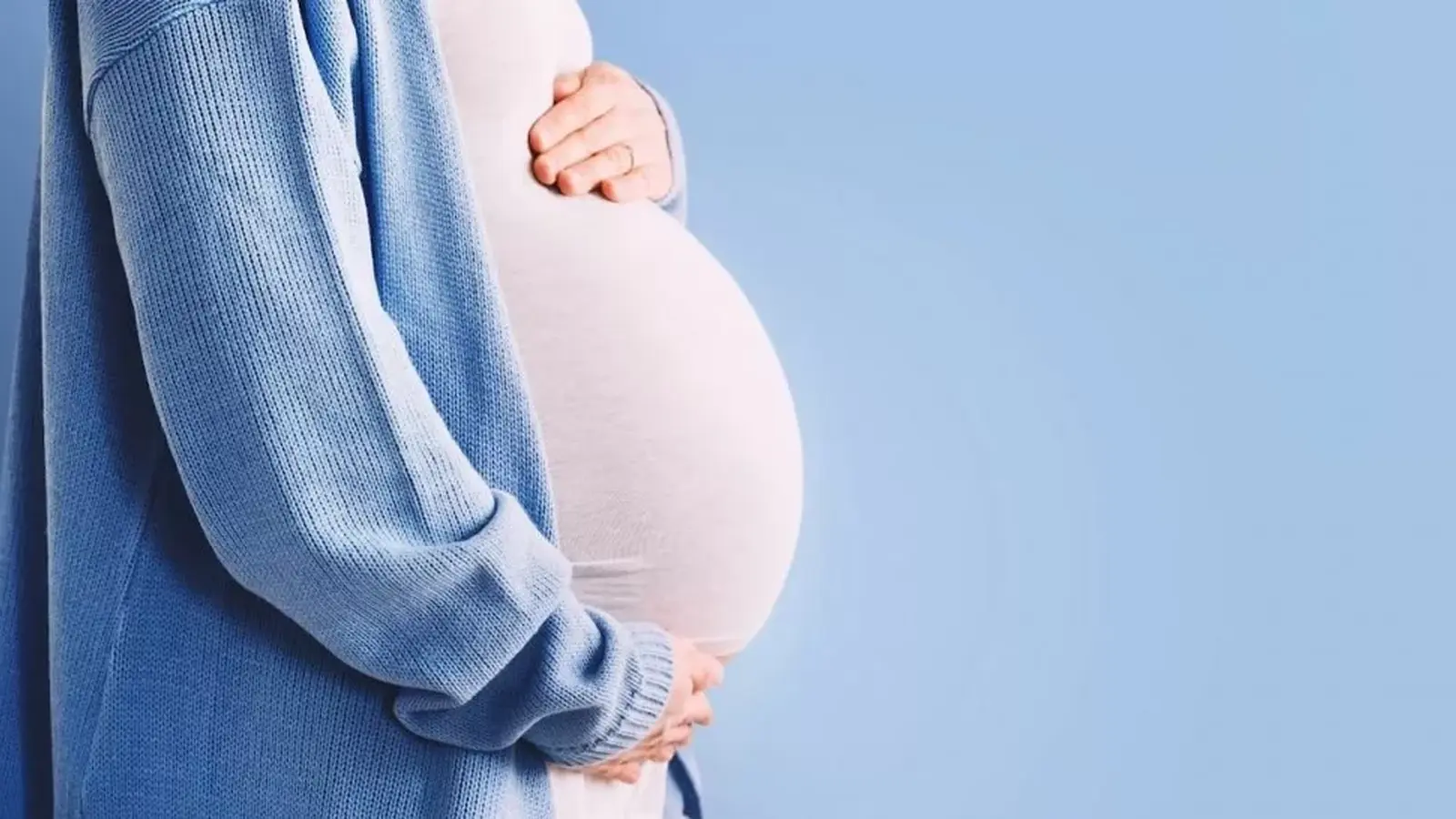
A new study from Massachusetts General Hospital suggests that maternal COVID-19 during pregnancy may increase the chance of neurodevelopmental diagnoses — including autism — in children by age three. Researchers analyzed medical records from the earliest months of the pandemic to better understand how prenatal SARS-CoV-2 infection could influence brain development.
What the study looked at and what it found
Investigators examined more than 18,000 birth records between March 2020 and May 2021, comparing children born to mothers with laboratory-confirmed COVID-19 during pregnancy to those whose mothers tested negative. They tracked neurodevelopmental diagnoses recorded up to the child’s third birthday and adjusted for other risk factors.
- Overall, 16.3% of children whose mothers had COVID-19 in pregnancy received a neurodevelopmental diagnosis by age three, versus 9.7% in the uninfected group.
- After adjusting for confounders, the researchers estimated about a 1.3-fold (roughly 30%) increased risk of being diagnosed with a neurodevelopmental disorder following maternal infection.
- Focusing on autism specifically, 2.7% of children in the maternal-COVID group had an autism diagnosis by age three compared with 1.1% in the control group.
The results were published in the journal Obstetrics and Gynecology.
Why might maternal COVID affect fetal brain development?
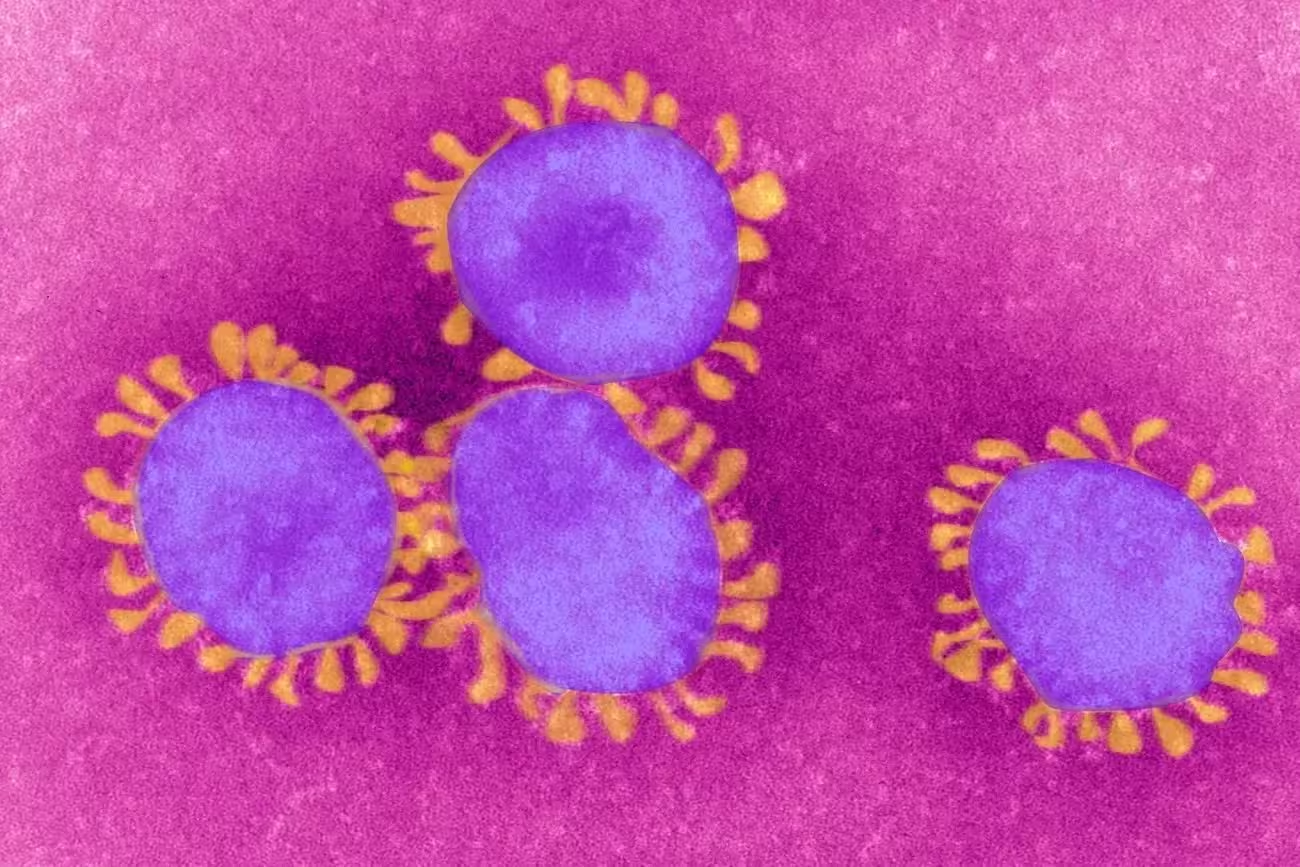
It’s unlikely the SARS-CoV-2 virus itself is directly infecting the fetus — placental transmission is rare. Instead, the leading hypothesis is maternal immune activation: a strong inflammatory response to infection can alter the biochemical signals that reach a developing fetus. Similar associations have been observed historically with maternal influenza and rubella infections.
How immune activation can matter
Inflammatory cytokines and changes in maternal physiology during infection can influence neural growth, synapse formation, and other critical processes in the fetal brain. Timing matters: exposure during specific windows of neural development may carry different risks.
Timing, sex differences, and the unvaccinated cohort
The study highlighted two important patterns. First, the association was strongest when infection occurred in the third trimester — a period of rapid brain growth. Second, the increased risk appeared more pronounced in male offspring, consistent with observations that male fetal brains can be more sensitive to certain prenatal stressors.
Importantly, the cohort was largely unvaccinated: about 93% of the pregnant people in the study had not received COVID-19 vaccines, since the research began in early 2020. That timing allowed investigators to examine effects of the disease itself, separate from vaccination.
Implications for expectant parents and clinicians
The findings do not prove causation, but they add to a growing body of evidence linking maternal infection and later neurodevelopmental outcomes. For pregnant people and clinicians, the study underscores the value of infection prevention, careful monitoring, and early developmental screening for children with prenatal exposure to COVID-19.
As the study authors note, further research is needed to confirm long-term outcomes, explore underlying biological mechanisms, and determine whether vaccination or timely treatment during pregnancy mitigates these risks.
What to watch next
Future studies should track children beyond age three, include vaccinated cohorts, and integrate biological markers of inflammation to clarify how prenatal SARS-CoV-2 exposure influences brain development. For now, the research offers an important signal that prenatal health and infection control remain critical to early childhood outcomes.

Leave a Comment
Comments
No comments yet. Be the first.