
4 Minutes
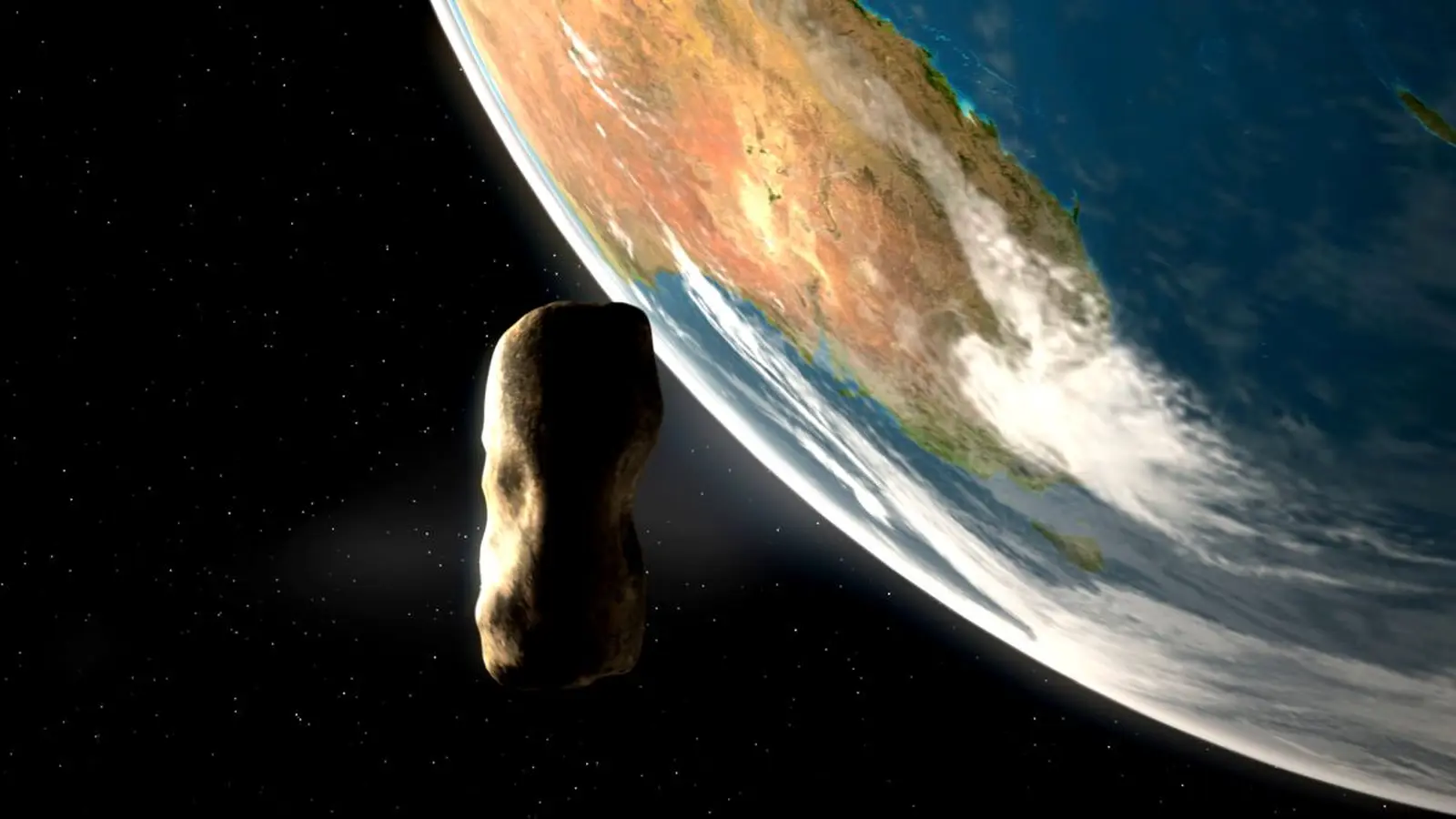
Tiny glass beads scattered across southern Australia are revealing the fingerprint of a previously unknown meteorite impact — one that happened roughly 11 million years ago. Geoscientists reexamined odd tektites stored in museum collections and discovered a distinct glass type, now called ananguites, that points to a massive but as-yet-unlocated collision in Earth’s deep past.
Unusual glass beads point to a lost cosmic event
For decades, the Australian desert has yielded countless tektites — glassy droplets formed when a meteorite impact melts and hurls surface rock into the air. Most of those beads belong to the well-known Australasian strewnfield and are about 788,000 years old. But a small number of australites have long puzzled researchers because their chemistry and physical features don't match the rest.
A team led by Anna Musolino of Aix-Marseille University revisited those anomalies. Using published chemical descriptions from a NASA study in 1969 as a guide, they screened the South Australian Museum’s australite collection and identified six tektites that share a distinctive composition: lower silicon dioxide, but higher iron, magnesium and calcium oxides, greater density, stronger magnetic susceptibility, and different bubble textures and trace-element ratios.
Those differences are large enough to suggest a different source event. Radiometric argon dating on two samples produced an age near 11 million years, separating these glass beads in time — and origin — from the much younger Australasian impact. The researchers have named the glassy fragments ananguites to mark their unique fingerprint.
Why the crater remains missing — and what that means
One striking detail: no definitive crater has been linked to the ananguite event. That’s surprising given the size and distribution of melt products required to produce glassy beads that were carried hundreds to thousands of kilometres. As Curtin University geochronologist Fred Jourdan explains, these beads behave like "time capsules" that preserve the signature of a violent impact long after landscape scars have erased themselves.
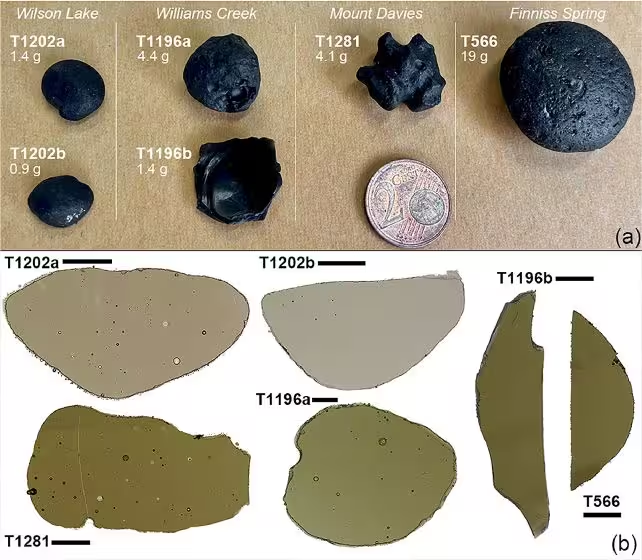
The six newly discovered ananguites
There are several plausible reasons a crater might be hidden. Eleven million years is long enough for intense weathering, sediment cover, or tectonic processes to bury or erase surface evidence. In arid central Australia, episodes of aridification and shifting sedimentation since about 33 million years ago may have obscured or destroyed impact morphology. Alternatively, a crater in tropical or mountainous regions — such as parts of Papua New Guinea — might have been misidentified as volcanic or otherwise masked by younger geology.
Musolino and colleagues note geochemical differences between western and eastern ananguites in their set, which could one day help narrow a search area if further samples are located and analyzed. But for now the source remains an open question, and locating it would be a major prize in impact-cratering science.
Scientific context: tektites, strewnfields and argon dating
Tektites are natural glass formed from terrestrial material melted during hypervelocity impacts. When a meteorite strikes, the energy can melt hundreds to thousands of tonnes of rock, some of which is ejected and rapidly cooled into glass droplets. Strewnfields are the regions where those droplets fall back to Earth.
The Australasian strewnfield is Earth’s largest and most widely distributed, and its source crater remains unknown despite decades of search. Argon-argon (40Ar/39Ar) dating is a key tool for establishing the age of tektites: when molten rock cools, radioactive argon is trapped, allowing scientists to measure the decay of potassium-40 and determine a formation age with precision. The new argon results linking ananguites to an ~11-million-year age provide the decisive piece separating these beads from the younger australite population.
Implications and next steps for impact research
Discovering ananguites reframes part of Australia’s impact history. It demonstrates that the continent preserves microscopic traces of events not evident from surface geology alone. Those tiny glass beads could help reconstruct the size, energy and environmental effects of an otherwise invisible impact.
- Search strategy: Geochemically fingerprinted tektites can guide field surveys toward potential source regions.
- Remote sensing: Satellite imagery and geophysical surveys (gravity, magnetics) could reveal buried circular structures consistent with impact craters.
- Comparative studies: Comparing ananguites with other regional tektites may identify a pattern of distribution that points back to a crater location.
The discovery also highlights the value of museum collections. Specimens collected decades ago can yield new discoveries when modern analytical tools and fresh questions are applied.
Expert Insight
"Finding ananguites is like uncovering a missing paragraph in Earth's impact history," says fictional Dr. Laura Chen, planetary geologist and impact specialist. "These glass beads allow us to probe events that left little to no topographic trace. With coordinated geochemical screening and targeted geophysics, we may yet find the hidden crater and better understand the regional environmental consequences of the impact."

The research appears in Earth and Planetary Science Letters and opens a new avenue for collaborative fieldwork, geochemical mapping and remote-sensing campaigns aimed at locating the elusive crater behind Australia’s newest impact signature.

Leave a Comment
Comments (2)
Is this for real? could these beads be misclassified volcanic glass, or did labs nail the argon dates? curious but skeptical, need more samples
wow didn’t expect Australia to keep a secret like this! tiny glass time capsules, 11 million years old? mind blown, now who finds the crater…