
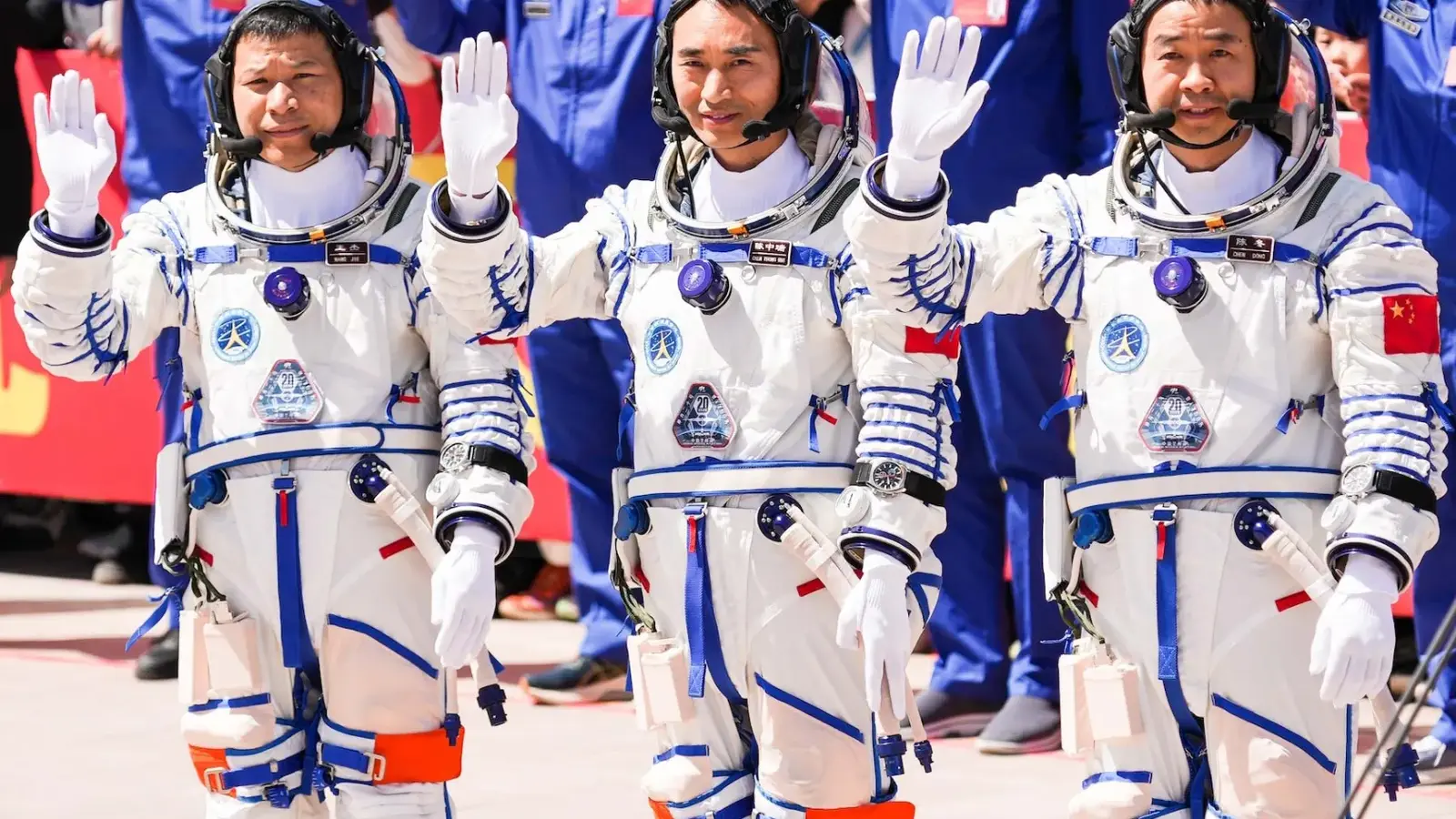
Three Chinese taikonauts have had their planned return to Earth postponed after debris struck their Shenzhou-20 return capsule while it remained docked at the Tiangong space station. The unexpected impact, reported by the China Manned Space Agency (CMSA), has left mission managers assessing risk and safety for the crew and the station.
What happened to Shenzhou-20?
According to public statements and reporting by outlets monitoring the mission, the Shenzhou-20 return capsule was struck by an object identified as likely space debris just hours before the crew’s scheduled undocking and reentry. The three astronauts — Wang Ji, Chen Zhongrui and mission commander Chen Dong — have been aboard Tiangong since April 24. They were due to hand over duties to the newly arrived Shenzhou-21 crew (which reached Tiangong on October 31) and return to Earth on November 5, but the CMSA confirmed the return has been delayed while engineers analyze the impact.
Why the delay matters
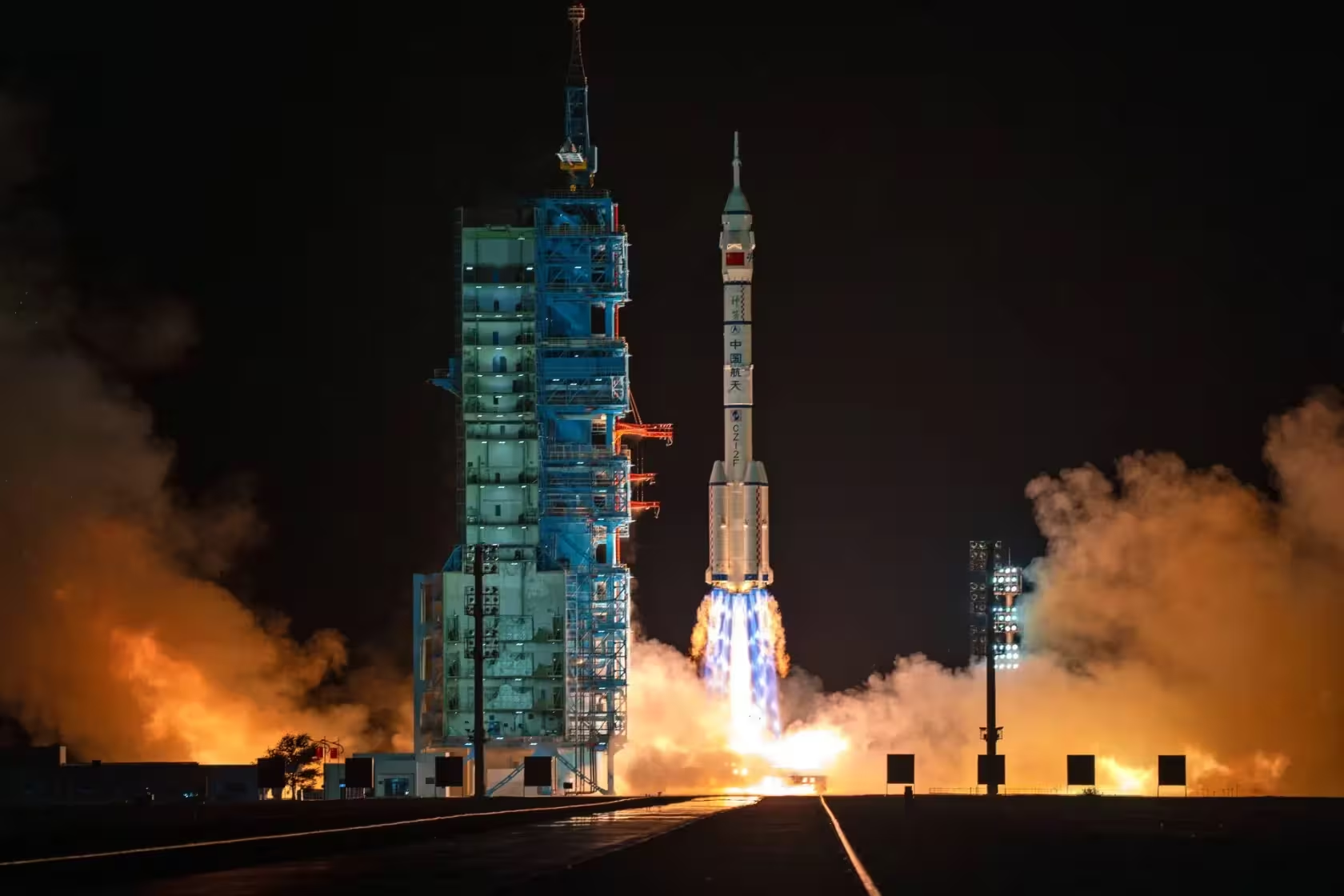
The CMSA said it is conducting an impact analysis and risk assessment “to ensure the health and safety of all six astronauts currently aboard the station.” The damaged vehicle remains docked to Tiangong, and Chinese crewed capsules are built as three-section vehicles: a propulsion/power module, a crew habitation module, and the bell-shaped return capsule equipped with a parachute system. If any section of a spacecraft is judged unsafe for crewed reentry, mission planners typically opt to return the vehicle uncrewed to verify structural integrity and systems performance before committing people to it.
Contingency plans and crew rotation
CMSA has outlined contingency options used in prior missions: if Shenzhou-20’s return module is declared unsafe, the Shenzhou-20 crew could ride home in the incoming Shenzhou-21 return capsule that delivered the new crew. Following that, the compromised spacecraft would be sent back to Earth without people aboard. A replacement capsule, already prepared on the ground, would then be launched later to restore normal crew rotation.
Broader context: debris is a growing hazard
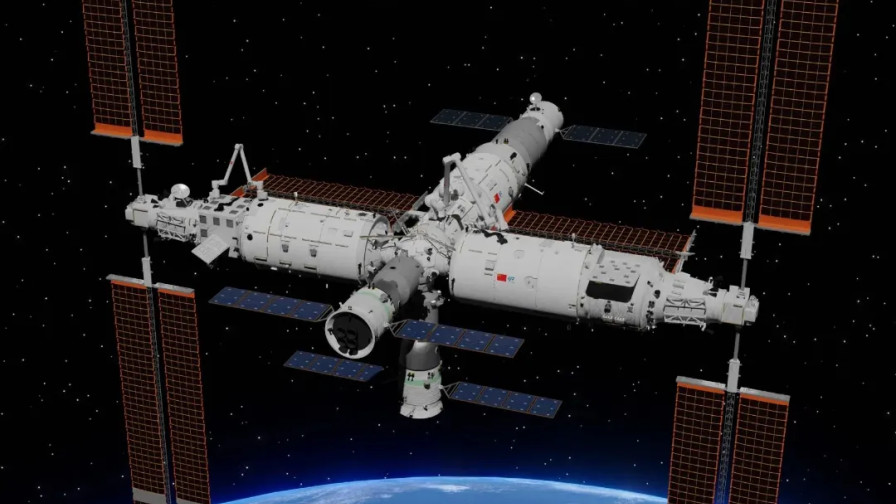
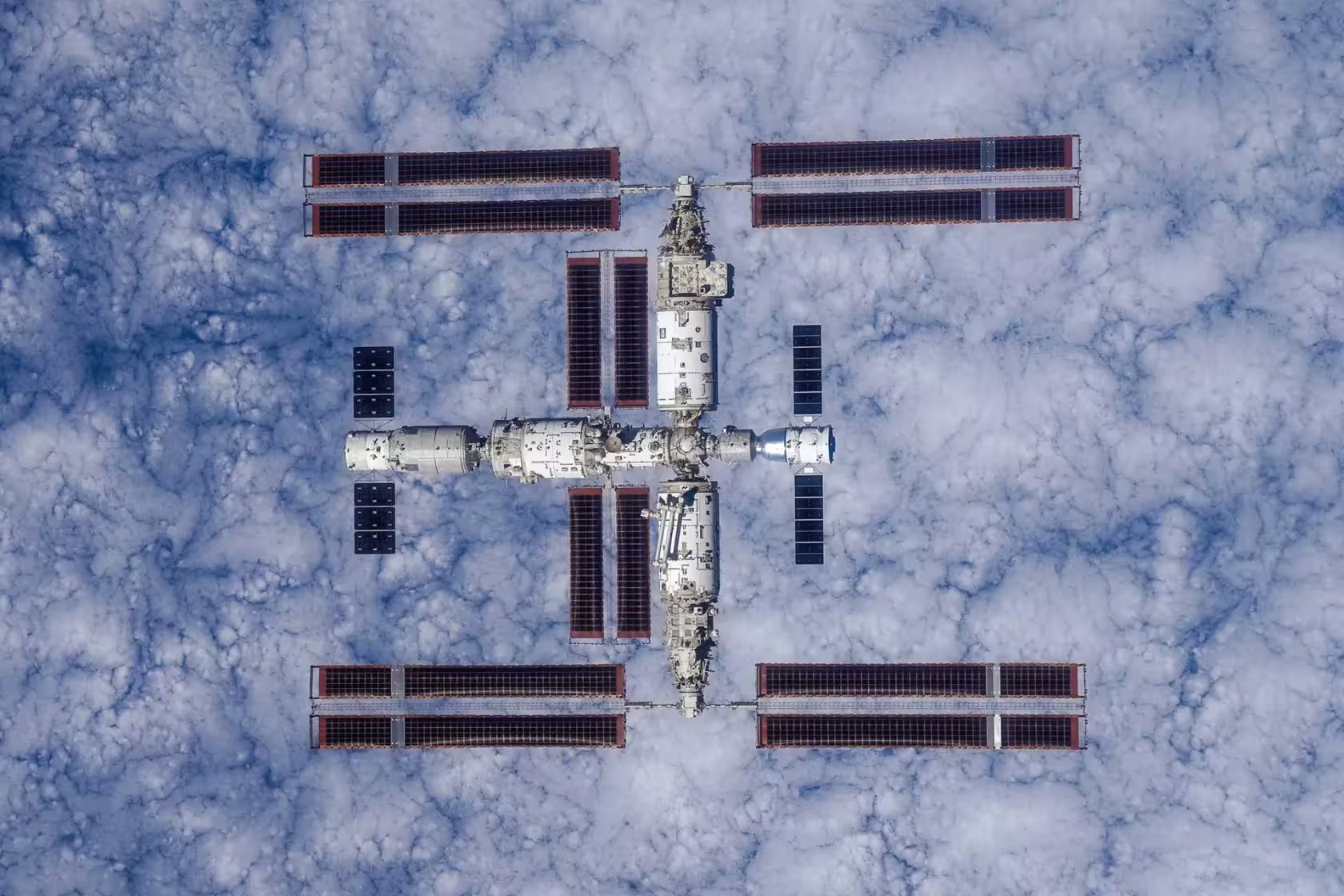
This incident is a reminder of a persistent threat in low Earth orbit: orbital debris. Tiangong has previously sustained damage in 2023 when one of its solar panels was struck, and the International Space Station (ISS) regularly performs collision-avoidance maneuvers to dodge tracked fragments. The increasing number of satellites and rocket stages in orbit raises the probability of collisions and the risk of cascading events known as the Kessler syndrome, where debris generation spawns more collisions and makes certain orbits hazardous for decades.
Why small fragments are dangerous
Even tiny pieces of debris travel at orbital velocities of several kilometers per second; the energy of impact at those speeds can puncture thermal protection, damage avionics, or compromise structural elements. A strike to a return capsule’s heat shield or parachute compartment would be especially consequential, which explains the cautious response from mission control.
What this means for the crew and future operations
For taikonaut Chen Dong, the delay extends an already-record-breaking stay in orbit. During this mission he surpassed 400 cumulative days in space for a single Chinese astronaut — a milestone now prolonged by the postponed return. Similar unplanned extensions have affected other crews worldwide: in 2023, a damaged Russian Soyuz capsule left an astronaut stranded longer than planned; and in March of the same year, two NASA astronauts returned after a nearly year-long extension following spacecraft technical issues.
Mitigation and next steps

Space agencies and commercial firms are accelerating research into debris removal and mitigation: active debris removal concepts, better tracking, and on-orbit servicing are all part of the toolbox intended to keep orbital pathways safe. For now, CMSA engineers will complete their forensic analysis of the impact, decide whether to return Shenzhou-20 uncrewed, and schedule any replacement flights. The safety of the six people aboard Tiangong remains the overriding priority.

Leave a Comment
Comments (2)
Is CMSA being fully transparent? Feels like details are sparse, I'd like pics or data before panicking. Safety first tho, but curious
Wow, that's scary... debris again? Hope crew ok, this is why LEO is getting messy. Imagine a tiny pebble doing that, yikes