
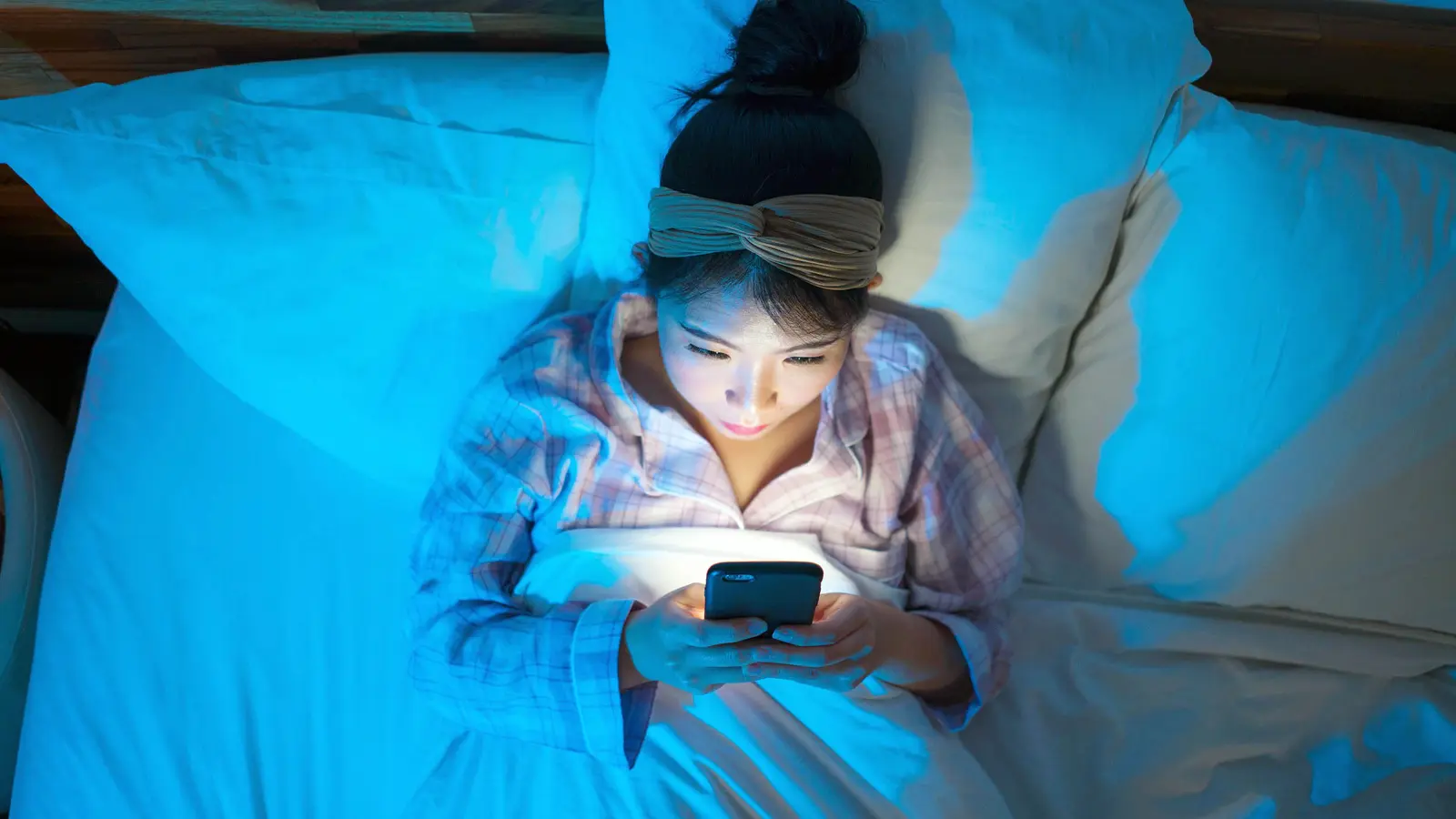
For years we've been warned to put our phones away well before lights-out because blue light suppresses melatonin and wrecks sleep. A fresh Canadian study now complicates that simple story, suggesting phone use before bed isn't always linked to poorer sleep—and that when and how you use a device may matter more than the light it emits.
How researchers tested the bedtime-screen myth
Researchers at Toronto Metropolitan University surveyed more than 1,300 adults across Canada and asked detailed questions about their screen habits, sleep timing and sleep quality. Participants were sorted into three groups based on how often they used a phone or other screens in the hour before bed: occasional (less than once per week), moderate (one to four times per week) and regular (five or more times per week).
Surprising U-shaped results: the middle group fared worst
Contrary to expectations, the analysis revealed a U-shaped pattern. Moderate users—those who used screens one to four nights a week—reported the poorest sleep across several measures. Occasional users reported the highest satisfaction with sleep consistency, while regular nightly users reported the best sleep timing and daytime alertness. These relationships held even after adjusting for age, gender and income.
Why the pattern might make sense: routine and content matter
Investigators suggest that regularity in pre-sleep habits could be a key factor. People who consistently avoid screens likely have an established wind-down routine; those who always use screens may have built stable, predictable device habits. The moderate group, on the other hand, may experience irregular pre-sleep routines—sometimes scrolling, sometimes not—and that variability could be more disruptive than steady exposure.
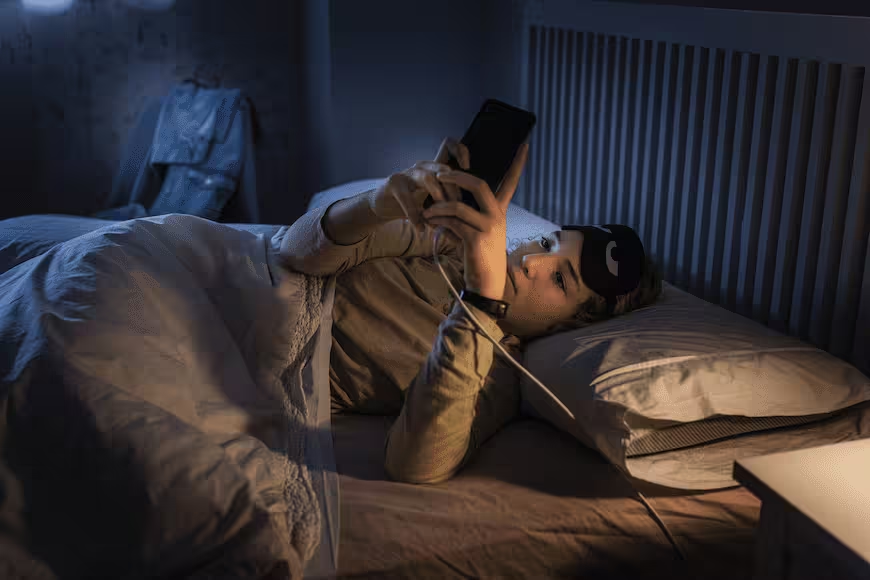

Equally important: not all screen time is equal. Exposure to blue light is a measurable physiological input, but the psychological and cognitive demands of the activity vary dramatically. A calming guided-meditation app has a very different effect on arousal and stress than doomscrolling social media or checking work e-mail. In that sense, content—the kind of activity you do with a device—may influence sleep quality more than light alone.
Scientific background: melatonin, blue light and aging eyes
Blue-wavelength light can suppress melatonin, the hormone that helps regulate sleep-wake cycles. Laboratory studies have shown that bright screens can shift circadian timing when exposure occurs at the wrong time. But sensitivity to light changes with age. As people grow older the eye’s lens naturally yellows, filtering some blue light and reducing retinal sensitivity. That means young people, particularly adolescents whose visual systems are still developing, may be more affected by late-night screens than adults.
Study limits and what we should still take seriously
The Toronto Metropolitan University findings were based on self-reported behavior and sleep outcomes, not clinical laboratory measures. The study appeared in the journal Sleep Health and authors caution that more controlled experiments are needed to verify cause-and-effect. In short: this research challenges a blanket prohibition on phones before bed but doesn’t endorse marathon late-night social-media sessions.
Practical takeaways: smarter bedtime habits
- Prioritize routine: aim for consistent sleep times and pre-sleep rituals, whether that includes a device or not.
- Mind the content: choose calming activities—meditation, reading an e-book with warm lighting—over stimulating feeds or work email.
- Adjust by age: parents should be more cautious with teenagers’ night-time screen exposure because younger eyes are more light-sensitive.
- Use tools judiciously: grayscale or bedtime modes may help reduce stimulation, but they aren’t a cure-all if the content keeps you alert.
Expert Insight
Dr. Maya Reynolds, a sleep researcher and science communicator (fictional for this piece), notes: "This study highlights a simple truth—consistency often beats inconsistency. Devices themselves are neutral objects; it’s how and when we use them that changes arousal, stress and sleep timing. Instead of demonizing screens, focus on predictable sleep routines and low-arousal activities before bed."
Ultimately, the new evidence urges nuance. Blue light and melatonin remain real, measurable mechanisms—but they are part of a complex web of behavioral, psychological and physiological factors that determine how well we sleep. For many adults, occasional phone use before bed may not be the sleep saboteur once assumed—though moderation, content choice and regular sleep schedules still matter.


Leave a Comment
Comments (2)
Is this even true? Sounds plausible that consistency helps, but self report bias is huge. And young eyes are way more sensitive — what about brightness, duration, and late night notifications? feels like more lab work needed...
wow didnt expect regular phone users to report better sleep. Routine > panicking about blue light? maybe. Content and consistency make total sense, but im still skeptical about self-reports. teenagers tho, keep screens out at night. quick thought.