
5 Minutes
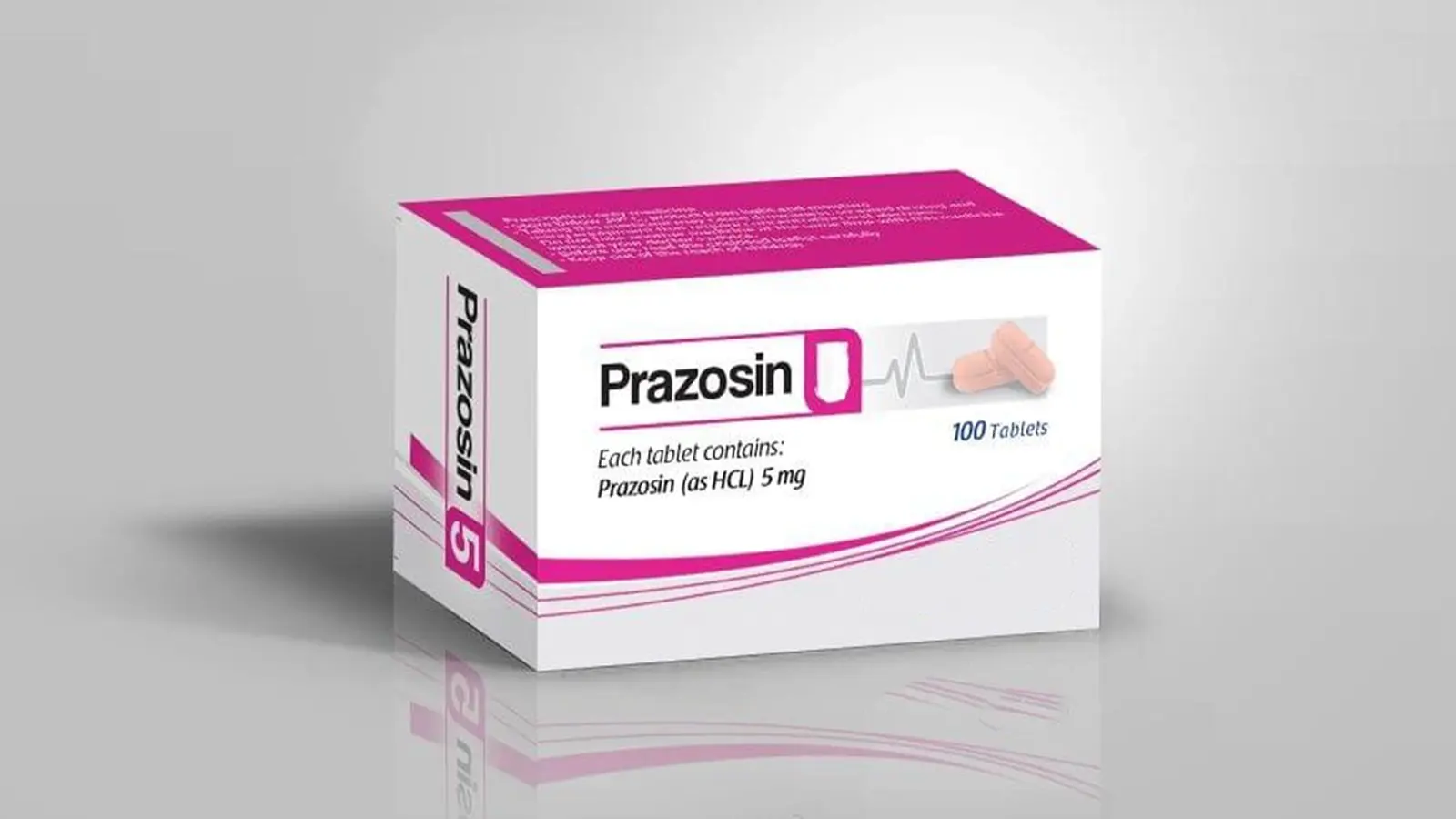
The U.S. Food and Drug Administration has announced a recall of more than half a million capsules of generic prazosin after routine testing found elevated levels of nitrosamines, a class of chemicals linked to cancer in animal studies. The recall, issued by Teva Pharmaceuticals on October 7, 2025, affects a widely used drug prescribed for high blood pressure and post-traumatic stress disorder.
What happened and who is affected
Prazosin is an old, generic medicine that has been available for more than 25 years. It treats hypertension and is commonly prescribed off-label for nightmares and sleep disturbances related to PTSD. Teva Pharmaceuticals, one of several manufacturers of prazosin, voluntarily recalled specific lots after FDA testing detected nitrosamine levels above the agency's acceptable limits.
The recall covers more than 580,000 capsules; roughly 510,000 people in the United States take prazosin each year. While other generic manufacturers make prazosin, the FDA and Teva state that only Teva-distributed lots are implicated in this action.
What are nitrosamines and why they matter
Nitrosamines form when nitrite groups react with amine groups during chemical processing. They occur across industry and daily life: industrial processes for rubber, sealants and rocket fuel can produce high levels, and cured meats such as bacon, salami and pepperoni can yield small amounts through nitrite preservatives. Even chlorinated water interacting with organic nitrogen compounds can form trace nitrosamines.
Small, occasional exposures are generally not considered dangerous. But some nitrosamines are known carcinogens in animal studies when people consume them in relatively high amounts over long periods. Because many prescription and over-the-counter drugs undergo complex chemical synthesis, contamination can arise during manufacturing if the processes or controls allow nitrite or amine precursors to form nitrosamines.
How regulators caught the problem
European regulators first flagged nitrosamine contamination in 2018 during testing of valsartan, a blood pressure drug. That discovery prompted global testing and recalls and led the FDA to create guidance for detecting nitrosamines and setting safety thresholds. The agency issued initial guidance in 2021 and updated recommendations in 2024, after which several manufacturers found nitrosamine contamination in drugs for blood pressure, diabetes, heartburn, antibiotics and smoking cessation.
Practical steps if you take prazosin
If you use prazosin, you should verify whether your prescription came from Teva. Check the prescription label for the abbreviations MFG or MFR, which indicate the manufacturer. If the label reads MFG Teva or MFR Teva, the drug may be one of the recalled lots. You can also inspect the National Drug Code on your label: Teva products commonly begin with 0093 as the first four digits.

- Ask your pharmacist to check the lot number against the FDA recall list and to confirm whether an unaffected generic prazosin is available at the pharmacy.
- Do not stop taking prazosin without speaking to your physician. Abruptly discontinuing blood pressure medication or PTSD treatment can be harmful.
- If your prescription is on the recall list and no substitute is available at your pharmacy, your prescriber can recommend alternatives such as clonidine or trazodone, depending on the condition being treated.
The FDA classified this recall as Class II, indicating the product may cause temporary or medically reversible adverse health consequences. In many cases, the agency and clinicians weigh the potential risk of limited nitrosamine exposure against the risks of stopping therapy suddenly. For most patients, continuing treatment until a safe replacement is available is the preferred course, but this is a decision best made with a clinician.
Supply chain and quality concerns behind the recall
Generic drugs play a vital role in affordable health care, but competition and cost pressures can influence manufacturing choices. Prazosin's long presence in the market means multiple manufacturers produce the same active ingredient, often in different countries. When many firms compete, price becomes a primary driver, which can lead to production moving to lower-cost plants. That shift increases the importance of robust quality controls.
A 2025 study that reconstructed manufacturer and plant data from FDA records found that serious adverse events were 54.3% higher for generics made in India compared with those made in the United States. The difference grew with how long a drug had been generic. These findings do not implicate any single company automatically, but they underline how oversight, transparency and manufacturing practices affect safety.
Teva operates manufacturing facilities worldwide, including in India, though the company has not publicly disclosed where the recalled prazosin lots or their raw materials were made. The FDA publishes quality ratings for generic drugs and asserts that an A rating means products meet the same standards as brand-name drugs. However, pharmacies and patients cannot always tell which plant produced a particular bottle or batch, limiting informed choices.
Policy implications: transparency, testing and patient safety
This recall renews calls for greater transparency in the generic drug supply chain and more frequent, standardized testing for contaminants. Advocates argue pharmacies should have access to reliable quality data to guide procurement and protect consumers. Policymakers and regulators face the challenge of balancing supply security, affordability and manufacturing oversight without disrupting medicine availability.
In response to past nitrosamine findings, the FDA expanded testing and updated guidance; however, recalls continue to surface as companies test older inventories and new lots. Improved manufacturing controls, stricter supplier audits and clearer public reporting about lot origins could reduce future contamination events and help patients choose safer options.
Expert Insight
Dr. Amanda Reyes, a clinical pharmacologist and former quality assurance lead at a major pharmaceutical contract manufacturer, commented: "Nitrosamines are an ongoing challenge because they can form in multiple places across the production chain. Robust analytical testing and process controls are essential. For patients, the practical message is simple: don't panic, but do check your label and talk with your pharmacist or doctor — they can verify whether your lot is affected and recommend a safe alternative if needed."
This incident is a reminder that the safety of generic medicines depends on continuous oversight and communication among regulators, manufacturers, pharmacies and clinicians. Patients relying on prazosin or any long-standing generic drug should stay informed, ask pharmacists about lot numbers, and consult clinicians before changing therapy.

Leave a Comment
Comments (2)
Whoa 580k capsules recalled? That's wild and kinda terrifying. Don’t wanna stop meds, but also ugh trust issues with generics now. Gotta call my doc asap
Is this even true? If only Teva lots, why not say which plant or country, pharmacists can't always trace batches fast. Feels like we're left in the dark, sketchy.