
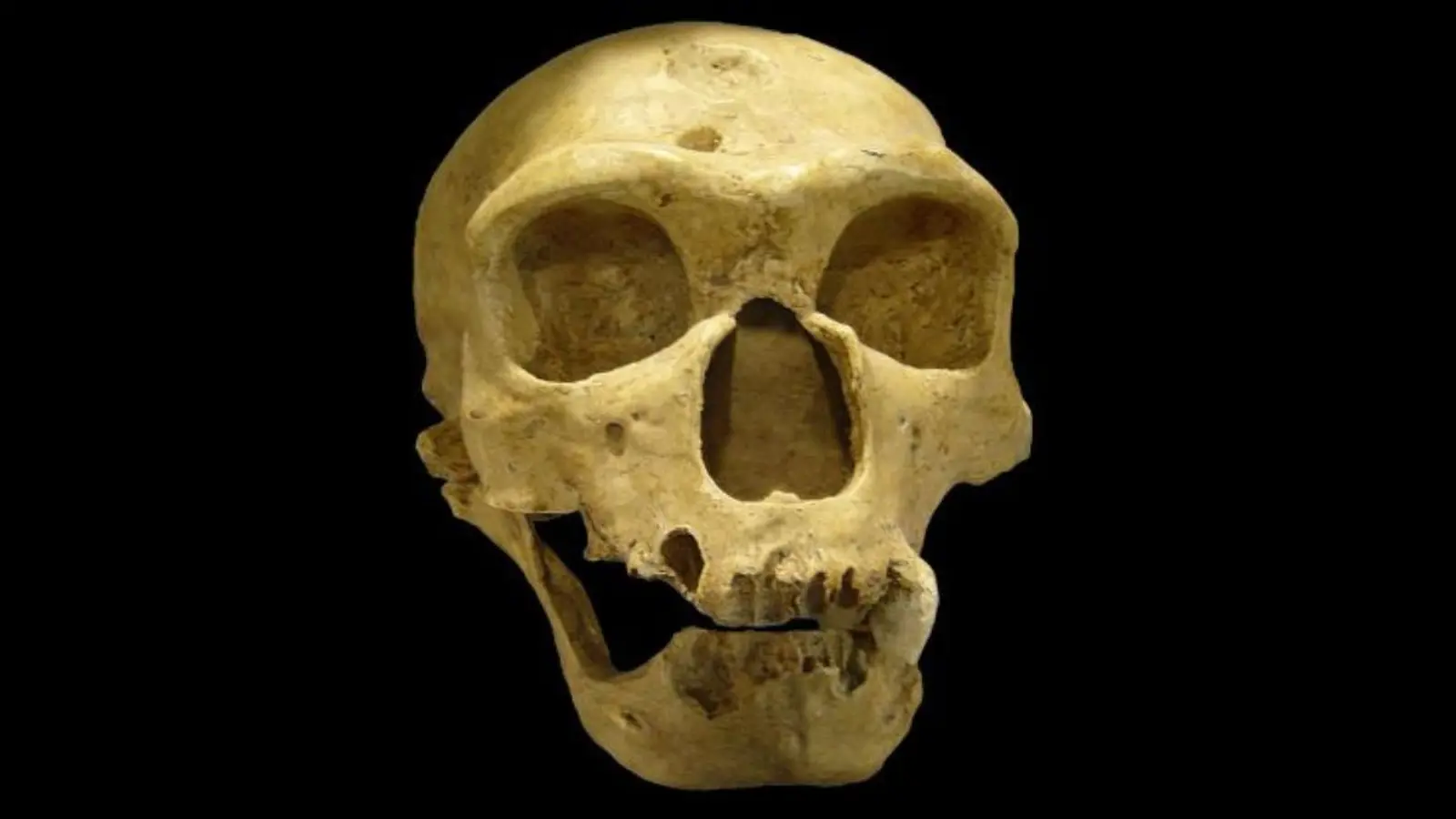
Recent studies in archaeology and genetics are reshaping how we see Neanderthals and Homo sapiens. Stone tools, cave art and DNA are painting a picture of repeated migrations into Europe and a closer relationship between our species than once thought.
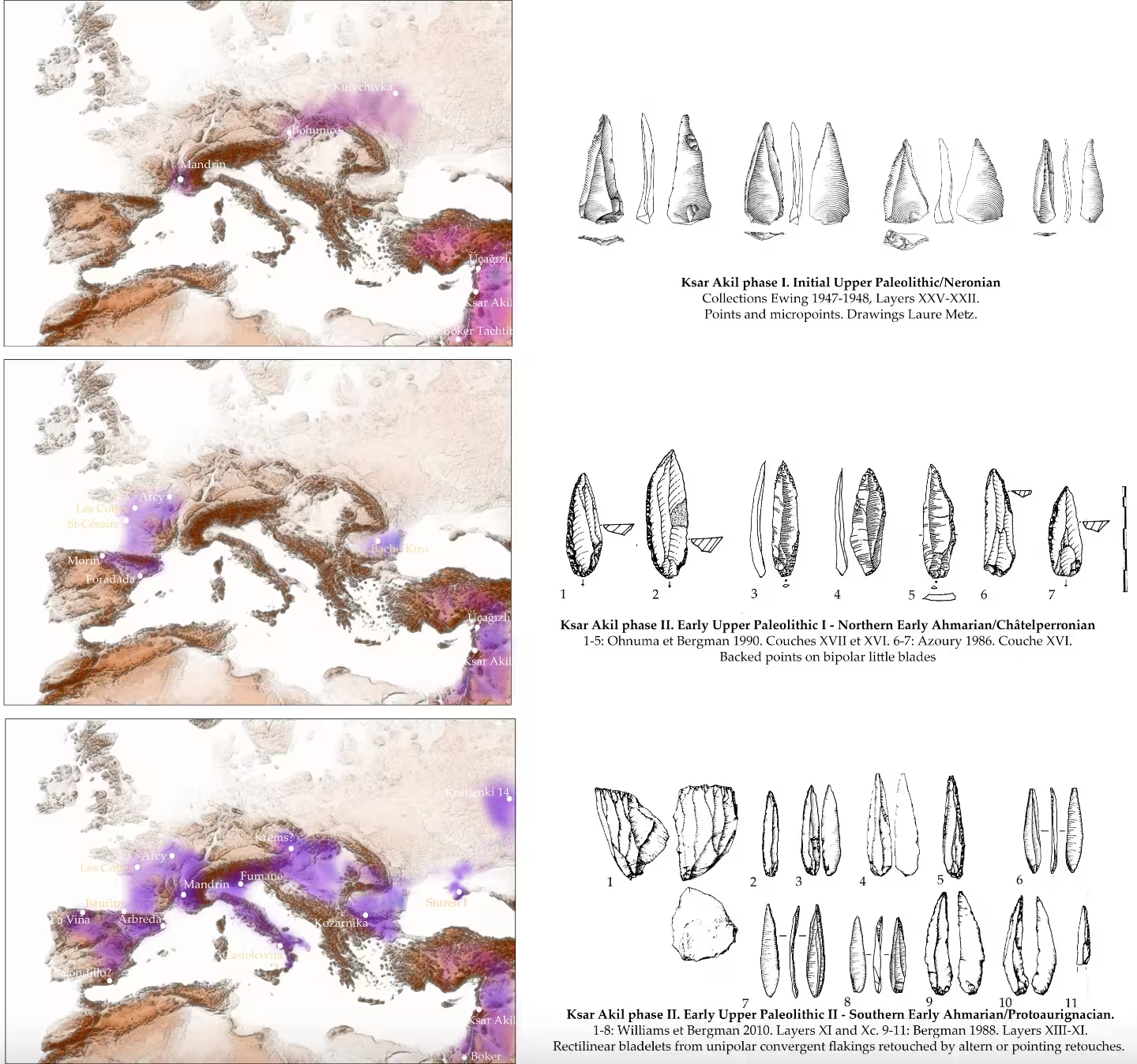
Three migration waves traced by stone tools
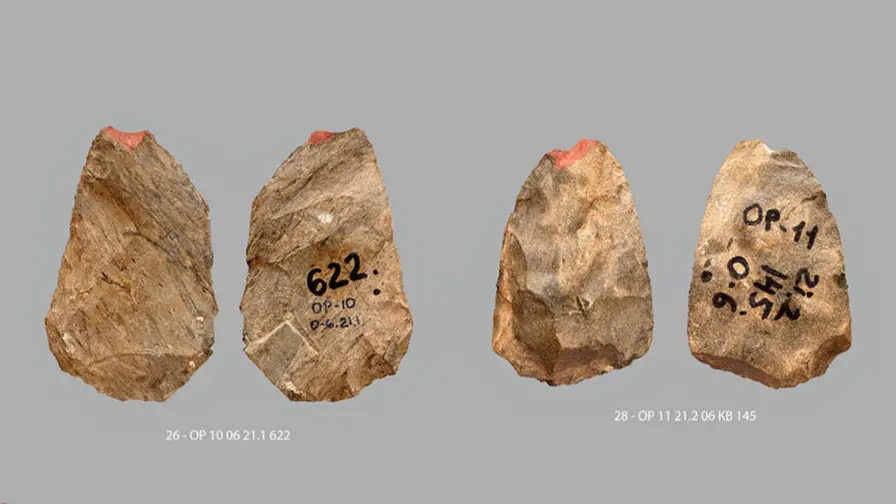
Archaeologists analyzing lithic technologies argue that Homo sapiens entered Europe in at least three distinct waves, each leaving behind recognizable tool traditions. Published evidence from tool assemblages suggests pulses of migration out of Africa, with each wave bringing new technologies and cultural practices that interacted with local populations. These patterns help explain regional changes in material culture during the Paleolithic and offer a timeline for when modern humans first expanded into temperate Eurasia.
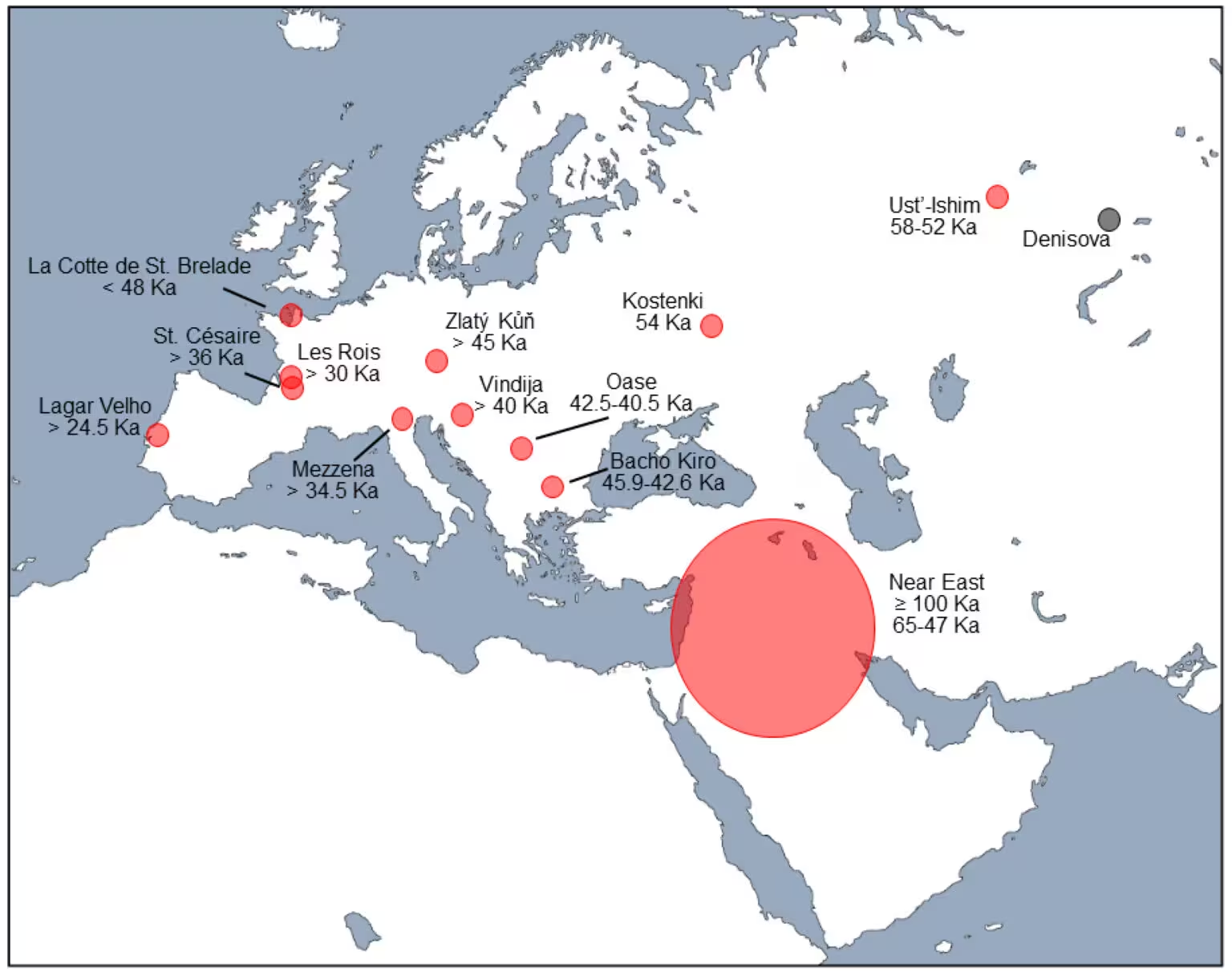
Rethinking Neanderthals: skilled neighbours and genetic contributors
New syntheses of archaeological and genetic data indicate Neanderthals were far more adaptable and cognitively capable than older stereotypes suggest. They crafted complex tools, used fire strategically, produced symbolic markings and may have engaged in sophisticated forms of communication. Genetic research shows that modern non-African humans carry traces of Neanderthal ancestry—evidence of interbreeding and biological exchange.
Why this matters for human evolution
Rather than viewing Homo sapiens and Neanderthals as entirely separate species, some researchers now favor describing them as distinct populations within a broader, common human lineage. That framing shifts the focus from clear-cut boundaries to networks of interaction: migration, cultural transmission and gene flow all shaped the course of human evolution. Understanding these processes helps researchers trace traits we inherited and how early humans adapted to new environments.
Future research and open questions
Ongoing excavations, improved dating techniques and ancient DNA sampling will refine the timing and scale of migrations and interbreeding events. Each new tool assemblage or genomic sequence adds a piece to a complex story—one that reveals our ancestors were not solitary pioneers but part of a connected human landscape.

Leave a Comment
Comments
No comments yet. Be the first.