
2 Minutes
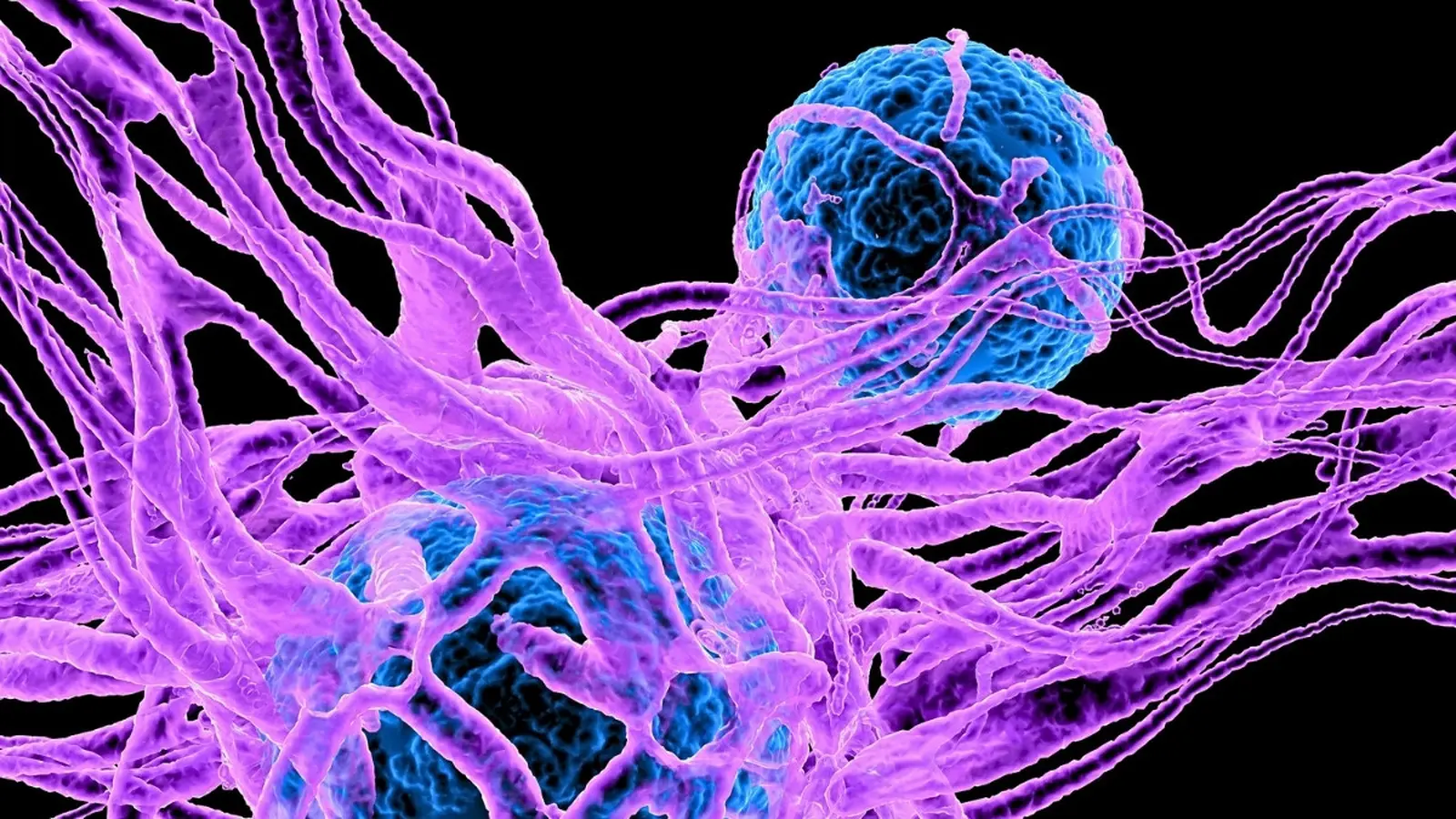
Recent laboratory findings suggest a surprising link between serotonin, selective serotonin reuptake inhibitors (SSRIs) and cancer biology. Far from proving harm, some early studies indicate SSRIs may interfere with tumour growth or cancer-related pathways—but much more research is needed before doctors change practice or patients alter their prescriptions.
Why researchers are studying serotonin beyond mood
Serotonin is best known as a brain neurotransmitter tied to mood and sleep, but it also acts widely across the body—affecting metabolism, immune responses and cellular signalling. That broad activity has put serotonin under the microscope of cancer researchers. Laboratory experiments show serotonin can influence genes involved in cell division and survival, and SSRIs—the common antidepressants that boost serotonin signalling—appear to modify some cancer cell behaviours in vitro.
What the evidence shows so far
Cell-based studies have produced encouraging signals: SSRIs and serotonin-modulating approaches sometimes slow tumour cell proliferation or change epigenetic marks that control gene expression. These results raise the possibility that targeting serotonin pathways could make tumours less aggressive or more susceptible to surgery and other treatments.
Major challenges before clinical use
Promising lab data are only the first step. Scientists must identify which cancer-related genes are most affected by serotonin and determine whether these effects are consistent across tissue types. Delivering epigenetic drugs precisely to tumours is another hurdle—systemic drugs can have off-target effects that limit safety and effectiveness.
From petri dish to patient: the long road
Positive findings from in vitro experiments must be validated in ethically designed animal studies and then in rigorously controlled human clinical trials. Only large, well-conducted trials can show whether SSRIs or serotonin-targeted therapies reduce recurrence, improve surgical outcomes, or offer real benefits without unacceptable risks.
Why current SSRI users need not panic
Widely prescribed SSRIs are not proven drivers of cancer. On the contrary, early data hint that they might even have protective or therapeutic effects in some contexts. Still, clinicians and patients should wait for definitive trial results before changing treatment plans.
Looking ahead: targeted strategies and precision medicine
Future research will focus on mapping serotonin interactions across tissues, refining drug delivery to tumours, and combining serotonin modulation with existing therapies. If scientists can selectively alter serotonin signalling in cancer cells, tumours could become less invasive and easier to treat—potentially lowering recurrence rates and improving outcomes.


Leave a Comment
Comments
No comments yet. Be the first.