
5 Minutes
Mars, sulfur, and a surprising link to automotive concerns
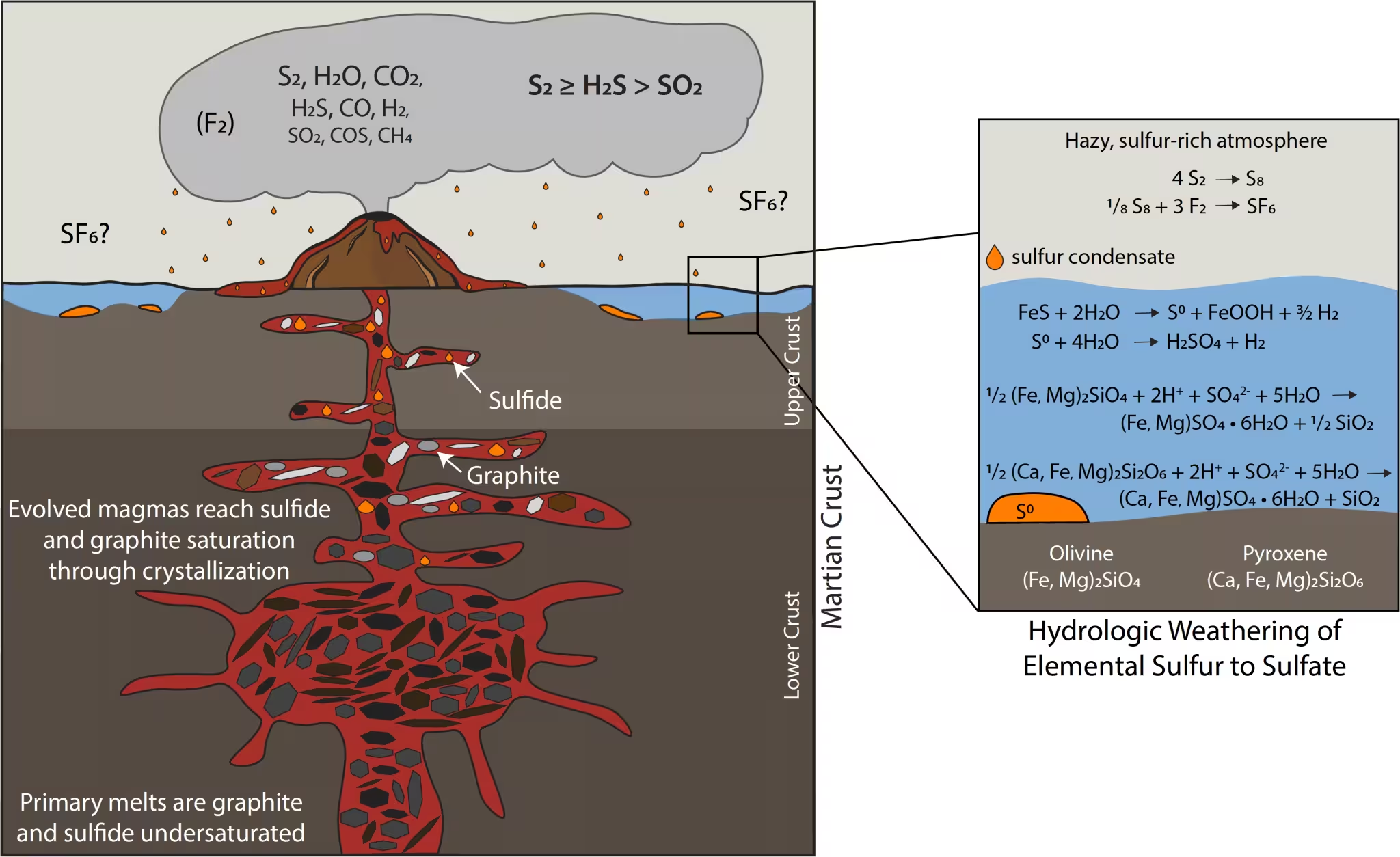
A new study from researchers at The University of Texas at Austin suggests that volcanic gases rich in reduced sulfur could have warmed early Mars and created environments that were potentially hospitable to microbial life. The findings, published in Science Advances, hinge on meteorite chemistry and more than 40 computer simulations that reconstruct how sulfur behaved deep in Martian magma before being released into the atmosphere.
Sulfur chemistry on an ancient planet may seem far removed from car reviews and EV headlines, but the overlap matters: sulfur-driven corrosion affects vehicle components, sulfur-derived gases influence power infrastructure for electric vehicles, and climate-modeling techniques used here echo the methods auto engineers use when simulating emissions and thermal management.
What the simulations show
Instead of the long-assumed dominance of sulfur dioxide (SO2), the team’s models point to large emissions of so-called reduced sulfur species—highly reactive molecules such as hydrogen sulfide (H2S), disulfur (S2), and possibly sulfur hexafluoride (SF6). SF6 stands out because of its extraordinary greenhouse potency and its known use in electrical insulation—an industrial link that ties back to EV charging and grid equipment.
Lead author Lucia Bellino, a doctoral student at UT’s Jackson School of Geosciences, explains that these reduced sulfur gases could foster a hazy atmosphere that ultimately traps heat and stabilizes liquid water at the surface. That warming effect, combined with hydrothermal chemistry similar to some extreme Earth environments, widens the window in which life-like processes could have occurred on Mars billions of years ago.
Why this matters
- The study used actual Martian meteorite compositions rather than only surface measurements, giving a clearer view of what magmatic sulfur looked like prior to degassing.
- More realistic gas chemistry changes early climate models and suggests complex sulfur cycling—switching between reduced and oxidized forms—was common.
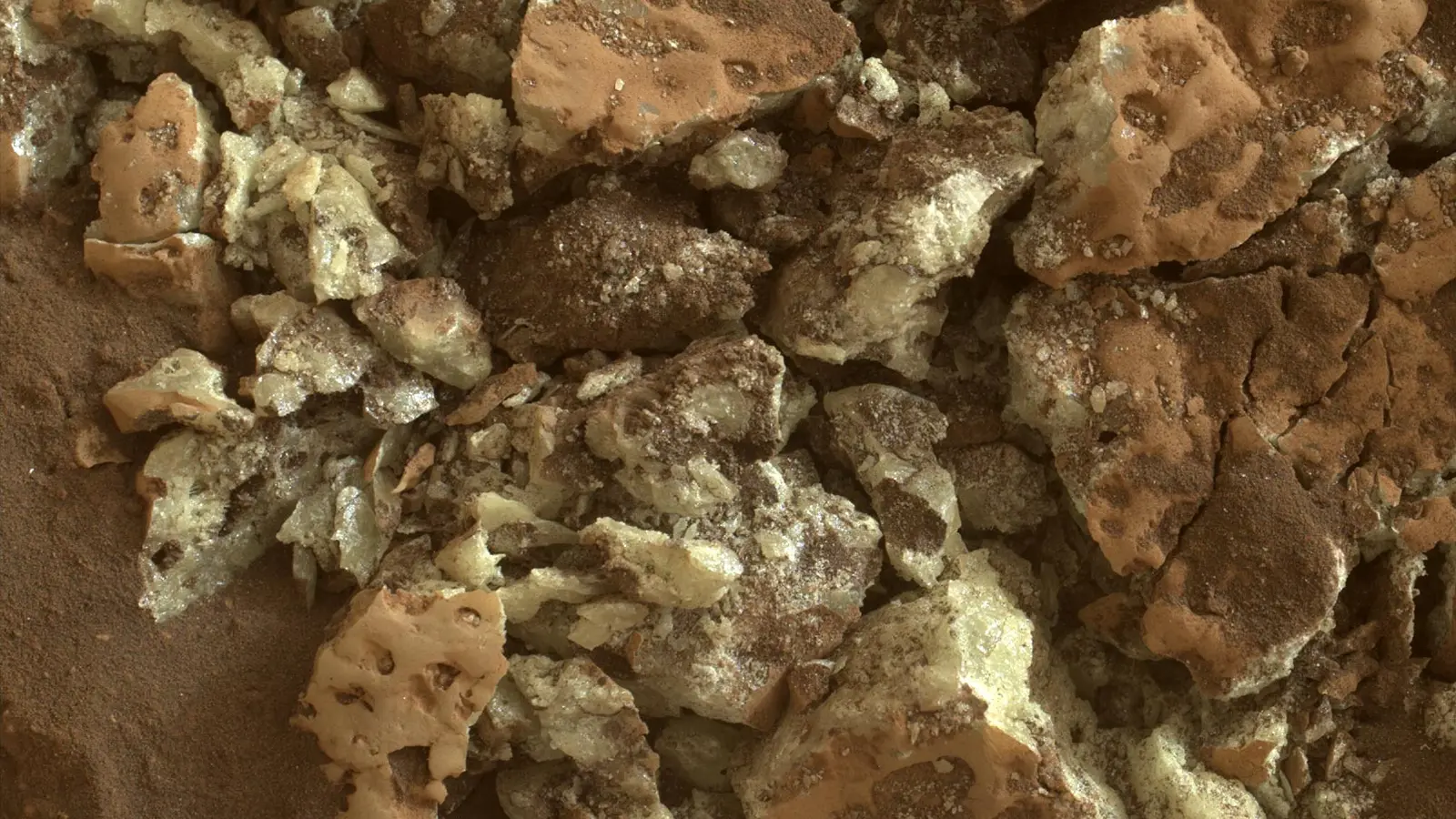
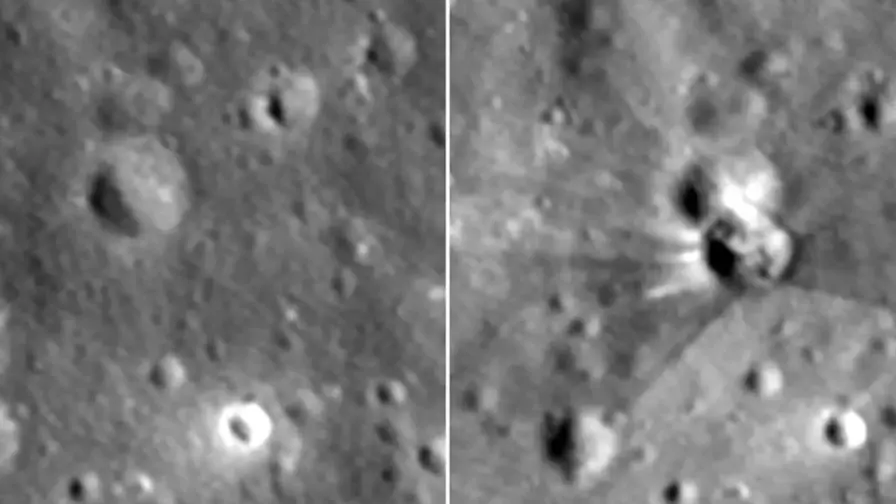
- NASA’s Curiosity rover accidentally crushing a rock and revealing elemental sulfur in May 2024 provided an unexpected observational tie-in that supports the simulations.
"When S2 is emitted it can precipitate as elemental sulfur," said Chenguang Sun, Bellino’s advisor. "Seeing elemental sulfur on the surface matched what our models predicted." That link from lab to field is the kind of validation that pushes a model from plausible to persuasive.
Curiosity’s off-road moment and a comparison to vehicles
The image of Curiosity rolling over a rock and revealing elemental sulfur reads like an extreme off-road test. Curiosity itself is a high-spec exploration vehicle: about 900 kg, six wheels, and powered by a radioisotope thermoelectric generator rather than gasoline or batteries. For car enthusiasts, that comparison is useful—rover wheels have been damaged by repeated rock encounters, much like tires and underbodies take a beating in off-road SUVs.
The automotive industry can learn from these missions: materials science for wheel hubs, suspension components, and corrosion-resistant alloys often takes cues from extreme environments. Sulfur compounds are notorious for accelerating corrosion in metals and degrading sensors—issues that engineers must anticipate for vehicles operating near volcanic regions or in heavy industrial atmospheres.

Electric vehicles, SF6, and the grid
SF6’s appearance in the paper is worth noting for an auto-industry audience. While SF6 is a powerful greenhouse gas in the atmosphere, it’s also widely used in high-voltage switchgear—equipment that will remain critical as EV adoption increases and charging networks expand. Industry engineers are already seeking SF6 alternatives or tighter containment because leaks have outsized climate effects.
For automakers and fleet operators planning massive EV rollouts, the tie between sulfur chemistry and grid equipment reinforces why resilient, low-leak infrastructure matters. Proper insulation and switchgear choices affect charging reliability, long-term emissions accounting, and regulatory compliance—topics frequently discussed in boardrooms as part of EV strategy.
What’s next for the researchers—and what car people might care about
The UT team plans to use their simulations to probe other habitability questions: Could volcanic activity have produced enough water to form lakes? Might reduced sulfur have served as an energy source for microbes in hydrothermal-like systems? Answers to these questions will sharpen timelines for warm periods on early Mars.
For the automotive community, there are practical takeaways:
- Materials selection must account for sulfur-rich environments to prevent accelerated corrosion of metal parts and sensors.
- Grid and charging infrastructure decisions—particularly around insulating gases—have climate implications that intersect with EV lifecycle emissions.
- Off-road vehicle design can borrow durability lessons from rover engineering, from wheel robustness to dust-sealing strategies.
Key quotes and highlights
"The presence of reduced sulfur may have induced a hazy environment which led to the formation of greenhouse gases...that trap heat and liquid water." — Lucia Bellino
Highlight: NASA’s discovery of elemental sulfur on Mars gave real-world support to a model-driven prediction—an example of how field data and simulation can advance both planetary science and applied engineering.
Final perspective
Mars research often feels remote, but the underlying science—materials behavior, gas chemistry, thermal modeling—has direct analogues in the automotive world. Whether it’s protecting EV batteries from corrosive environments, choosing safer insulating gases for charging infrastructure, or designing tougher off-road platforms, engineers and car enthusiasts can find practical lessons in the red planet’s sulfur story. And, on a more philosophical note, every discovery about a potentially habitable Mars invites us to reflect on how human-driven emissions, greenhouse gases, and engineering choices shape the habitability of planets—our own included.









Leave a Comment
Comments (2)
Is SF6 really plausible from Martian volcanoes? sounds like a stretch, or did I miss how it forms naturally? sensors could mistake it...
wow, Mars gas could affect EV grids? wild. SF6 link makes sense but also kinda scary, leaks matter. Curious about corrosion tests tho