
3 Minutes
Researchers at the University of Colorado Anschutz have uncovered a startling metabolic loop: alcohol triggers the body to make fructose, and that internally produced sugar appears to reinforce drinking and damage the liver. The discovery points to ketohexokinase (KHK) — the enzyme that processes fructose — as a potential target for treating both alcohol use disorder and alcohol-associated liver disease.
Alcohol, fructose and an unexpected biochemical feedback
We usually think of alcohol as a toxin that directly injures the liver. But this new work shows alcohol also rewires sugar metabolism. When ethanol is metabolized, it activates pathways that convert intermediates into fructose inside the body. Fructose is the same simple sugar found in many sweetened foods and drinks, and it has unique metabolic consequences compared with glucose.
What is KHK and why it matters
Ketohexokinase (KHK) is the enzyme that rapidly phosphorylates fructose, funneling it into biochemical routes that promote fat accumulation, inflammation, and scarring in the liver. The CU Anschutz team found that alcohol-driven fructose production relies on KHK — and that KHK activity appears to strengthen alcohol-seeking behavior as well as accelerate liver injury.
Mouse experiments: blocking KHK reduced drinking and liver damage
To test the connection, researchers used mice with genetically disrupted KHK and animals treated with KHK inhibitors. In voluntary-drinking assays the KHK-deficient mice drank markedly less alcohol and showed altered responses in reward-based behavioral tests. Brain regions tied to addiction displayed lower activity, implying a link between local fructose metabolism and alcohol craving.
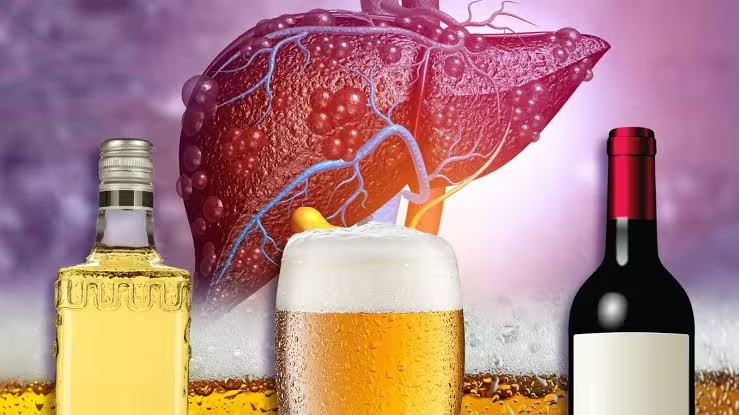
Liver outcomes were equally striking. Mice lacking KHK developed less steatosis (fat buildup), reduced inflammation, and minimal fibrosis compared with controls given the same alcohol exposure. Both genetic and pharmacological blockade of KHK blunted the biochemical cascade that normally leads from drinking to progressive alcohol-associated liver disease (ALD).
Why this could change treatment strategies
“Alcohol doesn't just damage the liver directly; it hijacks the body's sugar metabolism in a way that enhances drinking behavior and worsens liver injury,” said Miguel A. Lanaspa, DVM, PhD, associate research professor and senior author. Co-author Richard Johnson, MD, emphasized the broader reach of the finding: the same fructose-driven processes are implicated in metabolic steatotic liver disease, meaning a shared pathway may underlie both diet- and alcohol-related liver conditions.
That overlap is important. If drugs that inhibit KHK can safely reduce fructose processing in humans, they might both decrease alcohol cravings and protect the liver from injury — offering a two-pronged approach to alcohol use disorder (AUD) and ALD where few effective medical therapies currently exist.
Translational hurdles and what’s next
Mouse results don't always translate directly to people, so clinical trials will be essential. Key questions include whether KHK inhibitors are safe in long-term use, how they affect human brain reward circuits, and whether they can reduce drinking in diverse patient groups with coexisting metabolic disease. Researchers also want to understand which cell types in the brain and liver are most affected by fructose signaling.
For clinicians and patients, the take-home is clear: metabolic pathways once thought separate from addiction biology can actively shape behavior and organ injury. Targeting metabolic nodes such as KHK may offer new therapeutic pathways — turning a biochemical insight into a practical strategy to curb alcohol-related harm.


Leave a Comment
Comments
No comments yet. Be the first.