

6 Minutes
As daylight shrinks and evenings grow longer, many of us drift toward later dinners and extra snacking. But timing your evening meal could do more than curb hunger — it can influence sleep, mood and metabolism. New research from the growing field of chrononutrition suggests when you eat may be nearly as important as what you eat, especially during the darker months.
Why meal timing matters: circadian clocks and metabolism
Human physiology runs on circadian rhythms — internal, roughly 24-hour clocks that help coordinate sleep, hormone release, digestion and energy use. Light is the most powerful cue for these rhythms, so when daylight ends earlier in winter the body's internal timing shifts too. But food is a potent secondary signal: when we eat helps set peripheral clocks in organs such as the liver and pancreas, directly affecting how our bodies process calories.
Chrononutrition is the study of how meal timing interacts with these biological clocks. It shows that insulin sensitivity, the ability to burn fat and glucose tolerance vary across the day. In practical terms, that means the same meal eaten at 6pm is metabolized differently from the same meal eaten at 10pm.
Evidence is mounting. One controlled experiment found healthy adults who ate dinner at 10pm had about 20% higher blood sugar peaks and burned roughly 10% less fat than people who ate the same meal at 6pm, even with similar bedtimes. Larger reviews echo this: a meta-analysis of 29 trials reported that earlier eating windows, consuming most calories earlier in the day, and reducing late-night meals were associated with greater weight loss and improved metabolic markers such as blood pressure, blood sugar and cholesterol.
How winter amplifies the timing effect
Shorter days can weaken environmental time cues (or zeitgebers) that keep circadian rhythms synchronized. Less sunlight lowers serotonin and can contribute to seasonal affective disorder (SAD), while more time spent indoors increases opportunities for late eating and snacking. When dinner drifts late, digestion and sleep cycles overlap: stomach activity and hormone release that should be winding down can remain active at bedtime, worsening sleep quality and metabolic regulation.
Other lifestyle factors — stress, physical activity, temperature and the composition of meals — also shift circadian timing. But the seasonal drop in daylight makes timing food intake a particularly relevant and low-cost lever to help stabilize mood, energy and metabolic health through winter.

Practical guidance: timing, not rigidity
Should you move dinner earlier this winter? For many people, a modest shift toward earlier evening meals is beneficial. There are three key reasons:
- Metabolic alignment: Eating when insulin sensitivity and energy expenditure are higher (earlier in the day and early evening) supports better blood sugar control and fat oxidation.
- Improved digestion and sleep: Leaving two to three hours between your last meal and bedtime gives digestion time to slow, which can reduce nighttime reflux and promote deeper sleep.
- Stronger daily rhythms: A consistent eating window — preferably finishing the main meal before 8pm for many people — can act as a reliable time cue, helping anchor other rhythms when daylight is limited.
At the same time, there’s no one-size-fits-all rule. An elite athlete training in the evening may need a later, calorie-dense recovery meal to support performance and adaptation. For someone with a more sedentary lifestyle, an earlier, lighter dinner is often more appropriate. Think of meal timing as a flexible tool rather than a strict diet rule.
Simple strategies to try this winter
Small, sustainable changes usually work best. Here are practical tweaks supported by chrononutrition research and sensible physiology:
- Finish dinner earlier when possible — aim for 5:30pm–7:00pm or at least two to three hours before bedtime.
- Front-load calories: make breakfast and lunch more substantial while daylight and metabolic activity are higher.
- If you exercise late, schedule the main meal earlier and use a small, balanced recovery snack afterwards to support muscle repair without pushing a full meal too close to sleep.
- Keep a consistent daily eating window: finishing by ~8pm most nights can help circadian alignment.
- Track how timing affects your energy, mood and sleep for a week or two, then adjust. Small self-experiments reveal what works for you.
- Prioritize food quality: when you must eat late for social or work reasons, choose lighter, balanced options and avoid heavy, high-sugar meals near bedtime.

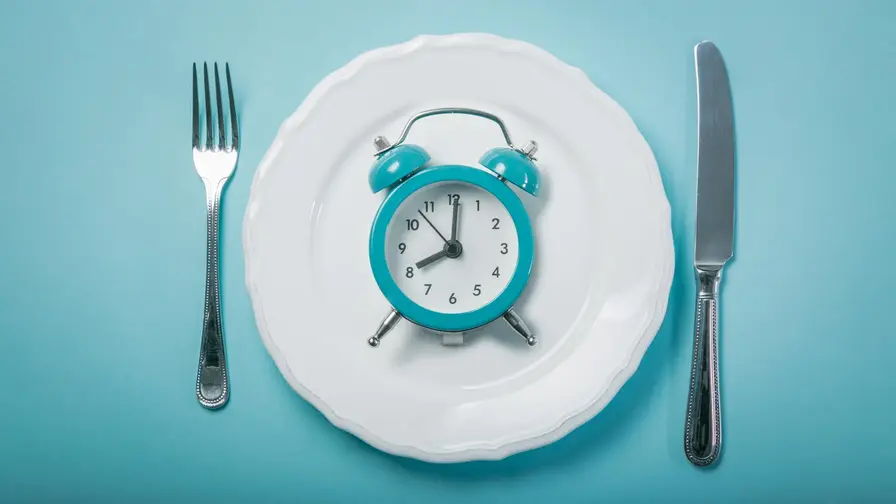
Try not to eat dinner too close to bedtime
Scientific context and implications

Understanding meal timing intersects with broader public-health questions. If simple timing changes — aligning eating windows with circadian biology — can improve blood sugar, blood pressure and lipids, then chrononutrition offers a scalable, low-cost complement to dietary composition and physical activity interventions. For clinicians, advising patients to consider the timing of their meals may enhance outcomes for weight management and metabolic disorders without prescribing restrictive eating patterns.
However, more research is needed to refine guidelines for different populations. Studies often vary in design, and real-world constraints — work shifts, cultural meal patterns and family life — complicate direct translation. Researchers are now exploring individualized timing prescriptions that factor in genetics, chronotype (morningness vs. eveningness) and lifestyle.
Expert Insight
"Meal timing is one of the most underused tools in metabolic health," says Dr. Elena Ruiz, a chronobiologist at the fictional Institute for Human Rhythms. "We know the body handles glucose and burns fat more efficiently earlier in the day. In winter, when light-based cues weaken, stabilizing the timing of meals can act like a backup clock. The goal isn’t perfection — it’s consistency and making choices that fit a person’s life while nudging their biology in a healthier direction."
Balancing evidence and everyday life
The research on chrononutrition gives concrete reasons to rethink late-night eating, especially during winter. But timing must be balanced with social needs, work schedules and exercise. A household that shares meals together may prioritize family dinner time over strict metabolic optimization, and that trade-off can be worthwhile for mental wellbeing.
Ultimately, the healthiest approach is an intentional one: choose meal times that support your sleep and energy patterns, emphasize whole foods, and keep the schedule consistent. If you find yourself routinely eating after 9pm and waking tired or wired, experiment with shifting dinner earlier by 30–60 minutes for a few weeks and note changes in sleep, mood and daytime alertness.
Where future research is heading
Scientists are investigating personalized chrononutrition — tailoring meal timing to chronotype, age and metabolic status. Trials are underway to test whether aligning meal timing with circadian markers (like melatonin onset) improves outcomes in people with obesity, type 2 diabetes and shift workers. Technology such as wearable monitors for glucose and sleep will also accelerate research and help individuals fine-tune timing strategies.
For now, the take-home is pragmatic: winter is a good season to pay attention to when you eat. Small shifts toward earlier dinners, a stable eating window and modestly front-loaded calories can help support metabolism, sleep and mood during the darker months, without demanding perfect adherence.

Leave a Comment
Comments (2)
Interesting, but is the evidence strong enough? 29 trials sounds ok, yet real life constraints... shift workers tho, how to apply?
Wow didn't expect timing to matter this much. Tried moving dinner earlier, sleep improved a bit, weird but cool.