
5 Minutes
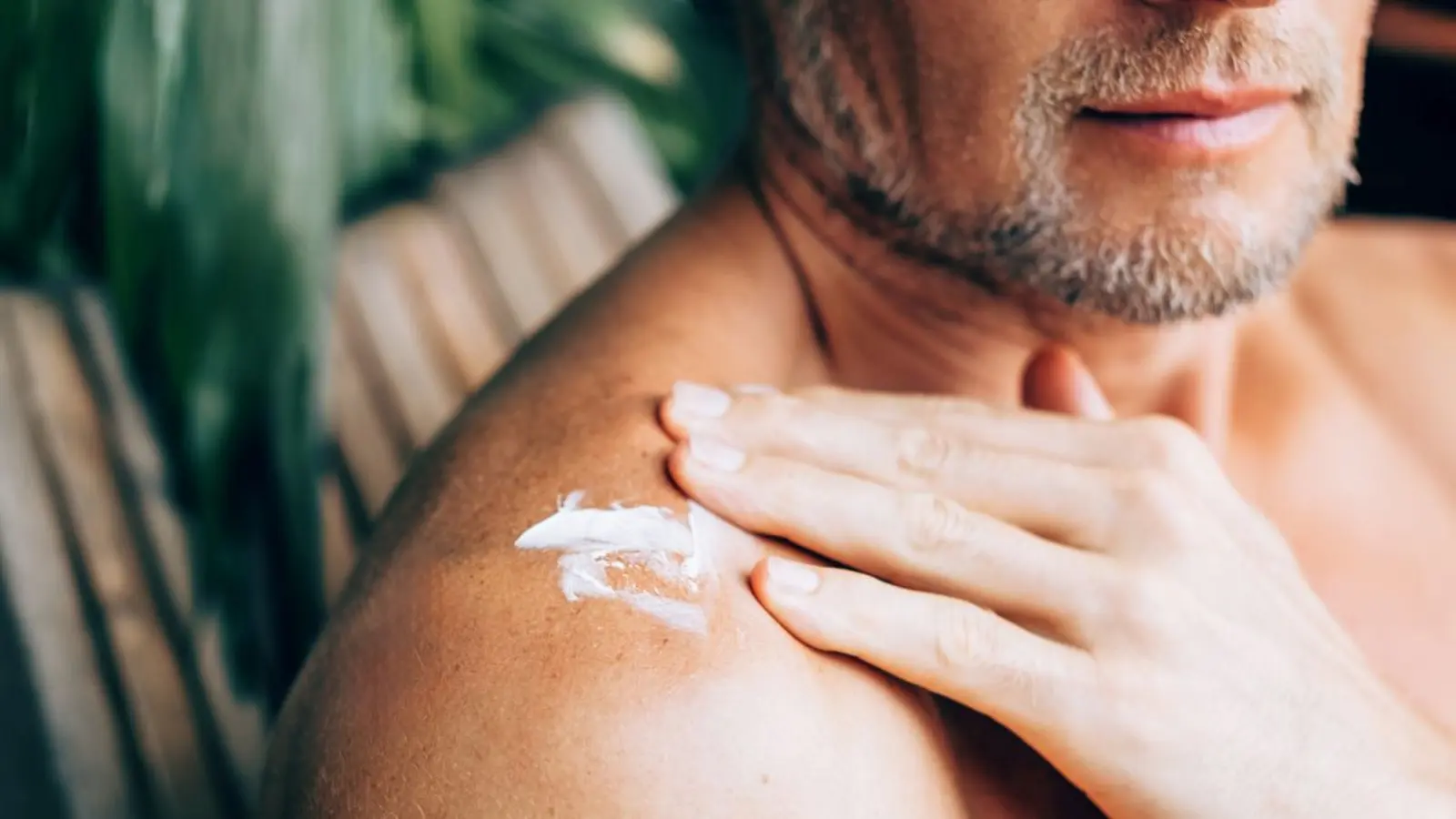
A new polymer-based topical treatment may one day allow people with diabetes to apply insulin like a lotion instead of injecting it. Recent laboratory and animal studies show a skin-permeable polymer can ferry insulin across the skin barrier, achieving blood-glucose control comparable to injections and lasting for hours.
Why transdermal insulin has been so hard
Delivering drugs through the skin — transdermal delivery — is attractive because it is noninvasive, pain-free, and simple to administer at home. Patches and creams can also smooth pharmacokinetics, releasing an active ingredient more gradually than a syringe bolus.
But the skin is a protective barrier by design. The outermost layer, the stratum corneum, is made of dead cells embedded in a lipid-rich matrix. Small, oil-friendly (lipophilic) molecules can slip between those lipids and diffuse into the body; large, water-loving (hydrophilic) molecules, like insulin, cannot. Insulin molecules are too large and too hydrophilic to mix with the skin’s oily exterior — they simply bounce off.
Turning a chemical trick into a delivery system
Researchers led by a team at Zhejiang University in China approached the problem by exploiting another skin property: its natural pH gradient. Skin surface is slightly acidic and becomes more neutral in deeper layers. The team engineered a polymer whose charge changes with pH, enabling it to interact with skin lipids on the surface and then release its cargo as it reaches neutral tissue beneath.
The polymer, poly[2-(N-oxide-N,N-dimethylamino)ethyl methacrylate] (abbreviated OP), is positively charged at acidic pH. That charge helps OP stick to the skin’s lipids and insert into the outer layers. As the conjugate moves inward, the polymer loses its positive charge at near-neutral pH and releases its payload. By chemically linking insulin to OP to form a conjugate called OP-I (or OP-1 in some reports), the hormone effectively hitchhikes through the barrier it previously could not penetrate.
What the experiments showed: mice, minipigs and human skin models
The team tested OP-I across multiple systems: lab-grown human skin samples, diabetic mice, and diabetic minipigs. In isolated human skin models, OP-I crossed the stratum corneum far more effectively than insulin alone or insulin mixed with traditional carriers such as polyethylene glycol (PEG).
In diabetic mice, topical OP-I lowered blood glucose to normal ranges within an hour — an onset similar to injected insulin — and maintained stable glucose levels for about 12 hours. When the researchers moved to diabetic minipigs, which are physiologically closer to humans, blood glucose also returned to normal within roughly two hours and remained controlled for a comparable duration.
Once inside the body, OP-I accumulated in tissues central to glucose regulation: liver, adipose tissue, and skeletal muscle. Cells internalized the conjugate, liberated the insulin, and activated insulin receptors, increasing glucose uptake and metabolism. Importantly, the transdermal route produced a more sustained insulin action than a standard subcutaneous injection, suggesting smoother glycemic control with fewer peaks and troughs.
Safety signals and broader potential
So far, the treatment produced no signs of local inflammation in animal tests — an encouraging sign for tolerability. The authors note, however, that human clinical trials are needed to confirm safety and efficacy in people, to study dosing, and to monitor any rare or delayed adverse effects.
The OP conjugation strategy could extend beyond insulin. According to the Zhejiang University team, the polymer is versatile and could enable transdermal delivery of other peptides, proteins, or nucleic acids — opening possibilities for noninvasive delivery of biologic drugs that today require injections.
Implications for people with diabetes
If adapted to humans, a topical insulin cream or patch could reduce the physical and psychological burden of frequent injections. For many patients, needle anxiety, injection-site pain, and the logistics of refrigerated insulin and syringes are major daily hurdles. A user-friendly transdermal formulation could improve adherence and quality of life while offering steadier glucose control.
Expert Insight
"This work cleverly harnesses a fundamental property of skin — its pH gradient — to solve a long-standing delivery problem," says Dr. Maya Patel, a clinical endocrinologist and diabetes researcher. "If the safety and dosing translate to humans, it could reframe how we administer many protein-based therapies. That said, clinical trials will need to confirm long-term tolerability and real-world effectiveness."
Next steps and what to watch
The pathway from promising animal data to approved human therapy is long. Researchers will need to optimize the polymer–insulin ratio, ensure batch-to-batch manufacturing control, and run phased clinical trials to evaluate efficacy across diverse patient populations. Regulatory hurdles include demonstrating consistent dosing, skin safety over repeated applications, and pharmacokinetic predictability.
Beyond technical and regulatory work, developers will also need to address practical matters: formulation stability at home temperatures, packaging that preserves activity, and clear dosing instructions for users with varying insulin requirements.

For now, OP-I represents a major step toward noninvasive insulin delivery. It reopens a conversation about making biologic medicines easier to use — and it gives credence to the idea that one day a tube of cream, not a syringe, might manage blood sugar for people with diabetes.

Leave a Comment
Comments (2)
Promising, but is this even true long term? Animal tests ok, skin reactions, dosing, storage, many q's. hope it pans out tho
wow, actually kinda mindblowing, if this works people with needle phobia will breathe easier. but humans first pls.. clinical trials pls?