
5 Minutes
New long-term monitoring from Colorado raises alarm: the youngest members of a familiar alpine species — the American pika — are becoming harder to find on a well-studied site in the Rockies. Researchers warn this shift could signal broader stress in high‑elevation ecosystems that provide critical water and biodiversity services.
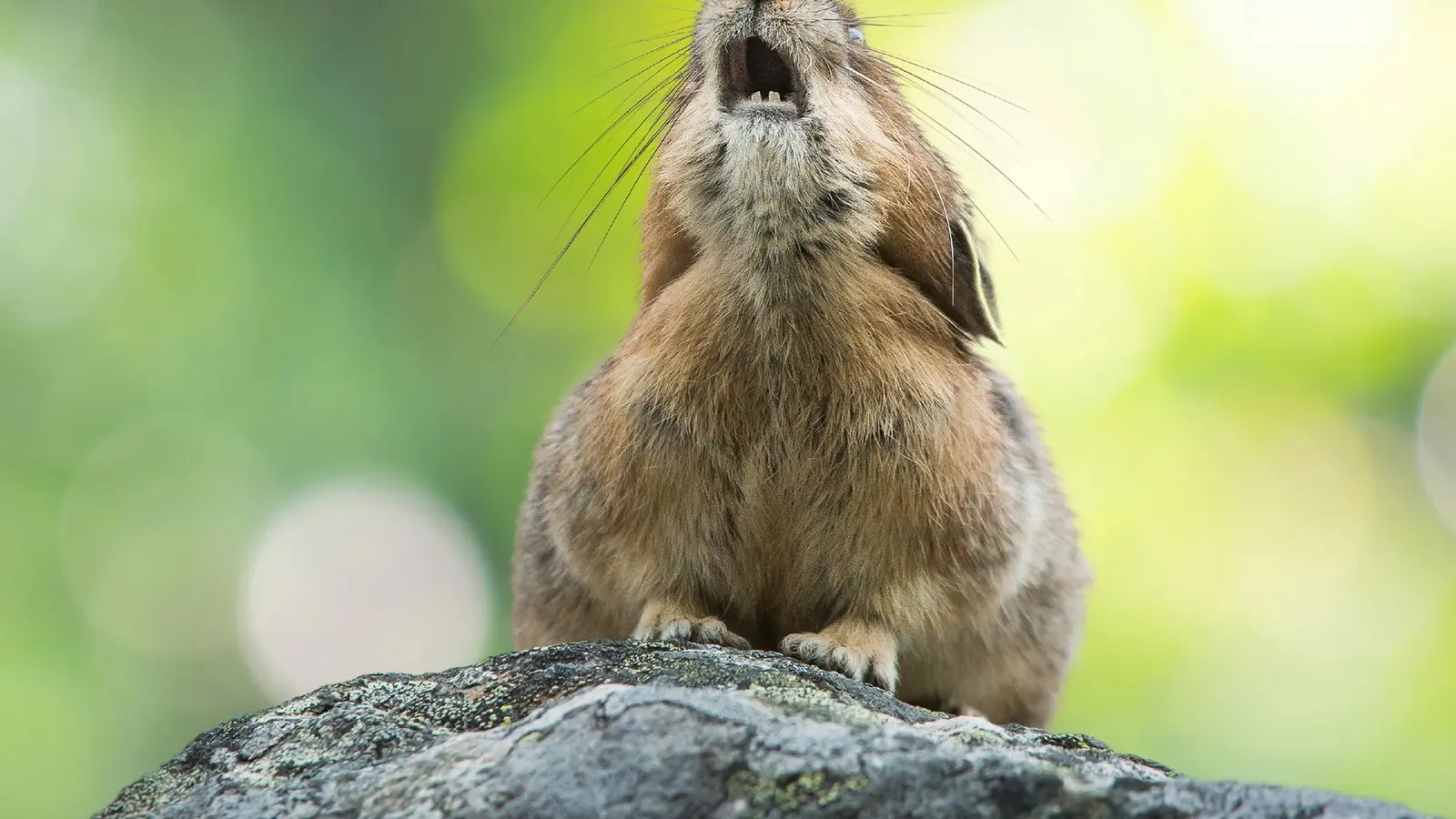
Pikas (genus Ochotona) are small, herbivorous mammals closely related to rabbits and hares, adapted to life in cold, high-elevation environments. Found in rocky talus slopes across alpine and subalpine regions, they are known for their round ears, dense fur, and distinctive alarm calls.
A quieting of the talus slopes
Scientists from the University of Colorado Boulder report a worrying drop in the proportion of juvenile American pikas at Niwot Ridge, a long-term ecological research site about 10 miles south of Rocky Mountain National Park. By comparing trapping and tagging records that begin in the 1980s with repeated surveys through 2020, the team found juveniles make up roughly half as many captures today as they did in the early monitoring period.
That doesn't necessarily mean the total pika population has collapsed, but it does suggest the local population is aging. Fewer young animals entering or surviving in the colony reduces resilience and long-term viability. In short: the hillsides are getting quieter.
Why juvenile pikas matter
Juvenile recruitment is a key demographic metric for wildlife conservation. When fewer juveniles are present, population momentum slows and genetic exchange between isolated mountaintop populations can weaken. Pikas are particularly useful as an indicator species because they live in a narrow thermal envelope and are tightly tied to rock‑pile (talus) habitat. Changes in pika demographics can signal broader shifts in alpine microclimates and hydrology, systems that supply water downstream.
From talus to tributary: an indirect link to water
Researchers emphasize that alpine zones act as natural water towers. Seasonal snowpack, frozen ground and late-melting permafrost store and slowly release water into rivers and reservoirs. Warming summers can accelerate melt and modify the microhabitats pikas and other alpine specialists rely on — which in turn can affect timing and quantity of downstream water supply.
What the Niwot Ridge study did — and didn’t — show
The study synthesizes data from two major monitoring efforts. In the 1980s, Charles Southwick and colleagues trapped and tagged pikas at Niwot Ridge, recording age classes and site fidelity. Beginning in 2004, and more intensively between 2008 and 2020, CU Boulder researchers resumed similar protocols to create a multi‑decadal comparison.
According to lead author Chris Ray of the Institute of Arctic and Alpine Research (INSTAAR), the proportion of juveniles captured declined by roughly 50% compared with the 1980s baseline. Ray — who has studied pikas across the American West for more than three decades — notes that pikas are especially sensitive to temperature extremes because they cannot shed heat by panting or sweating; they depend on cool microhabitats within talus to regulate body temperature.
Importantly, the team does not claim a definitive, single cause for the decline in juveniles at this site. The evidence is correlative: summer temperatures in the Rockies have risen, and past models have predicted population contractions for pikas under future warming. Still, local declines in juvenile recruitment are consistent with worries that warming reduces safe travel corridors between rocky habitats and increases mortality risks for young animals forced to cross hotter, lower elevations.


Chris Ray makes notes during a survey of pikas in Colorado’s Indian Peaks Wilderness
Migration barriers and life-history limits
Pikas are poor long-distance dispersers. To move between isolated talus fields, an individual often must descend into warmer valleys before climbing another mountain — a risky journey for a species adapted to cold. Juveniles, which are less experienced and physically smaller, may be especially unlikely to survive such crossings as low‑elevation temperatures rise.
Life-history constraints also matter: prolonged heat stress can reduce reproductive success, change vegetation phenology (the timing of plant growth and flowering) and limit the food resources young pikas need to reach independence. All of these pathways can depress juvenile presence on surveyed talus slopes without immediately reducing adult counts.
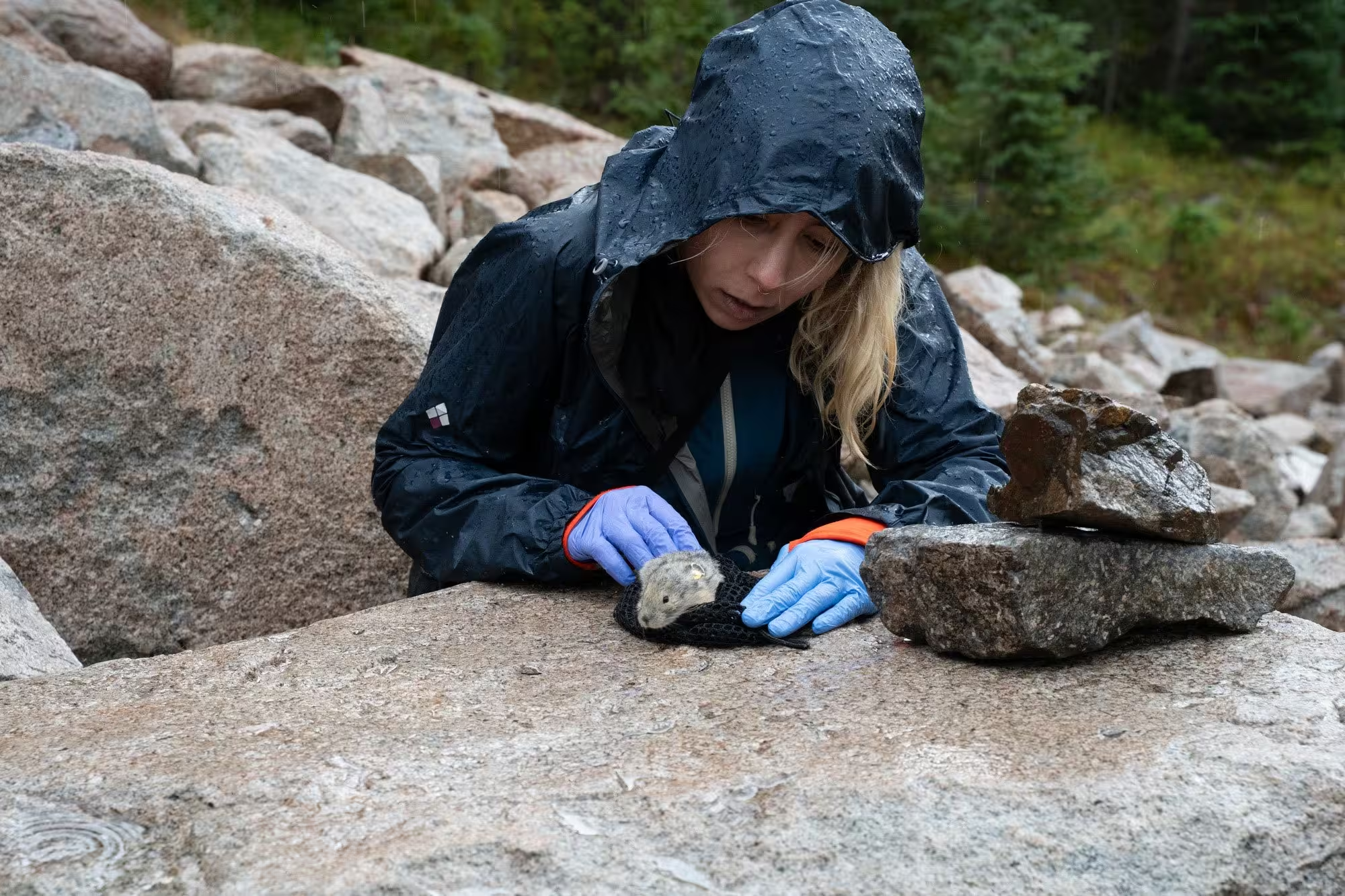
Graduate student Rachel Mae Billings releases a pika after collecting data in Colorado’s Indian Peaks Wilderness
Wider implications for alpine biodiversity
Pikas are a flagship species for alpine conservation because they are visible, vocal and occupy discrete habitats that are simple to monitor. A local drop in juvenile recruitment raises red flags about microclimate stability, habitat connectivity, and the capacity of alpine systems to adapt. If similar trends occur across other sites, we could see cascading effects on alpine plant communities, insect assemblages, and other cold‑adapted fauna.
Expert Insight
“Pikas are like the canary in the high-elevation coal mine,” says Dr. Elena Morales, a fictional alpine ecologist with two decades of field experience in western mountains. “When juveniles start to vanish, it tells us the environment is changing faster than populations can respond. Monitoring these early life stages gives us an early warning signal — and a chance to prioritize connectivity and microhabitat protection.”
What comes next for monitoring and management?
The Niwot Ridge findings underscore the importance of long-term ecological records. Continued, standardized surveys across multiple sites will help determine whether the trend in juvenile pikas is a local anomaly or part of a regional pattern. Management responses could include protecting corridors of cool microhabitat, conserving talus and surrounding alpine meadows, and incorporating pika vulnerability into watershed and climate adaptation plans.

For hikers and naturalists, the message is both practical and poignant. Those sharp pika calls that punctuate alpine trails are not just a charming sound; they are a signal of an ecosystem’s health. Losing the younger generation of these animals could mean quieter summits and a less resilient high country — with consequences that stretch well beyond the talus.

Leave a Comment
Comments (2)
hmm, is this even true? Could trapping bias explain fewer juvenile captures, or is it climate stress across peaks? more sites pls
Whoa this is depressing... talus getting quiet, juveniles vanishing? If young keep dropping the whole alpine fabric could unravel. Urgent.