

4 Minutes
Many people with diabetes focus on eyes, feet and kidneys, while one of the most immediate consequences of the disease goes unnoticed: the mouth. Painful gums, persistent dry mouth and rapid tooth decay are common, and they do more than affect comfort. They can worsen blood sugar control and overall health.
Why the mouth matters in diabetes
Diabetes changes how the body handles glucose. Chronically elevated blood sugar damages small blood vessels and nerves, impairs immune responses and slows healing. The oral cavity is a complex environment of soft tissues, hard structures and a diverse bacterial community, making it especially vulnerable when systemic control falters.
Globally, about one in nine adults has diabetes, and many remain undiagnosed. Projections suggest that by 2050 roughly one in eight adults could be affected, an increase that will raise the burden of diabetes-related oral disease alongside cardiovascular, kidney and eye complications.
Common oral complications linked to diabetes
People with diabetes face a range of mouth problems that are interconnected and often cyclical:
- Gum disease (periodontitis): High blood sugar increases sugar in saliva, feeding harmful bacteria. These bacteria produce acids and inflammatory compounds that damage gum tissue and the bone supporting teeth, which can lead to tooth loosening and loss.
- Dry mouth (xerostomia): Reduced saliva flow is common, aggravated by some blood pressure, antidepressant and neuropathic pain medications. Saliva normally buffers acids, washes food debris and supplies minerals that protect enamel; without it, decay risk rises.
- Dental decay and severe caries: Changes in saliva composition and prolonged high glucose create an acidic environment ideal for cavity formation. Recent studies show a clear association between poorly controlled type 2 diabetes and more severe decay.
- Oral infections: Fungal infections such as thrush, persistent mouth ulcers and denture-related lesions are more likely because healing and immune defence are compromised.
How oral problems affect overall diabetes management
Oral disease is not just a local issue. Painful gums and missing teeth can reduce dietary variety and nutritional quality, making blood sugar harder to stabilize. Inflammation in the mouth releases molecules that can worsen insulin resistance and systemic inflammation, forming a two-way relationship: diabetes worsens gum disease, and gum disease can make diabetes harder to control.
Practical prevention and care that really works

Prevention is both medical and behavioural. Small, consistent habits make a measurable difference:
- Maintain tight blood sugar control alongside medical care for diabetes to reduce risk and improve healing.
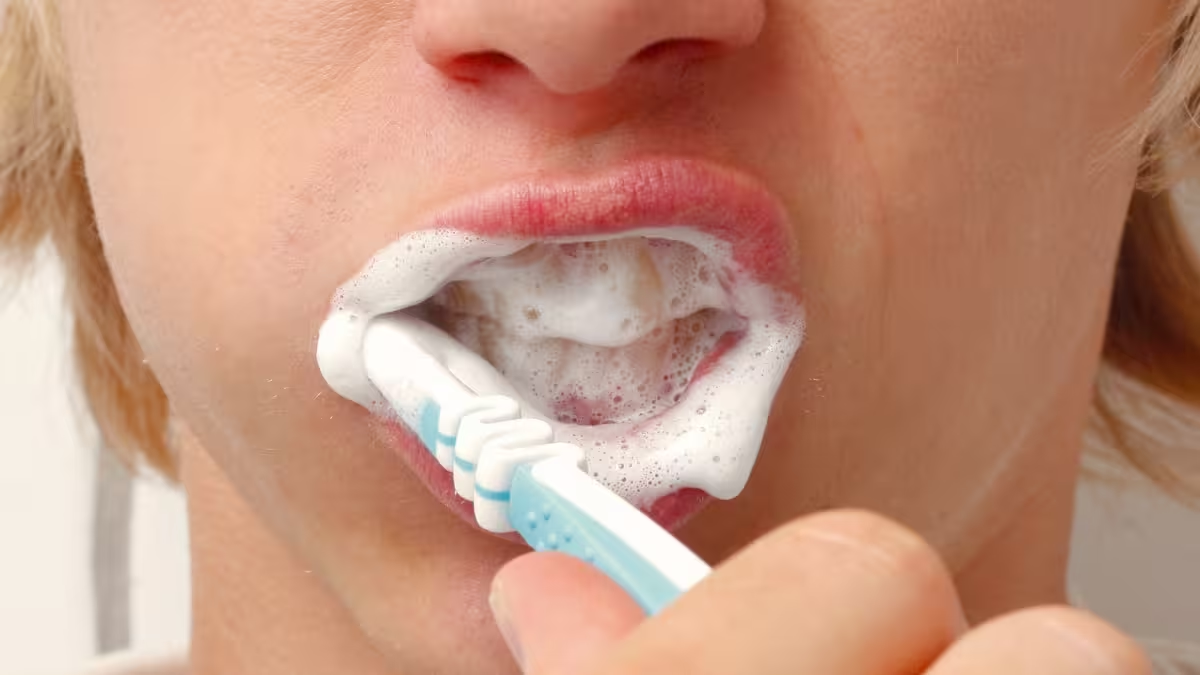
- Brush twice daily with fluoride toothpaste and clean between teeth daily using floss or interdental brushes.
- Stay hydrated and, when appropriate, use sugar-free chewing gum or saliva substitutes to counter dry mouth.
- Schedule regular dental visits for risk assessment, professional cleanings and personalised prevention plans such as fluoride varnishes or high fluoride toothpaste.
- For denture wearers, daily cleaning, removing dentures at night, and brushing gums and tongue reduce complications and improve comfort.
Simple clinical measures can substantially reduce progression from early gum inflammation to severe periodontitis and tooth loss. Dentists can tailor interventions for patients with high decay risk, including topical fluoride applications and specialised mouthwashes.
Dental treatments and diabetes: what to expect
Some restorative options require careful medical assessment. Dental implants, for example, need healthy soft tissues, stable bone and good glycaemic control. Elevated blood glucose slows bone healing and raises infection risk, so clinicians evaluate HbA1c and systemic stability before recommending implants. When diabetes is well managed, many patients have successful implant outcomes, but personalised planning is essential.
Expert Insight
Dr Maria Hendricks, a clinical oral epidemiologist, says: 'Oral health is often the missing piece in holistic diabetes care. We see clear evidence that controlling blood sugar reduces oral complications, and conversely, treating gum disease improves metabolic outcomes for some patients. Integrating dental checks into routine diabetes care would change lives.'
What clinicians and patients can do next
Stronger communication between medical and dental teams is critical. Primary care providers should ask patients about oral symptoms, and dentists should be aware of a patient s diabetes status and glycaemic control. Public awareness campaigns and clinical guidelines that highlight the bidirectional link between diabetes and oral health would help close gaps in care.

Imagine enjoying meals again without pain, restoring confidence with a complete smile and preventing complications through coordinated care. For people with diabetes, that outcome is within reach by combining medical management, targeted dental prevention and everyday oral hygiene.













Leave a Comment
Comments (2)
Wait is this even true? I've seen ppl with diabetes lose teeth fast, but how strong is the evidence, any studies? kinda worried now, tbh
Wow, never thought dentist visits mattered for diabetes! Painful gums, dry mouth… makes sense but scary. If that's real then… need to book a checkup asap, ugh