
4 Minutes
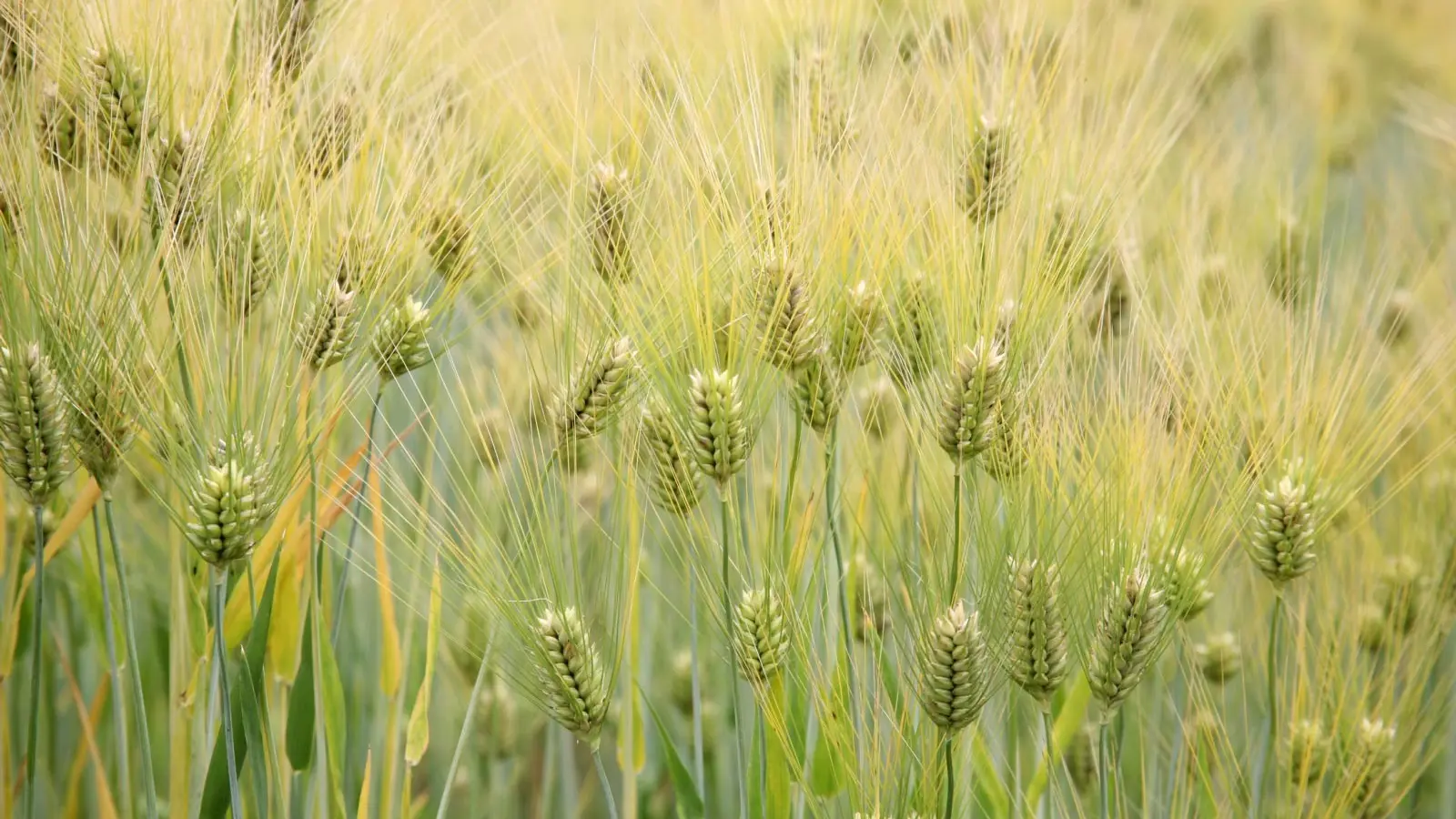
Researchers at Aarhus University report a surprising molecular shortcut that might help staple crops make their own fertilizer. By changing only two amino acids in a root receptor protein, scientists can flip a plant’s response from defense to cooperation — a shift that could cut dependence on synthetic nitrogen fertilizer and reduce agriculture’s carbon footprint.
From fertilizer reliance to natural nitrogen partners
Plants need nitrogen to build proteins and grow, but most major crops — wheat, maize, barley, rice — rely on industrial fertilizer. Producing those fertilizers consumes roughly two percent of global energy and generates substantial CO2 emissions. By contrast, legumes such as peas, clover and beans get nitrogen for free through a biological partnership: bacteria in their root nodules convert atmospheric nitrogen into plant-accessible forms. If this biological trick could be extended to cereals, the implications for sustainable agriculture would be enormous.
A molecular switch that decides friend or foe
So how do some plants welcome helpful bacteria while others slam the door? Plants read chemical signals in the soil with receptor proteins on root cells. These receptors evaluate microbial cues and then trigger either immune defenses or an opening for symbiosis. The Aarhus team identified a tiny region in one such receptor — labeled Symbiosis Determinant 1 — that acts much like a switch.
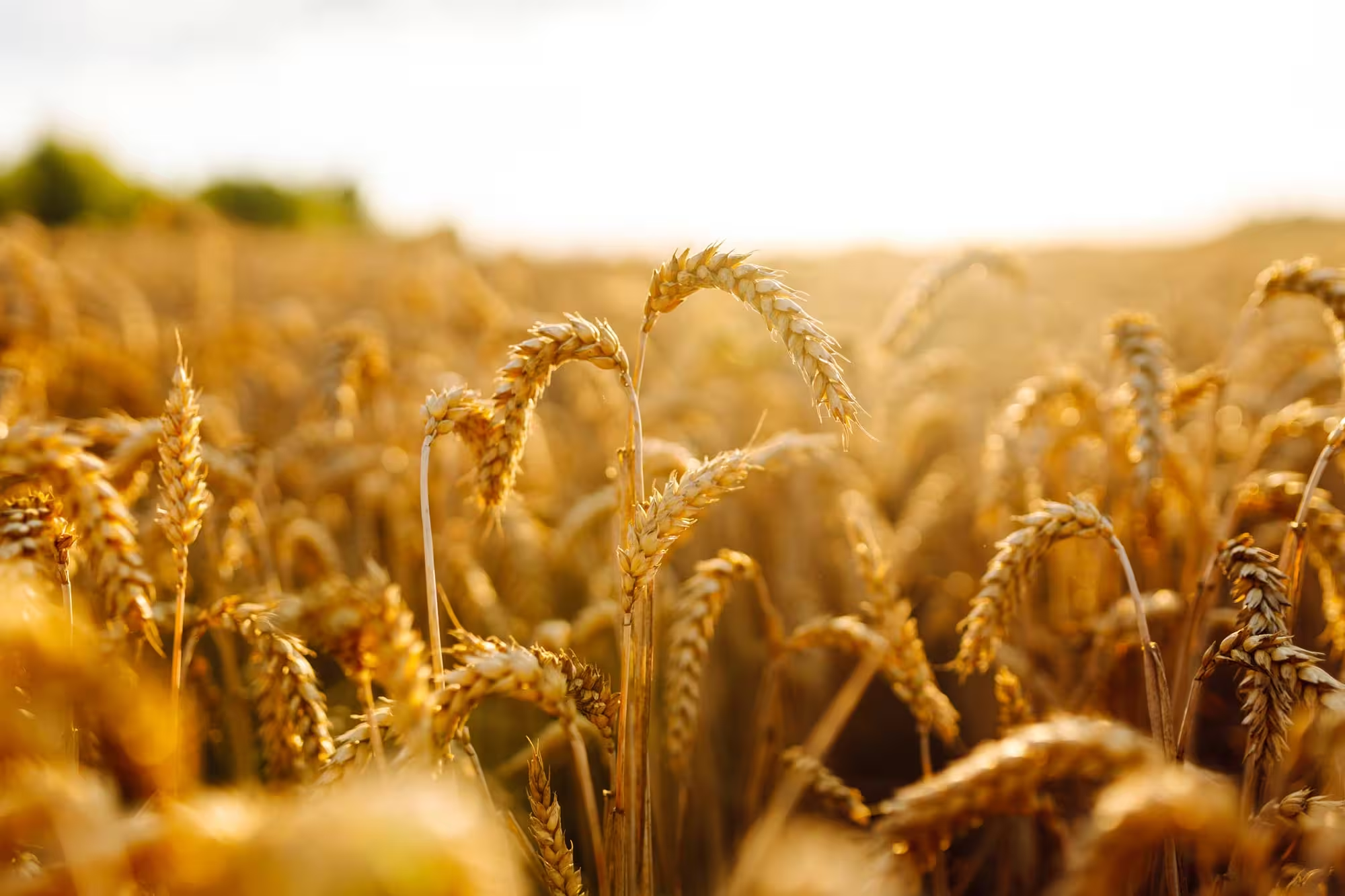
Two subtle molecular tweaks may help transform everyday crops into their own fertilizer producers.
Two amino acids inside that region determine the message passed into the cell. Change those two building blocks and a receptor that normally raises the alarm can instead allow nitrogen-fixing bacteria to colonize the root. "We are one step closer to a greener and climate-friendlier food production," the researchers write, and lead authors Kasper Røjkjær Andersen and Simona Radutoiu describe the finding as “remarkable and important.”
Lab proof: lotus and barley respond the same way
In controlled experiments the team first modified the model legume Lotus japonicus, demonstrating that the receptor tweak allowed symbiosis with nitrogen-fixing bacteria. Then they applied the same precise modification to barley and observed a comparable shift: the modified barley receptors permitted bacterial partnership where unmodified receptors did not. "It is quite remarkable that we are now able to take a receptor from barley, make small changes in it, and then nitrogen fixation works again," says Kasper Røjkjær Andersen.
Why two amino acids matter
- Amino acids are the building blocks of proteins; changing one or two can alter a protein’s shape or how it interacts with other molecules.
- Here, the altered amino acids appear to change the receptor’s interpretation of bacterial signals — turning a defensive response into permission for symbiosis.
- This is not a universal switch for all crops yet; it’s a critical clue among several required changes to recreate legume-like nitrogen fixation in cereals.
Implications for global agriculture and climate
Replacing synthetic fertilizer with biological nitrogen fixation in major crops could dramatically lower energy demand and greenhouse gas emissions from farming. Fewer fertilizer inputs would alleviate runoff-driven eutrophication in waterways and reduce the costs and labor associated with fertilizer application. Still, the path from lab success to field-ready varieties is long: plants must tolerate diverse soils, climates, and microbial communities, and any engineered trait would need thorough ecological and safety assessment.
"Only very few crops can perform symbiosis today. If we can extend that to widely used crops, it can really make a big difference on how much nitrogen needs to be used," says Simona Radutoiu, stressing that additional genetic keys remain to be found.
Next steps: mapping the full toolbox
The receptor tweak provides a high-value target for plant breeders and molecular biologists, but it is likely one component of a multi-gene solution. Researchers will need to identify additional genes and signaling pathways that enable the formation of root nodules, support stable bacterial communities, and ensure yield and resilience under field conditions. Integrating this biology into major cereals will also require careful breeding strategies and regulatory pathways for any genetic modifications.
Expert Insight
"This discovery is a pivotal piece of the puzzle," says Dr. Maya Thompson, a plant molecular biologist at the University of Cambridge. "Two amino acids may sound trivial, but biology often hinges on tiny changes. Translating this into crops that farmers can grow at scale will demand a systems-level approach — combining genetics, microbiome engineering, and field agronomy — but the potential payoff for climate-smart agriculture is huge."
As researchers worldwide build on these findings, the goal is not only scientific novelty but practical impact: lowering fertilizer dependence, cutting emissions, and improving food security. The Aarhus study is a concrete step toward crops that cooperate with microbes rather than battling them — a small molecular nudge that might one day reshape farming.









Leave a Comment
Comments (2)
is this even safe? changing two AAs seems tiny but could ripple through soil microbes and yields, skeptical — need long term field data
Wow, that's wild, two amino acids flipping a plant from defense to cooperation?! If this can work in wheat or maize it'd be huge, but field tests will tell. Long road, fingers crossed