
4 Minutes
The Arctic has just recorded its warmest 12-month stretch since observations began, a stark signal of accelerating climate change in the planet's coldest region. The latest scientific synthesis ties this record heat to shrinking sea ice, faster melting of Greenland's ice sheet, shifting ocean circulation and a cascade of ecological and societal consequences.
How extreme warmth was measured and why it matters
From October 2024 through September 2025, the Arctic averaged roughly 1.6°C above the 1991–2020 baseline, according to an annual assessment compiled by a U.S. science agency and its partners. That departure from the mean is unusually large for a single year and represents a continuation of an accelerating trend known as Arctic amplification — the process by which high-latitude regions warm faster than the global average.
Arctic amplification arises from a set of reinforcing feedbacks. Warmer air holds more moisture, strengthening a heat-trapping atmospheric blanket. At the same time, melting sea ice reduces the region's reflective surface, exposing darker ocean water that absorbs more solar energy. Those changes amplify regional warming and alter weather patterns far beyond the pole.
Sea-ice retreat: immediate risks and long-term changes
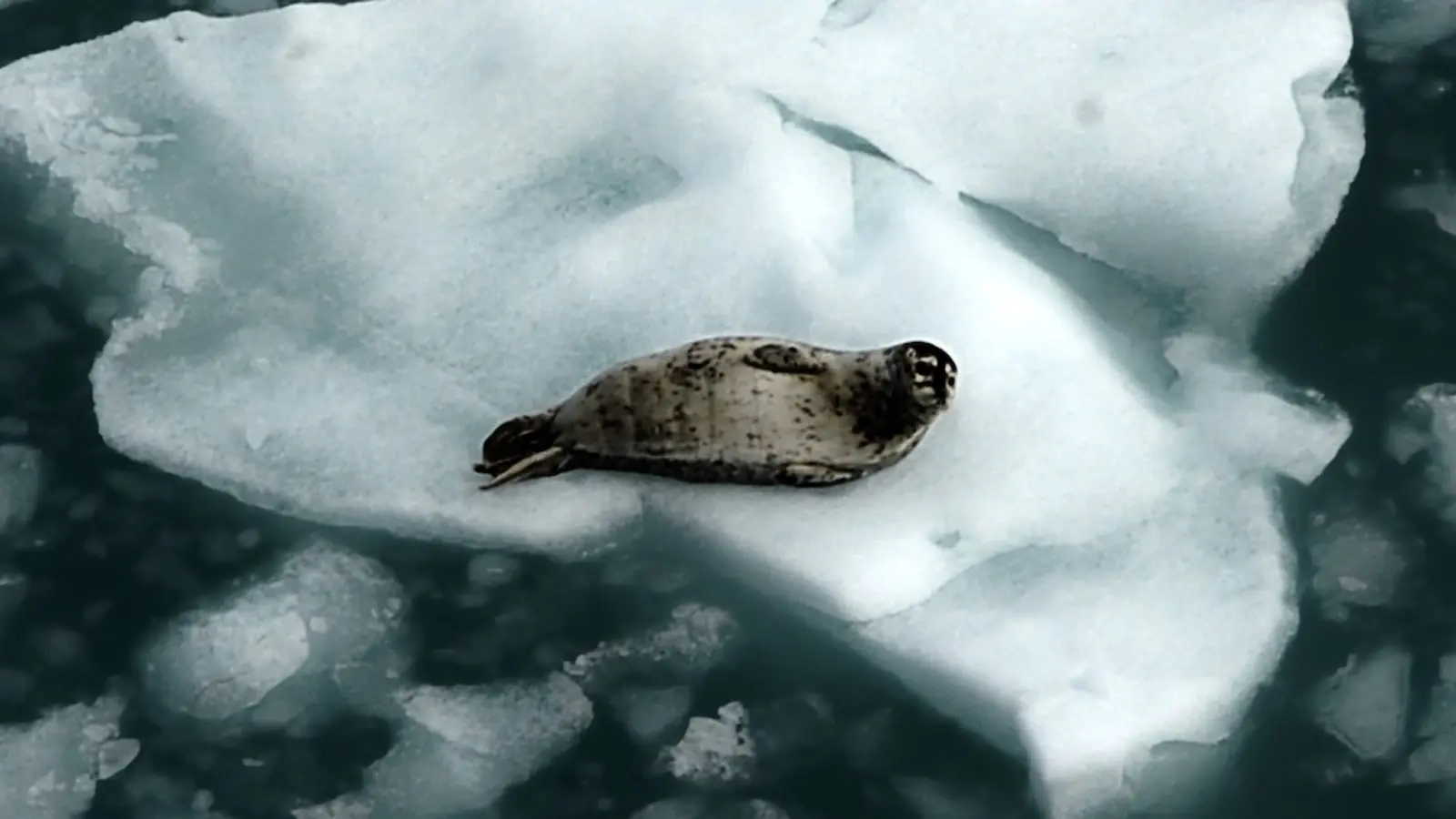
Spring 2025 produced the smallest seasonal maximum sea-ice extent in the 47-year satellite record. The dramatic shrinkage of winter and spring ice creates immediate challenges for wildlife that rely on pack ice as a platform — polar bears, seals and walruses use ice for hunting, resting and rearing young. Researchers warn that continued ice loss could make entire summer seasons virtually ice-free within decades.
Loss of sea ice also has oceanographic consequences. Melting ice and increased Arctic precipitation inject freshwater into the North Atlantic, reducing surface salinity and density. That can weaken the mechanism that drives deep water formation and the Atlantic Meridional Overturning Circulation (AMOC), which includes the Gulf Stream and plays a critical role in moderating European climate.
"Rapid changes in Arctic ice cover are reshaping ecosystems and the ocean circulation that influences weather across the Northern Hemisphere," said a co-author of the report, summarizing how local warming has global effects.
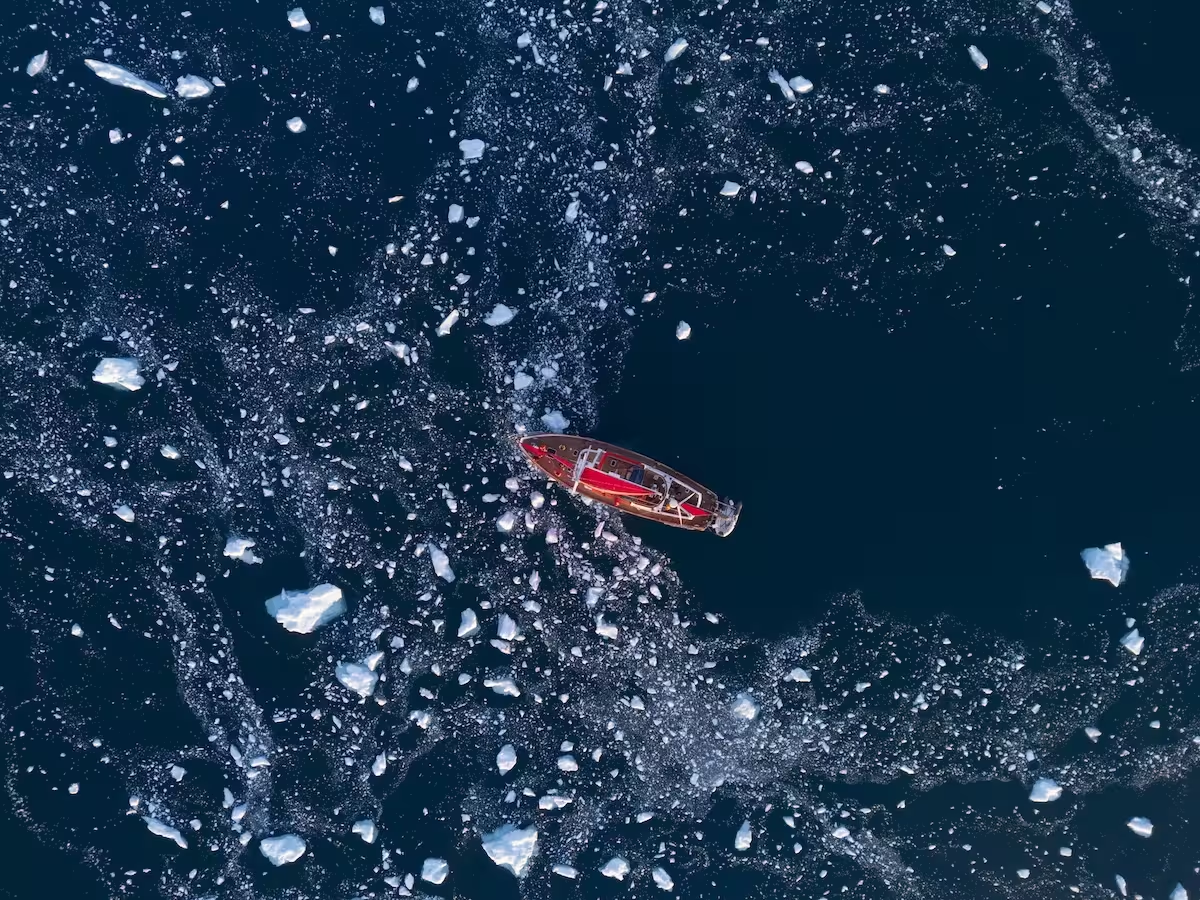
Loss of reflective sea ice exposes the light-absorbing waters below
Greenland's ice, sea level and the food web
Greenland's land-based ice continues to lose mass, contributing both to global sea-level rise and to changes in marine productivity. Freshwater from the ice sheet can fertilize surface waters and boost plankton growth in some regions, but it also alters the timing and location of food availability. That can create mismatches between plankton blooms and the life cycles of fish and marine mammals that depend on them.
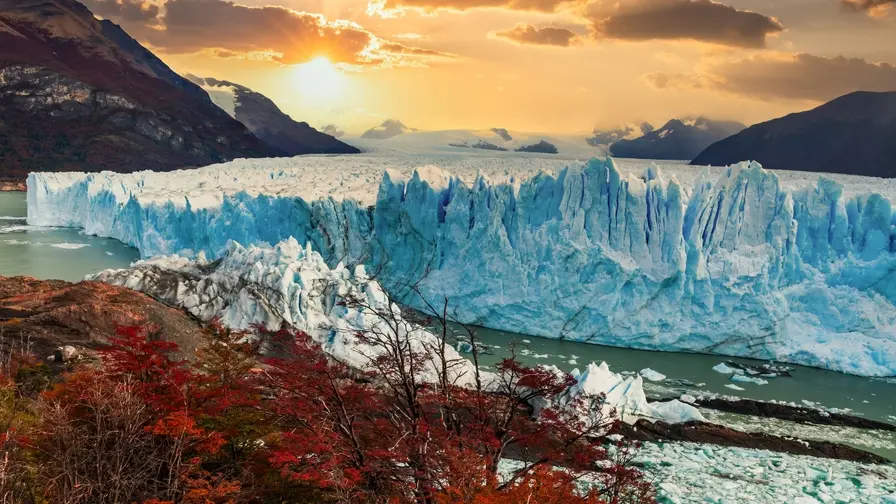
For coastal communities, accelerated ice loss means higher baseline sea levels and greater exposure to coastal erosion and storm-driven flooding. The cumulative contribution of Greenland and other melting ice to sea-level rise is one of the clearest pathways by which Arctic warming will directly affect people around the world.
Wet, green, rusty: hydrology and permafrost changes
The Arctic's hydrological cycle intensified during the latest 12-month period: spring precipitation hit record highs, and many seasons ranked among the wettest since mid-20th-century records began. Warmer, wetter conditions are driving "borealization," a northward greening in which shrub and tree cover expands into traditional tundra.
Permafrost thaw compounds the ecological shift. Thawing soils release previously frozen organic matter and minerals into streams and rivers, triggering chemical changes that scientists have started to document from space. Satellite imagery for the year identified more than 200 streams and rivers with conspicuous discoloration — the so-called "rusting rivers" effect — caused by iron and other materials released from thawing soils. Those changes can increase acidity and metal concentrations in freshwaters, stressing aquatic life.
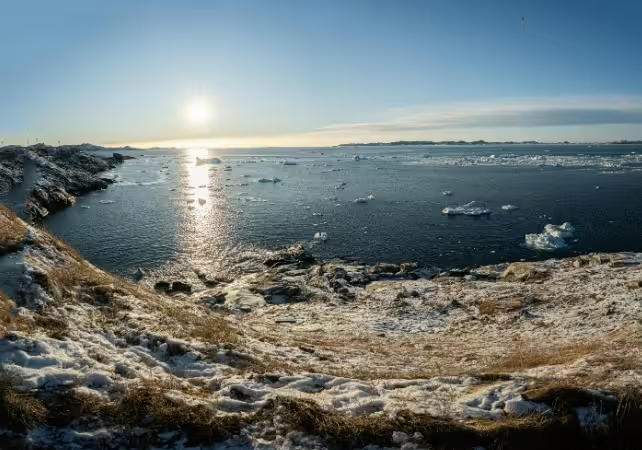
Summer in Nuuk, Greenland
Weather extremes and atmospheric dynamics
With the Arctic warming faster than mid-latitudes, the temperature gradient that normally confines cold air to polar regions weakens. Some studies link that weakening to more frequent intrusions of Arctic air into lower-latitude regions, producing cold snaps and unusual weather far from the pole. At the same time, warmer Arctic conditions are associated with increased variability in jet stream patterns, which can prolong heatwaves, cold spells, and heavy precipitation events in populated regions.
These shifts underscore that Arctic change is not isolated. Ice, ocean, atmosphere and ecosystems are tightly coupled, so local transformations cascade into global consequences for climate, biodiversity and human infrastructure.
Expert Insight
"What we are seeing in the Arctic is not a distant curiosity — it's a fast-moving indicator of planetary imbalance," says Dr. Lena Morris, a climate scientist at a major research university. "The region's rapid warming accelerates feedbacks that amplify global change: altered ocean circulation, thawing permafrost releasing greenhouse gases, and ecological shifts that ripple through food webs. Monitoring and mitigation are both urgent."
Scientists emphasize that human-driven emissions remain the primary force behind the Arctic's rise in temperature. Reducing greenhouse gas emissions, improving observational networks, and advancing models to better predict coupled ice–ocean–atmosphere responses are key priorities for policymakers and researchers.








Leave a Comment
Comments (2)
this is terrifying, seeing ice vanish so fast… makes future feel so uncertain, ugh. we really need to cut emissions, not just talk
Wait are the measurements that precise? 1.6°C sounds huge hope they accounted for satellite bias, seasonal variability and station gaps