
2 Minutes
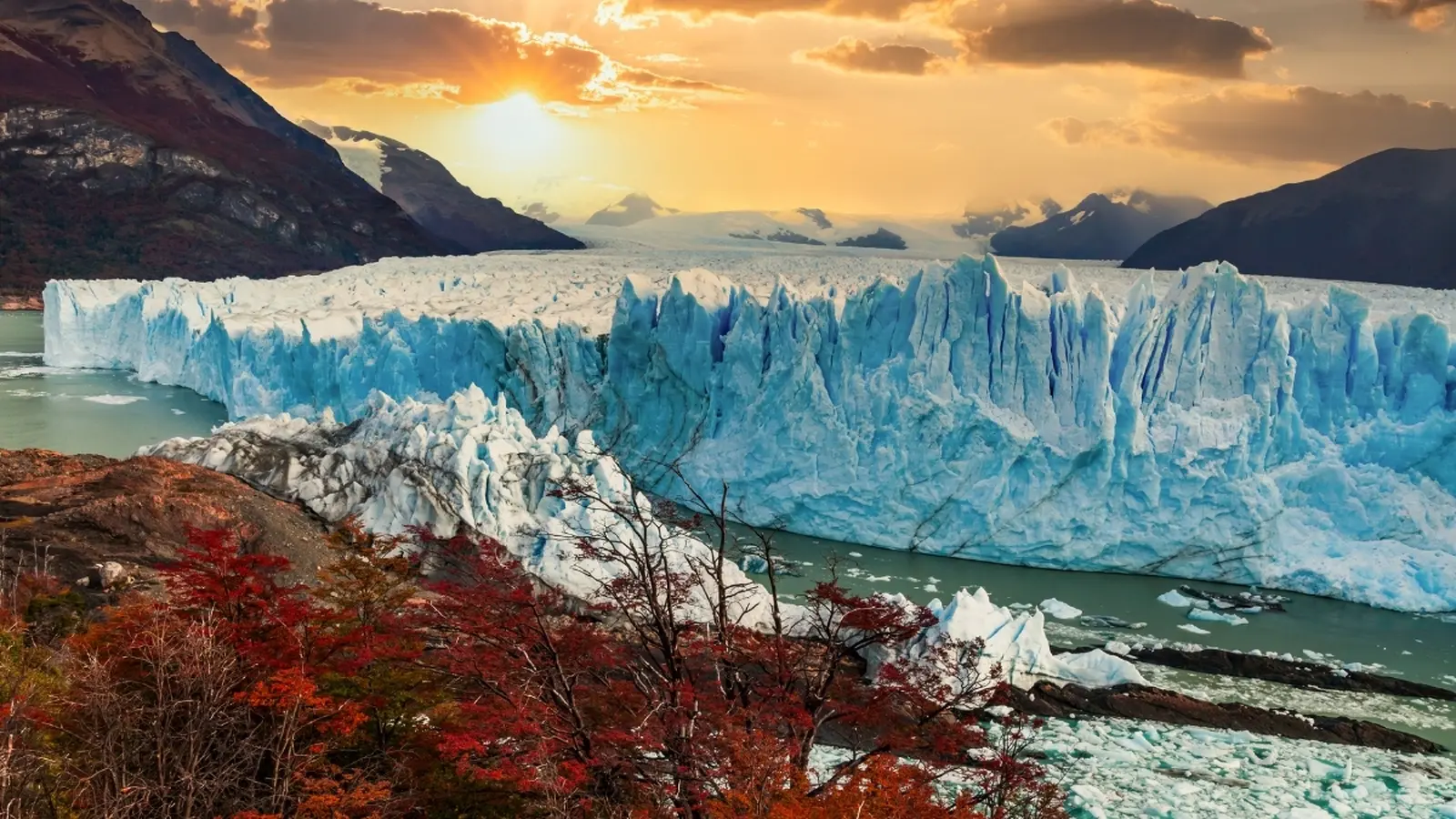
Under a high-warming scenario, the world’s glaciers could vanish at a staggering rate. New projections show that, if global temperatures rise about 4C, thousands of glaciers will be lost annually before mid-century—reshaping mountain landscapes, water supplies and sea level contributions for generations.
How fast would glaciers disappear?
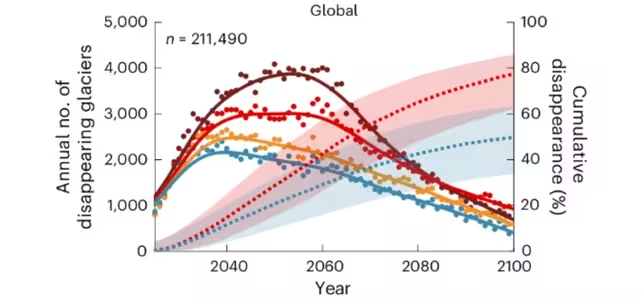
Models indicate that in a 4C-warmed world as many as 4,000 glaciers could disappear each year by the mid-2050s. Over the course of the century this pace would trim the global glacier population dramatically: only around 9%—some 18,288 glaciers—might remain by 2100 under that scenario. Those are not just numbers; they represent freshwater reserves, ecosystems and cultural landmarks at risk.
Timing differs by region — small ice, fast loss
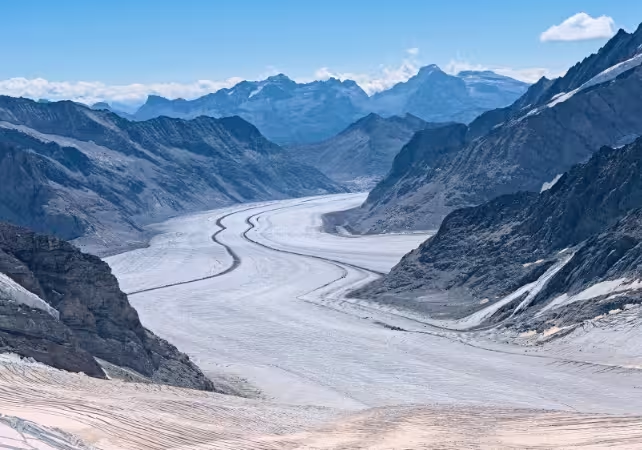
The moment of peak glacier loss varies by size and location. Regions dominated by small mountain glaciers, such as the European Alps and the subtropical Andes, face the quickest losses. In those areas half of the glaciers could vanish within two decades.
Big ice lingers, but still dwindles
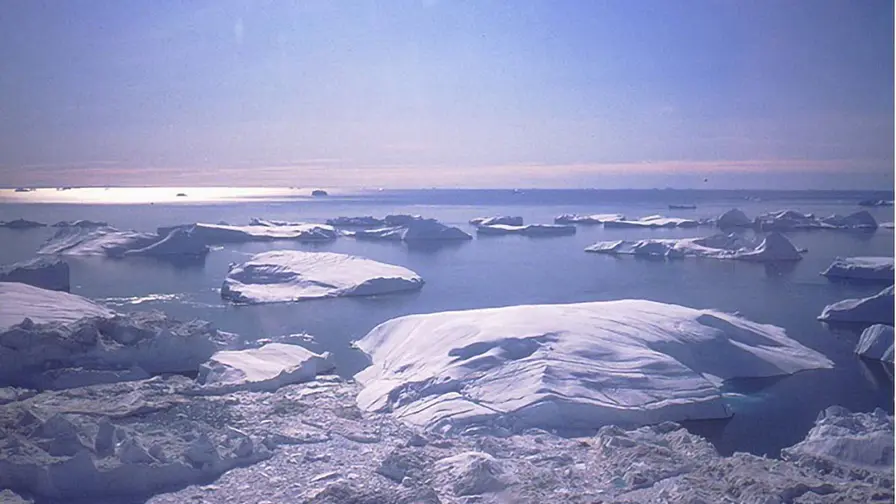
By contrast, regions with large ice bodies—Greenland and parts of the Antarctic periphery—will see peak disappearance later in the century. That’s because large glaciers and ice caps take longer to shrink even as warming continues.
Why the rate slows later in the century
Researchers emphasize that a drop in annual loss rates later this century does not mean recovery. Instead, the decline happens because so many glaciers will already be gone and the remaining ones tend to be larger and slower to melt. As one researcher, Van Tricht, put it, the loss rate in the Alps will fall toward almost zero by the century’s end "just because there are almost no glaciers left."
What this means for communities and ecosystems
- Water security: Meltwater from glaciers supports rivers and agriculture—its loss threatens seasonal water supplies.
- Sea level: Glacier melt contributes to global sea-level rise alongside ice-sheet changes.
- Biodiversity and tourism: Mountain ecosystems and local economies dependent on glaciers will suffer.
Mitigation to limit warming and adaptive planning for water, hazard management and conservation are critical to reduce the social and ecological impacts of rapid glacier loss.





Leave a Comment
Comments
No comments yet. Be the first.