
2 Minutes
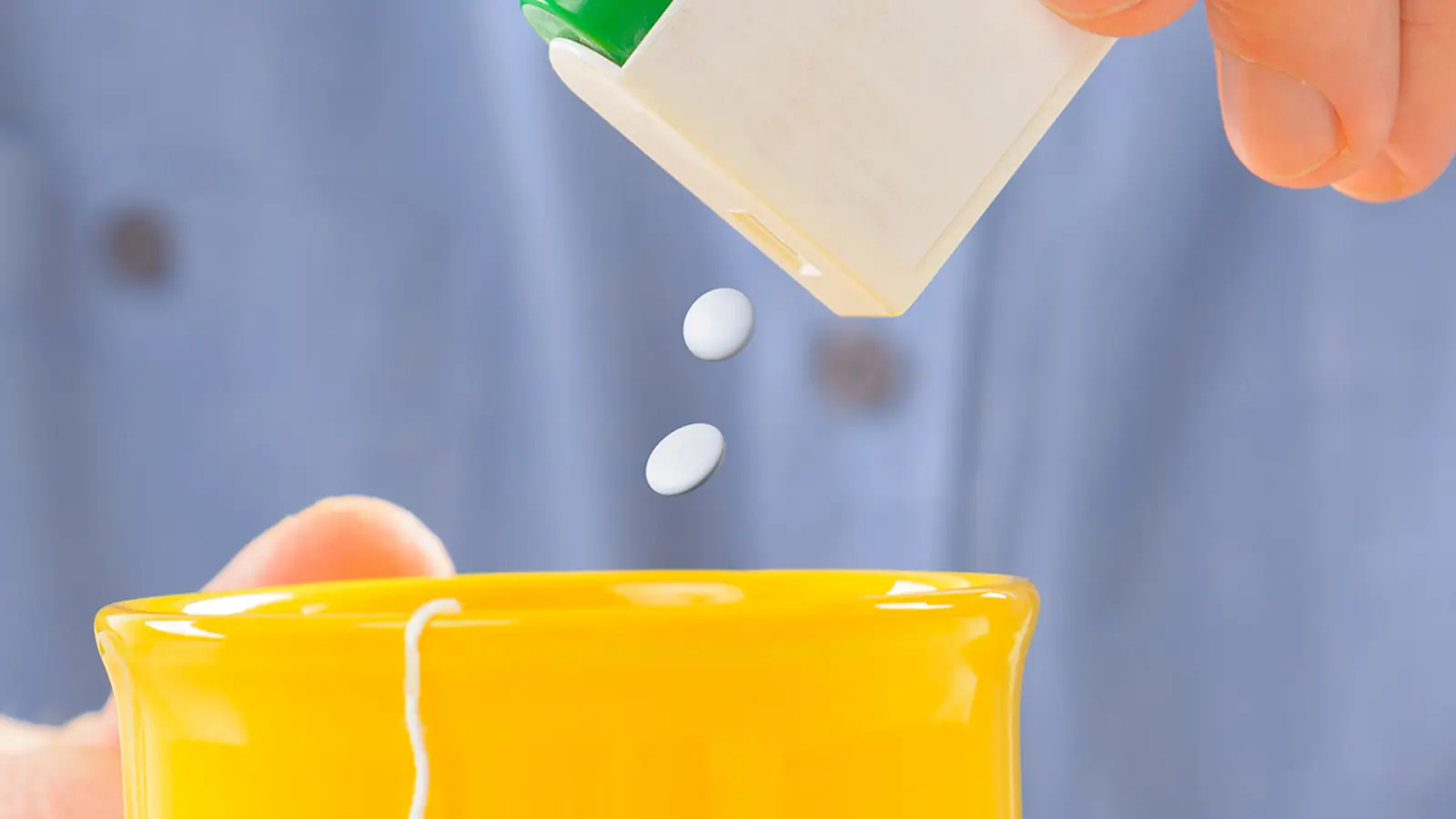
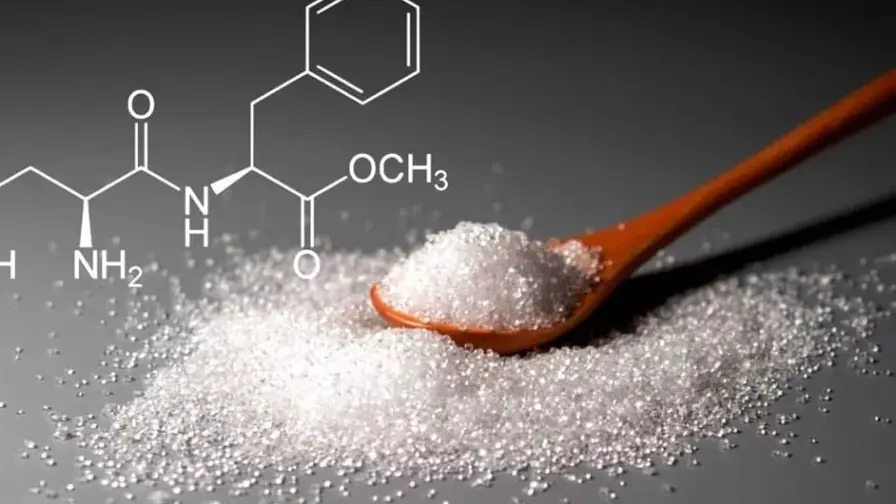
A recent study published in Biomedicine & Pharmacotherapy has reignited debate over the safety of aspartame and other artificial sweeteners. Researchers report that male mice exposed to doses allowed for human consumption showed signs of impaired organ function, adding to a growing body of evidence that these sugar substitutes may not be harmless.
What the study found and why it matters
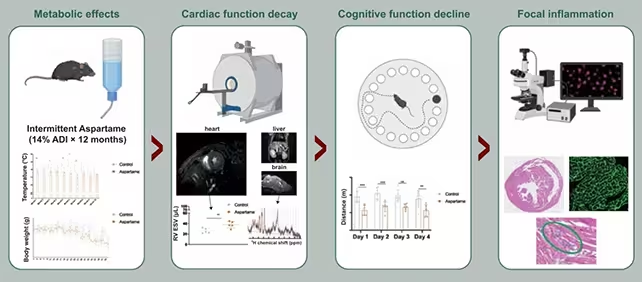
In controlled experiments, scientists observed changes in major organs of male mice after chronic aspartame exposure at levels comparable to regulatory limits. While animal models do not prove human outcomes, the results raise important questions about long-term effects. The authors suggest that even permitted doses could compromise liver, cardiovascular, or metabolic health over time.
Context: previous concerns and unresolved questions
Artificial sweeteners have been linked in other studies to biological changes associated with dementia-like pathology, fatty arteries, and liver cancer risk—though these links stop short of definitive cause-and-effect in people. At the same time, low- or zero-calorie sweeteners are widely used to lower caloric intake and help manage weight and blood sugar, complicating simple risk–benefit conclusions.
What scientists recommend next
The study’s authors call for a re-evaluation of safety limits for humans, more comprehensive long-term studies, and clearer data on dose thresholds. They emphasize careful translation from mice to humans, noting sex differences (this experiment used only male mice) and the role of diet and exposure duration.
Practical takeaways for consumers
- Artificial sweeteners can reduce calories, potentially lowering obesity and type 2 diabetes risk—but long-term safety remains uncertain.
- Current findings are preliminary; they point to the need for cautious consumption rather than immediate alarm.
- Speak with healthcare providers about using sweeteners if you have metabolic, liver, or cardiovascular concerns.
As research accumulates, regulators and public-health experts may need to revisit acceptable daily intake levels. For now, the debate continues: can sweetness without calories be fully safe, or do hidden biological costs lurk beneath the surface?











Leave a Comment
Comments
No comments yet. Be the first.