

4 Minutes
Most people assume every cell in their body is uniquely their own. In reality, millions of cells that originated in your mother can persist inside you for decades. New immunology research explains how a tiny population of maternal immune cells crossing the placenta teaches a fetus to tolerate those foreign cells for life — and why that tolerance must be actively maintained.
A hidden inheritance: what is microchimerism?
Scientists call the long-term presence of a small number of genetically distinct cells in an individual "microchimerism." It happens both ways: people who have been pregnant often retain cells from their fetus, and everyone retains some cells acquired from their mother during gestation. Though these foreign cells can number in the millions, they typically coexist without provoking the immune system's usual attack on non-self tissue.
That coexistence has puzzled immunologists for decades. The immune system is built to detect and destroy foreign cells, yet maternal microchimeric cells usually remain peacefully integrated into tissues. Researchers in Cincinnati, led by pediatric infectious disease specialist Sing Sing Way at Cincinnati Children's Hospital Medical Center, set out to understand the mechanism behind this lifelong tolerance and its biological consequences.
How a handful of maternal cells train an immune system
To probe microchimerism in detail, the team used mouse models engineered with traceable immune-cell markers. These markers allowed investigators to selectively remove specific maternal cell types after birth and watch what happened to the offspring's immune response.

Targeted depletion reveals the teachers
The experiments revealed that most maternal cells pass through and fade away, but a very small subset — cells resembling bone marrow myeloid cells and dendritic cells — persist long after birth. These persistent maternal cells were strongly associated with activation of the offspring's immune system in a way that expanded regulatory T cells (Tregs). Regulatory T cells act as immune peacekeepers, dialing down aggressive responses and teaching the immune system to tolerate particular antigens.
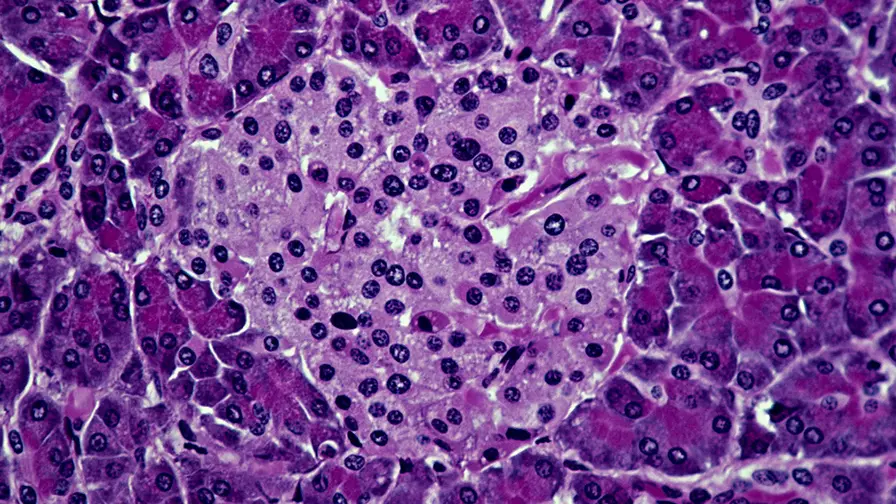
When researchers selectively removed this tiny maternal cell subset in offspring mice, the results were stark: the expansion of regulatory T cells vanished and the lifelong immune tolerance to maternal cells broke down. In other words, maintaining tolerance to maternal microchimeric cells is not a passive, one-time event during pregnancy — it requires ongoing input from a rare population of maternal immune cells.
Why this discovery matters for medicine and research
Understanding which maternal cells sustain immune tolerance opens new pathways for exploring how microchimerism influences health and disease. Microchimerism has been implicated in a wide array of conditions, including autoimmune diseases, certain cancers and neurological disorders. But whether maternal cells cause pathology, protect against it, or accumulate in injured tissue as part of healing has remained unclear.
Way and colleagues emphasize that the new experimental tools — engineered markers and selective depletion methods — let researchers test those possibilities directly. "The new tools we developed to study these cells will help scientists pinpoint exactly what these cells do and how they work in a variety of contexts including autoimmune disease, cancer and neurological disorders," Way said, framing the study as a platform for future work.
Therapeutic implications are intriguing. If rare maternal cells actively maintain immune tolerance, manipulating analogous pathways could offer new strategies to prevent graft rejection, treat autoimmune disease, or modulate immune responses in neuroinflammation. Conversely, if microchimeric cells exacerbate pathology in some contexts, identifying and targeting the responsible cell types could yield novel interventions.
Expert Insight
"This research reframes microchimerism from a biological curiosity into a functional system with direct relevance to human disease," says Dr. Elena Ruiz, an immunologist and science communicator. "Pinpointing the cell types that maintain tolerance helps us ask better questions about when microchimerism is protective versus harmful — and that’s essential for any clinical application."
Going forward, scientists plan to apply these methods to human tissue samples and disease models. By mapping where maternal cells settle, what signals they produce, and how they interact with local immune networks, researchers hope to unravel the complex roles of microchimerism across the lifespan.
In short, millions of maternal cells living quietly inside you are more than biological trivia: they represent an active, lifelong dialogue between mother and child that helps shape immune identity and may influence health in unexpected ways.










Leave a Comment
Comments (2)
is this even true? sounds cool but I want to see human data, mouse models are neat but not everything translates. what if those cells just hang out in injured spots...
wow this blew my mind, didn't expect mom's cells to stick around and actually teach tolerance. kinda creepy but also beautiful, if real. made me rethink identity a bit