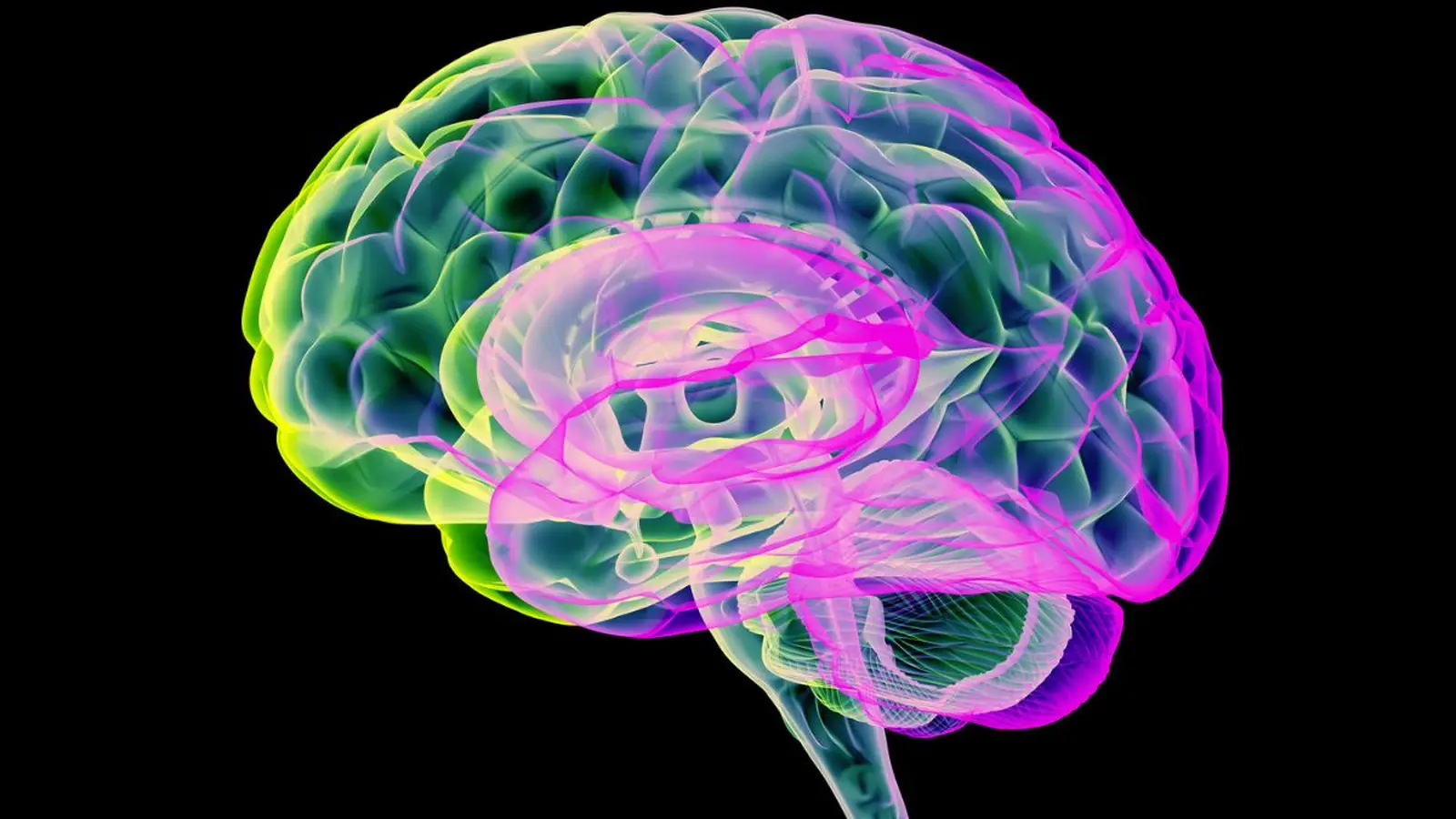
Read More Scince News Health 2 months ago Hidden Brain Rhythms Could Transform Parkinson's Care Researchers pooled deep-brain recordings from 119 Parkinson’s patients to isolate beta-band rhythms tied to motor symptoms. These signals could guide adaptive deep brain stimulation for smarter, symptom-responsive therapy.
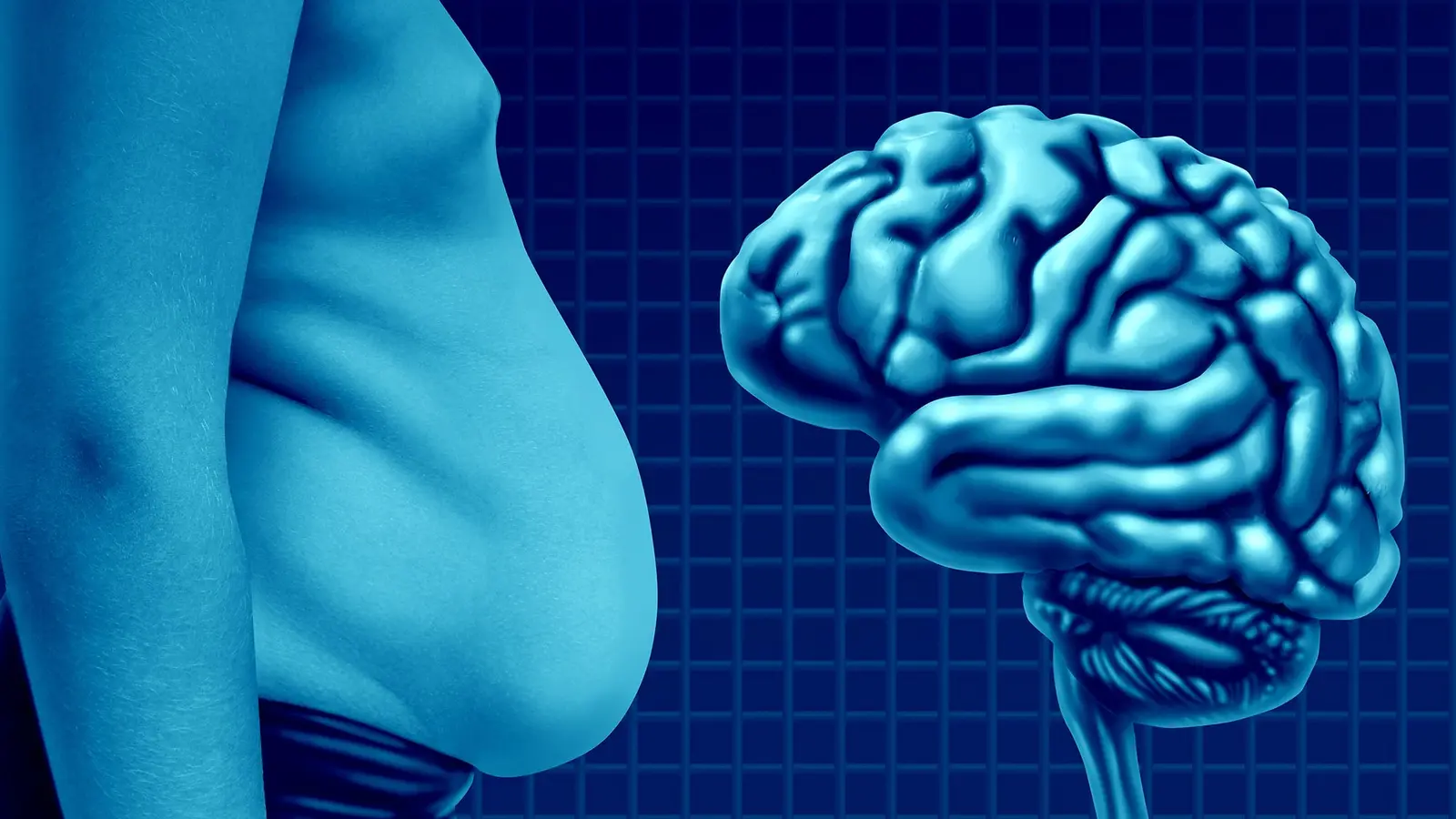
Read More Scince News Health 2 months ago Which Junk Foods Damage Your Brain Most? New Study Virginia Tech research links extra daily servings of ultra-processed meats and sugar-sweetened beverages to higher risk of cognitive impairment in older adults, highlighting cooking skills and diet changes as prevention.
Read More Scince News Health 2 months ago Mystery Molecules in Dogs: Clues to Human Longevity Tufts-led research of nearly 800 dogs links unusual blood metabolites and kidney function to aging. These biomarkers, including gut-derived ptmAAs, may help predict health and guide interventions for dogs and humans.
Read More Scince News Health 2 months ago Why Longer Walks Beat Short Bursts for Heart Health A UK Biobank study of 33,560 adults shows that longer, continuous walking bouts—rather than many short bursts—are linked to lower risks of death and cardiovascular disease, especially for low-active people.
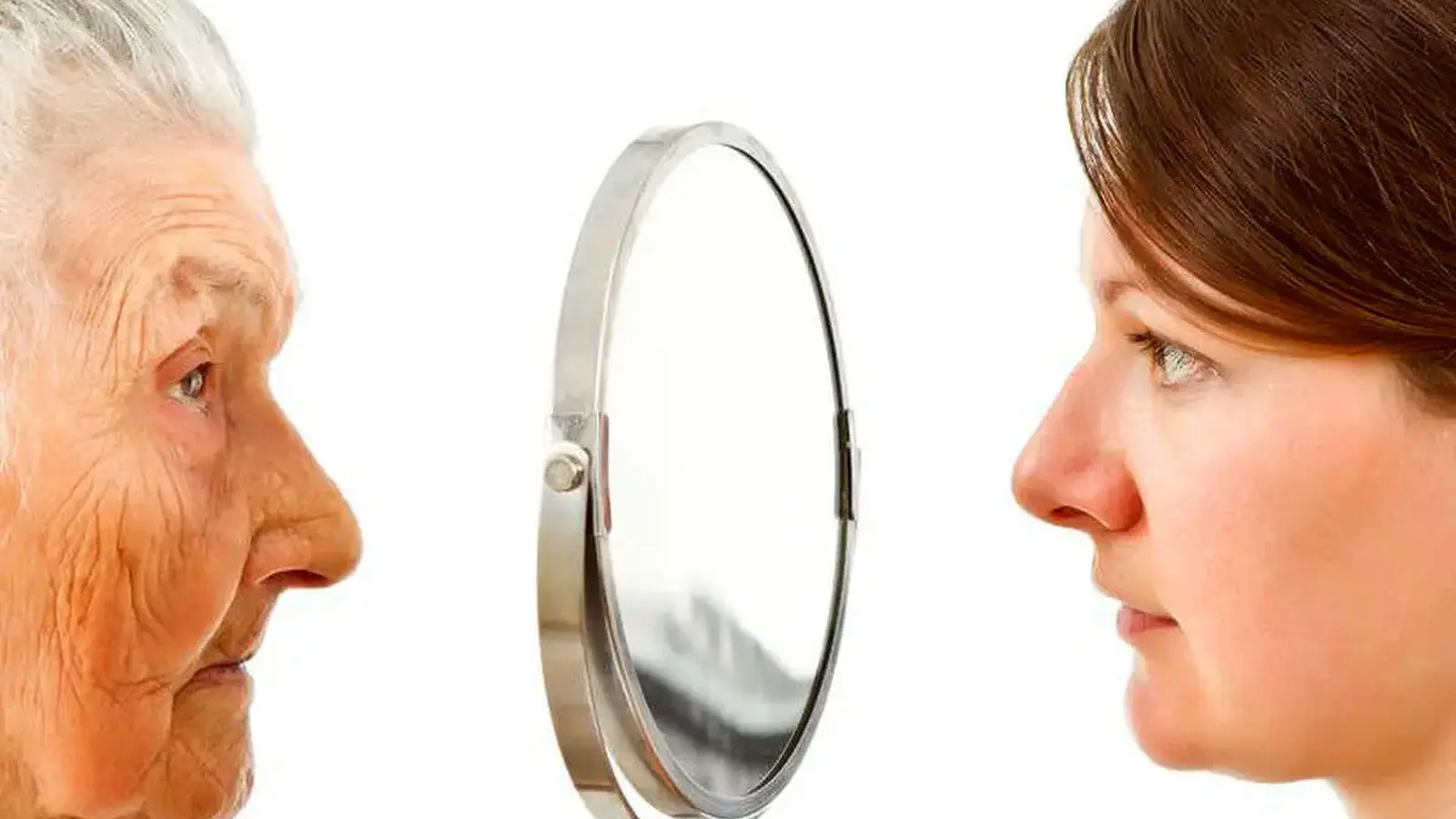
Read More Scince News Health 2 months ago How Creativity Turns Back Your Brain's Biological Clock A global study finds that creative activities—from tango to painting to gaming—are linked to younger biological brain ages. Learn how brain clocks and biophysical models explain these protective effects.
Read More Scince News Health 2 months ago Why Millennials Have Higher Cancer Risks and How to Act Millennials face rising rates of early-onset cancer tied to diet, obesity, alcohol, sleep loss, stress and medication habits. This article explains the science, offers expert insight, and lists practical prevention steps.
Read More Scince News Health 2 months ago Blood Proteins Could Flag MS Years Before Symptoms UCSF researchers report that blood proteins such as MOG and NfL rise years before multiple sclerosis symptoms, suggesting a possible presymptomatic test and a new timeline for early intervention.
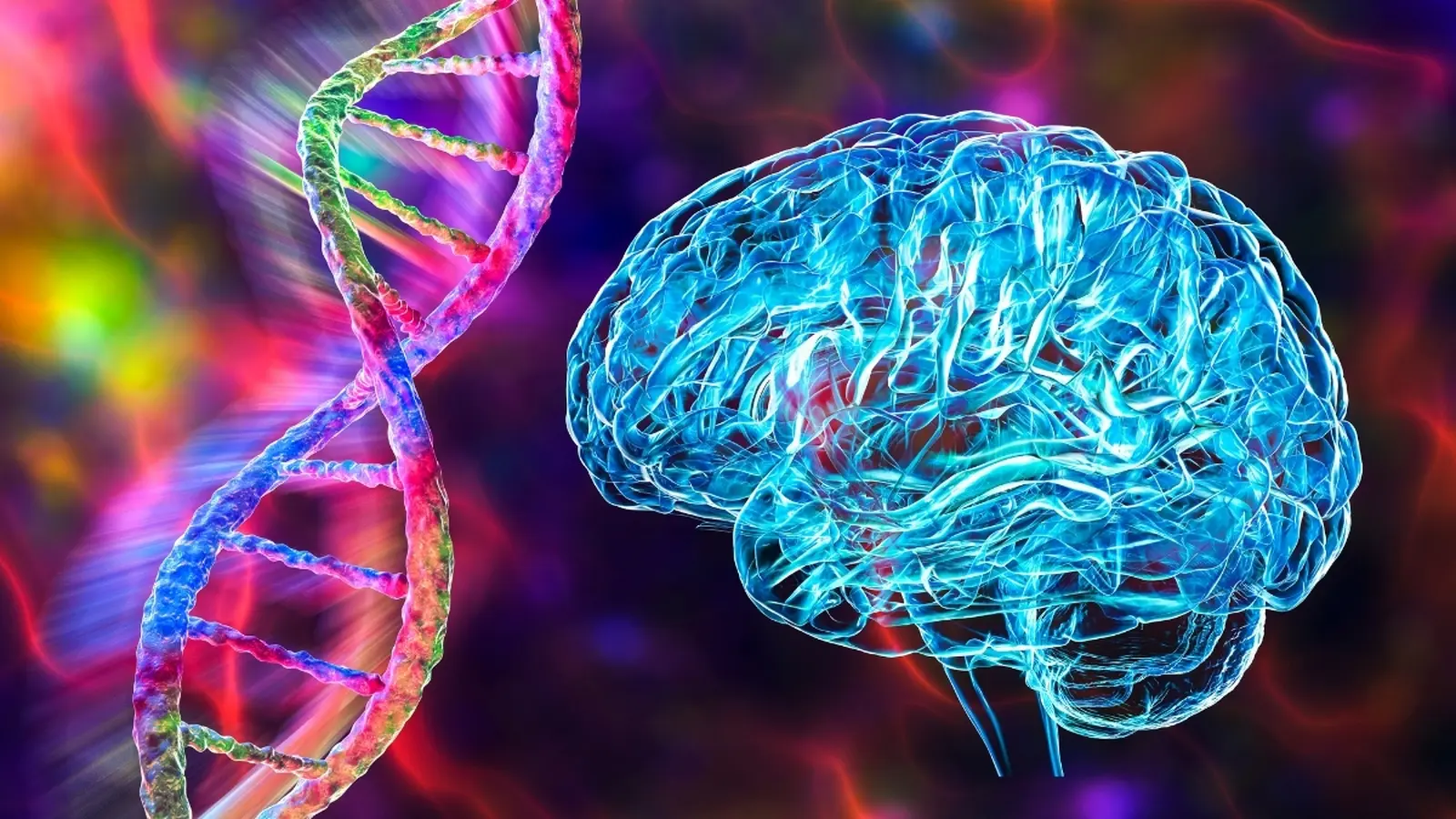
Read More Scince News Health 2 months ago MINA Syndrome: A New Genetic Cause of Muscle Weakness Researchers at the University of Missouri have identified MINA syndrome, a new genetic disorder caused by a NAMPT mutation that impairs neuronal energy and leads to progressive muscle weakness. The finding opens diagnostic and treatment avenues.
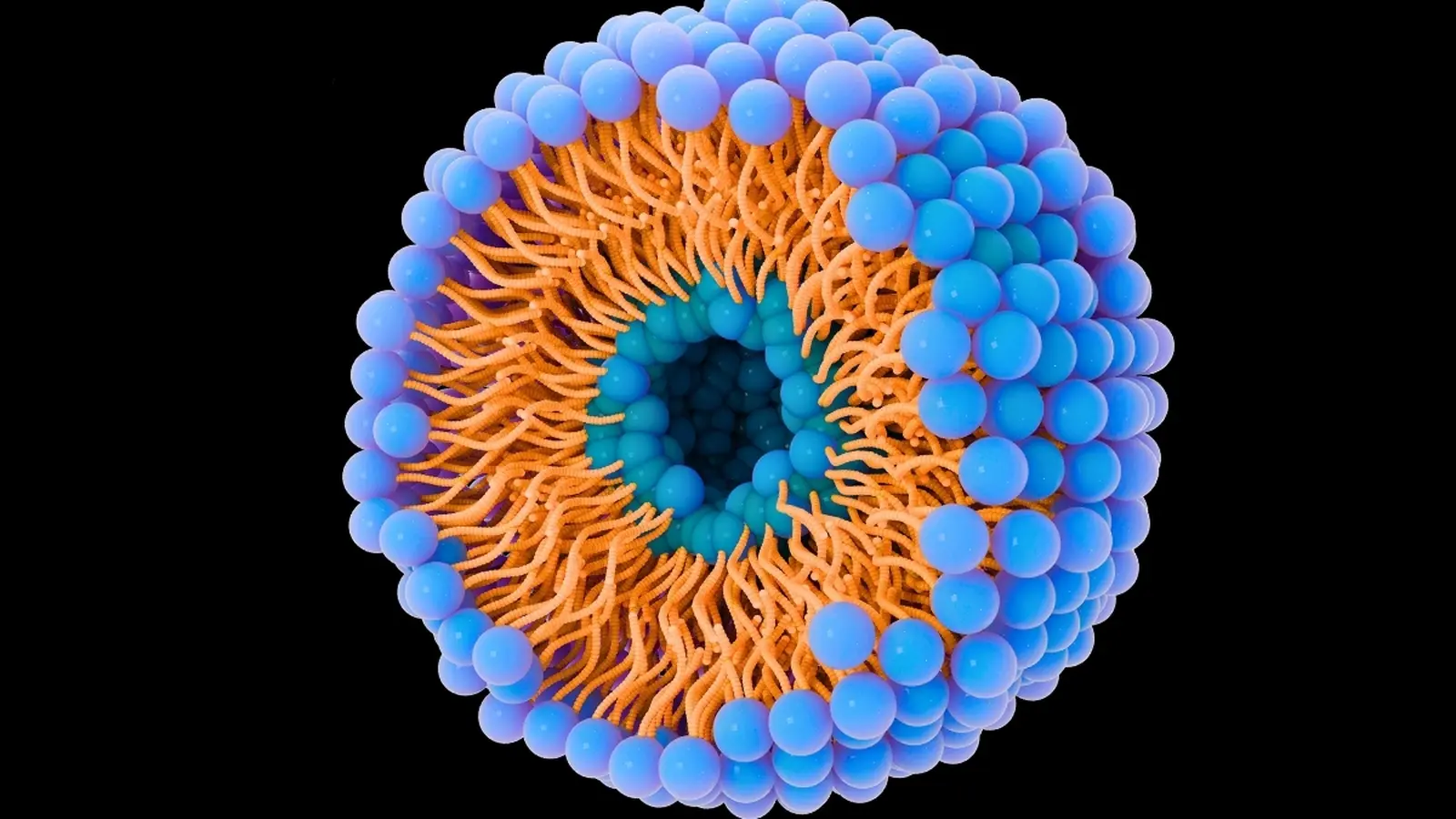
Read More Scince News Health 2 months ago Supramolecular Nanoparticles Reverse Alzheimer’s in Mice Researchers developed supramolecular nanoparticles that restore blood–brain barrier function and rapidly clear amyloid‑β in mice, reversing Alzheimer’s-like symptoms and recovering cognitive behavior.
Read More Scince News Health 2 months ago Why Age 17 Is a Critical Turning Point for Heart Health Emerging evidence shows cardiovascular risk often begins to rise around age 17. This article explains the causes — nicotine, obesity, lifestyle shifts and social factors — and practical steps based on the American Heart Association's Essential 8.
Read More Scince News Health 2 months ago ADHD Medication Cuts Risk of Accidents and Harmful Outcomes A large Swedish study finds ADHD stimulant medication, primarily methylphenidate, lowers risks of substance misuse, suicidal behavior, criminality and traffic accidents in newly diagnosed patients.
Read More Scince News Health 2 months ago Can Exercise and Omega-3s Protect Your Teeth From Bone Loss? A new animal study finds that moderate exercise combined with omega-3 supplementation reduces inflammation and protects the bone around infected tooth roots, suggesting lifestyle habits could influence oral and systemic health.
Read More Scince News Health 2 months ago Eat More Fruits and Vegetables to Sleep Better Tonight A study from UChicago and Columbia finds that eating fruits, vegetables and whole grains during the day is associated with deeper, less fragmented sleep the same night. Meeting CDC produce targets linked to a 16% improvement.
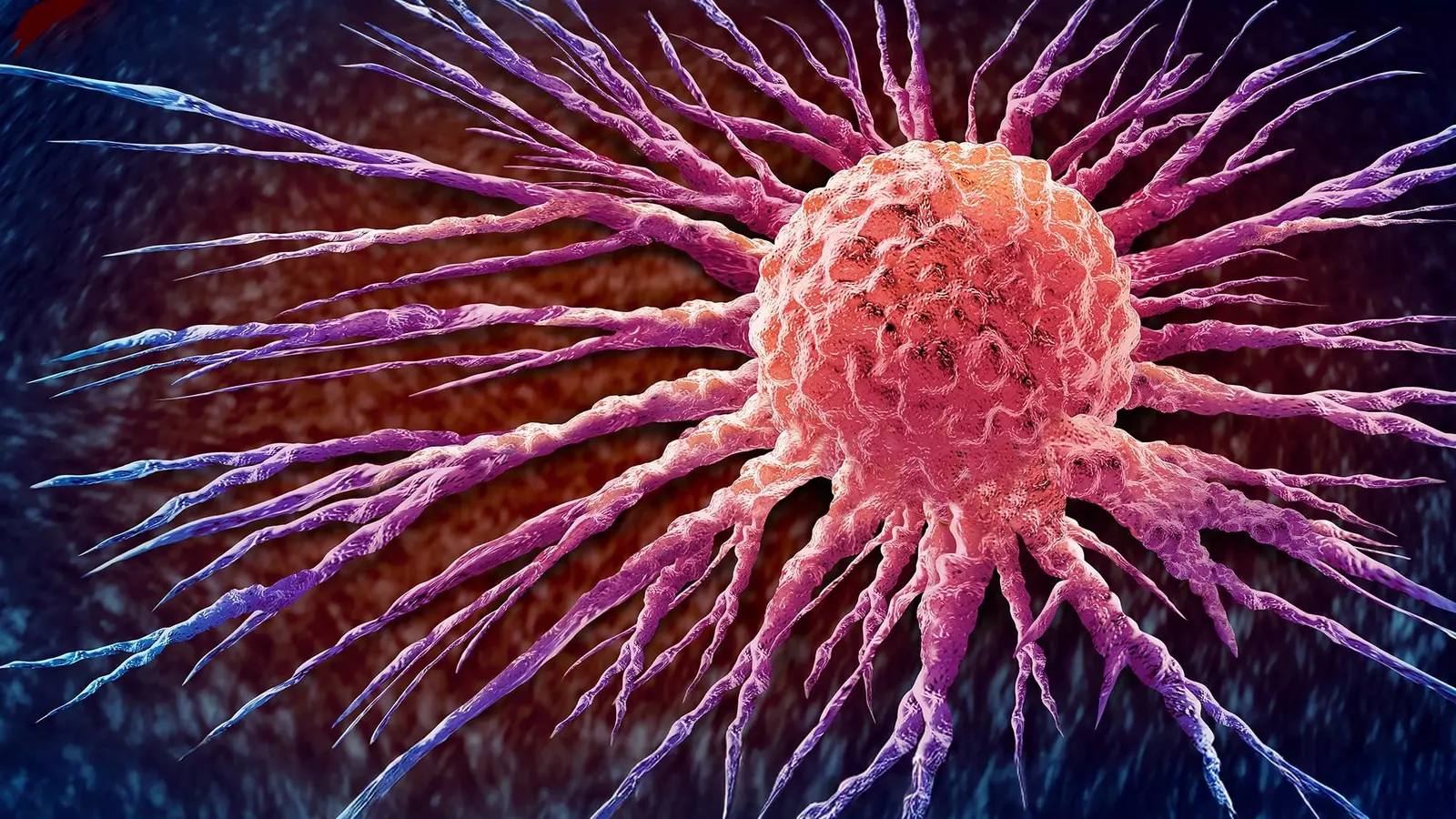
Read More Scince News Health 2 months ago LED Light + Tin Oxide Nanoflakes Safely Kill Cancer Cells A US research team pairs near-infrared LEDs with tin oxide nanoflakes (SnOx) for selective photothermal destruction of cancer cells, promising a low-cost, less toxic alternative to chemo and radiotherapy.
Read More Scince News Health 2 months ago Fecal Transplants Reduce Depression Symptoms, Review Finds A pooled analysis of 12 trials finds fecal microbiota transplantation can ease depression symptoms, especially with rectal delivery and in patients with IBS, but effects may wane by six months.
Read More Scince News Health 2 months ago Single Dose of Gut Bacteria Cuts Long-Term Metabolic Risk A University of Auckland follow-up shows one capsule of healthy gut bacteria delivered years-old benefits: reduced metabolic syndrome in obese adolescents and persistent microbial changes—pointing toward future targeted probiotics.
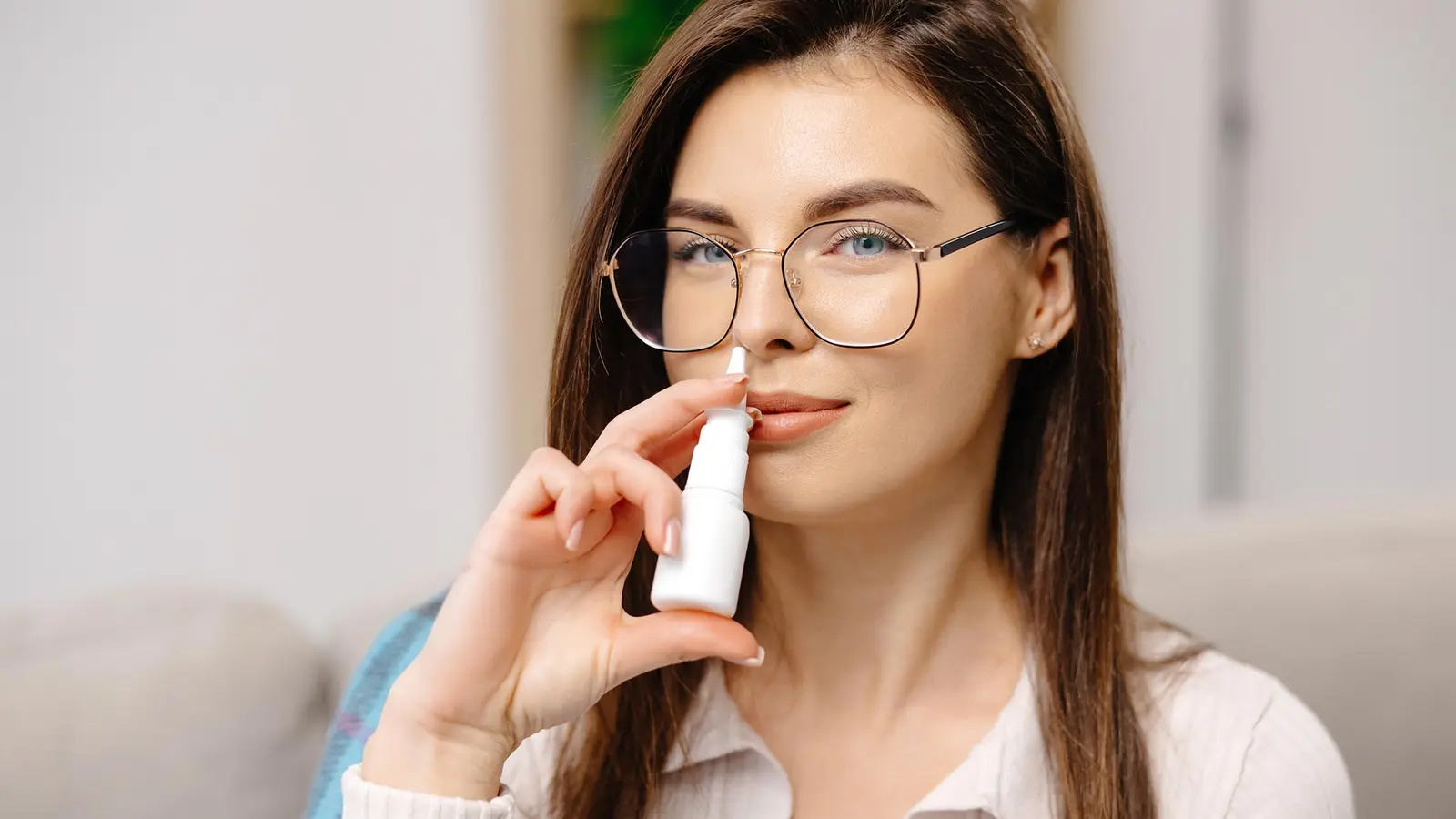
Read More Scince News Health 2 months ago Two Existing Drugs Show Promise for Early Alzheimer's A U.S. safety trial finds that empagliflozin and an intranasal insulin spray show early, safe benefits on biomarkers, cognition, and brain blood flow in people at risk of Alzheimer’s disease.
Read More Scince News Health 2 months ago Split-Second Food Judgments: How Your Brain Sees Health New research shows the brain encodes healthiness and tastiness of foods within ~200 ms of seeing them. Advanced brain imaging and machine learning reveal two rapid dimensions — processed and appetizing — that shape snap dietary decisions.
Read More Scince News Health 2 months ago Could Cholesterol Drugs Also Cut Dementia Risk? New Study A major genetic meta-analysis links lifelong lower LDL cholesterol with reduced dementia risk, suggesting statins and related drugs may offer brain-protective benefits and calling for long-term clinical trials.
Read More Scince News Health 2 months ago Prenatal PFAS Exposure Tied to Brain Changes in Children A multinational study links maternal PFAS blood levels to structural brain differences in five-year-olds, revealing compound-specific associations in the corpus callosum, hypothalamus and occipital grey matter.