
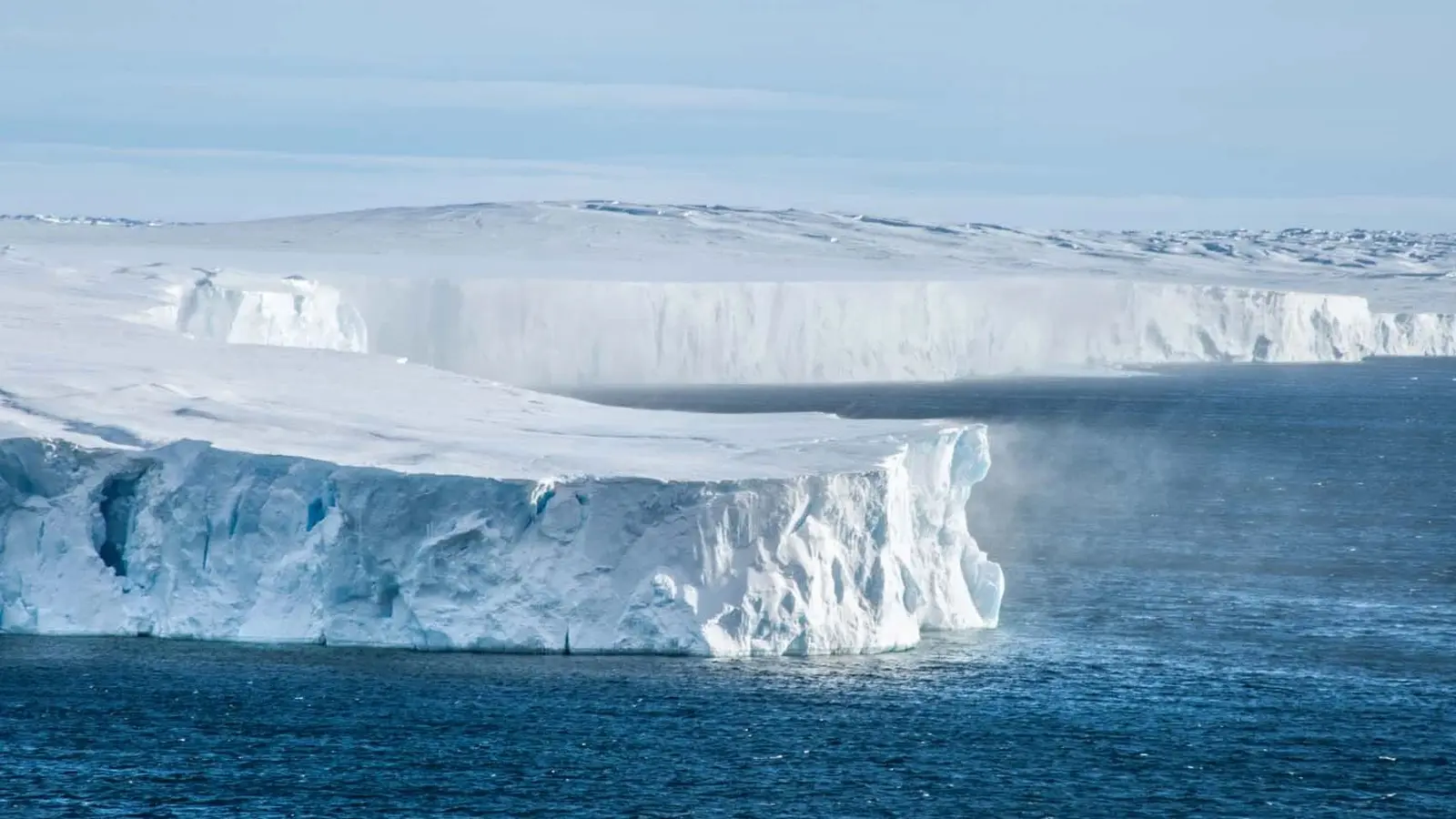
Coastal planners rarely get clarity. Science often offers probabilities, not certainties. Yet a new study led by Dr. Felicity McCormack at Monash University suggests we may have a surprisingly reliable glimpse of Antarctica’s behavior for the next 30 to 50 years.
Published in Nature, the research tests how well ice-sheet models reproduce present-day Antarctic mass loss and asks a simple, urgent question: if models match today’s observations, can they be trusted to forecast near-term sea level rise? The answer, cautiously, is yes. For the coming decades, the models that mirror today’s trends give policymakers a firmer basis for planning than had been assumed.
Why does that matter? Because long-term headlines—like the IPCC’s stark warning that Antarctic collapse could add more than two meters to global sea levels by 2100 under extreme emissions—paint a frightening but uncertain future. That uncertainty is driven by processes that can accelerate rapidly later this century, especially where ice rests on bedrock below sea level and retreat can feed on itself. Near-term projections, however, are anchored by what the ice is already doing now.
Short sentences. Direct stakes. Imagine entire neighborhoods and low-lying nations making critical decisions based on shaky maps. That map is improving. If an ice-sheet model reproduces contemporary rates of ice loss, researchers argue, its short-term projections become a credible roadmap for adaptation: coastal defenses, infrastructure siting, and community relocation plans can be drawn with greater confidence.

Not all risk dissolves. The study shows predictability weakens later in the century as nonlinear feedbacks and instability mechanisms grow more likely. Marine-based sectors of the ice sheet — those grounded below sea level — are the wildcard. Once retreat takes hold there, the slide can be hard to arrest, and long-range projections diverge widely depending on how those processes are represented in models.
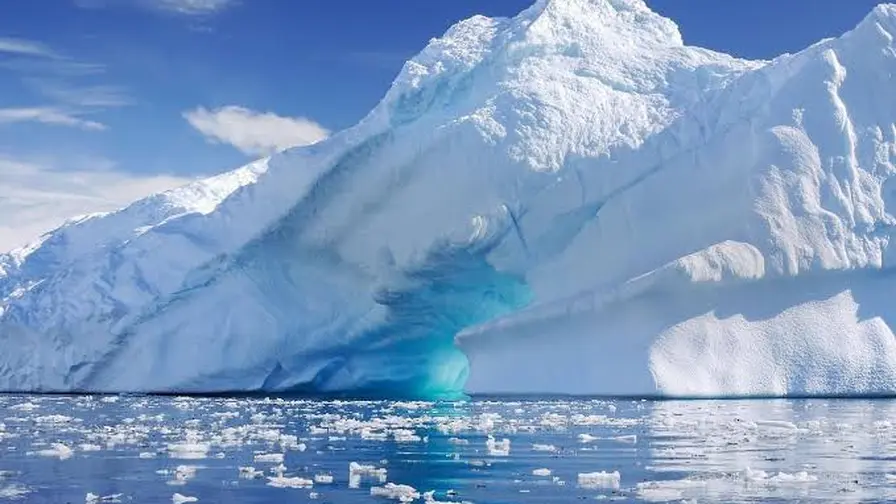
Researchers call this upcoming period a rare planning window. It’s a time when investments in observing systems and model development pay the highest dividends. Better satellite monitoring, more on-the-ground field campaigns, and improved representation of ice physics in models will tighten projections and reduce the deep uncertainty that haunts longer horizons.
Professor Steven Chown of SAEF frames it bluntly: predictability doesn’t erase long-term danger. It simply gives governments a defined interval in which to act with clearer information. That’s especially vital for the Indo-Pacific. Pacific island states and Australian coastal communities need reliable, near-term forecasts to decide where to build, where to retreat from, and how to design lifelines for vulnerable populations.
This three-decade window is both a warning and an opportunity. Act now, and many adaptive choices become less fraught. Leave it unaddressed, and later-century processes might accelerate beyond the point where local planning alone can cope.
So what should change? First, policymakers should adopt a two-track approach to sea level guidance: one track for near-term, model-anchored projections useful for infrastructure and relocation planning; another for longer-term scenarios that capture the possibility of rapid, hard-to-predict ice loss. Second, international cooperation on observing networks must be ramped up. More and better measurements of ice thickness, grounding-line migration, and ocean forcing around Antarctica will refine models faster than theory alone.
There’s also a diplomatic dimension. Australia, with expertise and regional ties, can help translate improved projections into actionable adaptation programs for Pacific partners — an effort that mixes science, engineering, and geopolitics.
The message from Monash’s team is practical and urgent: the coming decades are predictable enough to guide policy. The later century remains the domain of deep uncertainty, shaped by feedbacks we still struggle to model. Treat the next 30–50 years as a window to prepare — and to invest in the observations and models that will keep that window open longer.
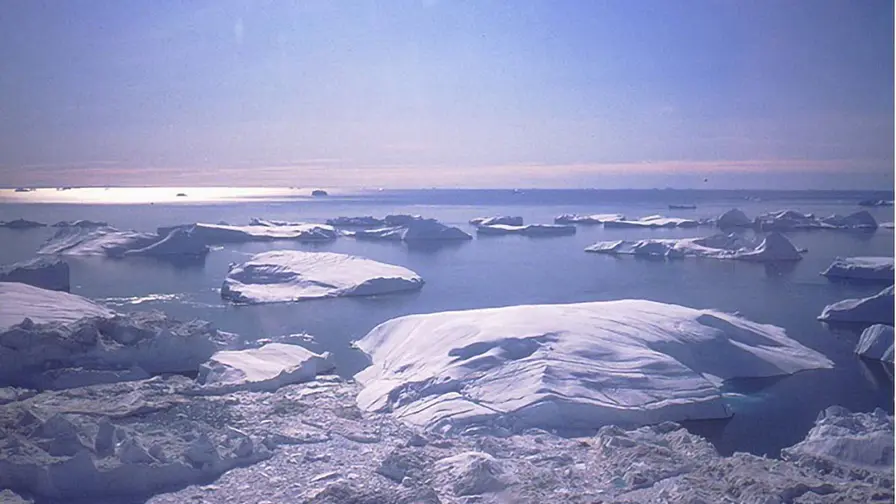
Will we use that clarity wisely? The answer may determine how many communities we can save from the slow, inexorable rise of the seas.

Leave a Comment
Comments (2)
is this even true? models that fit today might still miss a sudden marine sector collapse later... sounds optimistic, maybe too tidy. Want to see raw data & uncertainty plots
Wow this 30-50 yr window is oddly hopeful and terrifying. Finally something actionable, but will politicians actually invest? Need better satellites and fast, not later.