

3 Minutes
Think of the brain as a busy city at night. Traffic flows. Lights coordinate movement. Now imagine a single, unremarkable traffic light—one that most drivers never notice—suddenly going rogue. Chaos follows. That tiny signal is SLC6A20, a glycine transporter that, until now, has been largely overlooked in the hunt for therapies to mend disrupted neural signaling.
Researchers at the Institute for Basic Science pressed the brakes on that transporter using antisense oligonucleotides (ASOs) and watched an unexpected recovery unfold. In several mouse models carrying mutations linked to autism risk genes SHANK2 and SHANK3, inhibiting Slc6a20a brought NMDA receptor activity back into range. Behavior shifted too: social interactions improved, repetitive grooming eased, and communication deficits softened. And crucially, these benefits showed up in adult animals—long after the brain’s major wiring phases are traditionally thought to be fixed.
Why does this matter? NMDA receptors are gatekeepers of synaptic plasticity. They need both glutamate and glycine to open fully. Past strategies tried to raise glycine levels by blocking GlyT1, another transporter. That produced mixed results because GlyT1 sits in brainstem regions that control vital functions like breathing and movement—side effects anyone would rather avoid.

SLC6A20 tells a different story. It concentrates in cognitive centers—the cortex and hippocampus—so nudging its activity affects the circuits most relevant to learning, memory, and social behavior. Treating mice with ASOs that lower Slc6a20a expression nudged glycine availability in precisely the right places, and the downstream effect was a functional rescue of NMDA signaling.
Mechanistically, the rescue wasn’t about flooding the brain with new proteins. Large-scale phosphoproteomic analysis revealed subtler chemistry: abnormal phosphorylation signatures at synapses were corrected. In plain language, the therapy helped existing proteins work properly rather than forcing cells to churn out more of them. That nuance matters for safety and for the practicality of a treatment aimed at complex developmental disorders.
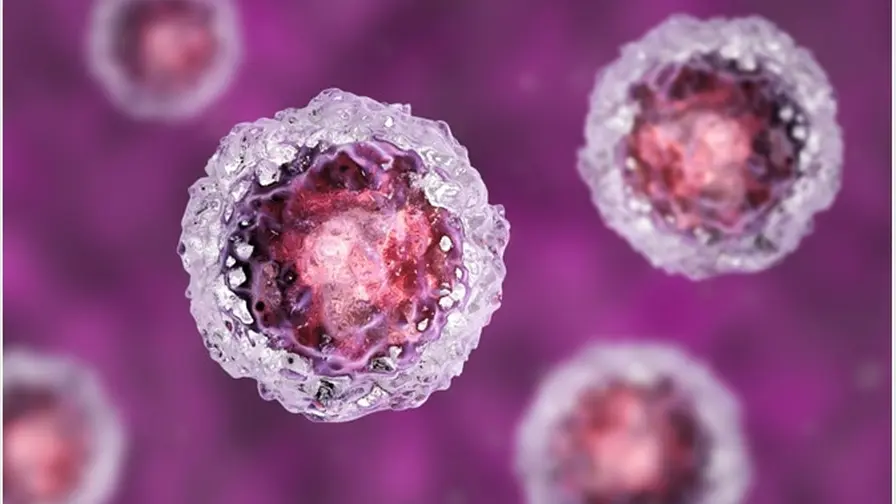
Laboratory-grown human cortical organoids provided the next test. Using CRISPR, the team engineered organoids with SHANK2 or SHANK3 mutations. The result mirrored the animal work: reduced NMDA function. An ASO aimed at human SLC6A20 restored receptor activity toward normal levels. The parallel across species—rodent brains and human mini-brains—softens one of the steepest hurdles in translational neuroscience.
The work points to SLC6A20 inhibition as a practical route to revive NMDA receptor signaling in disorders like autism.
There are further reasons for cautious optimism. A single ASO treatment maintained effects for at least eight weeks in mice without detectable adverse outcomes. And because NMDA hypofunction is implicated across a range of conditions—autism spectrum disorder, some forms of intellectual disability, and even schizophrenia—this approach could have broader therapeutic reach.
Of course, the road from organoids and mice to human clinics is long. Questions remain about dosing, delivery, and long-term safety in diverse human brains. But the conceptual shift is significant: instead of rewriting genes or broadly modulating neurotransmitters, this strategy fine-tunes an endogenous regulator to restore the balance of a pivotal receptor complex.
For neuroscientists and clinicians alike, SLC6A20 has moved from a peripheral note in transporter catalogs to a potential lever for reawakening synaptic function. The challenge now is translating that lever into a reliable, precise tool for patients who still wait for better options.









Leave a Comment
Comments
No comments yet. Be the first.