
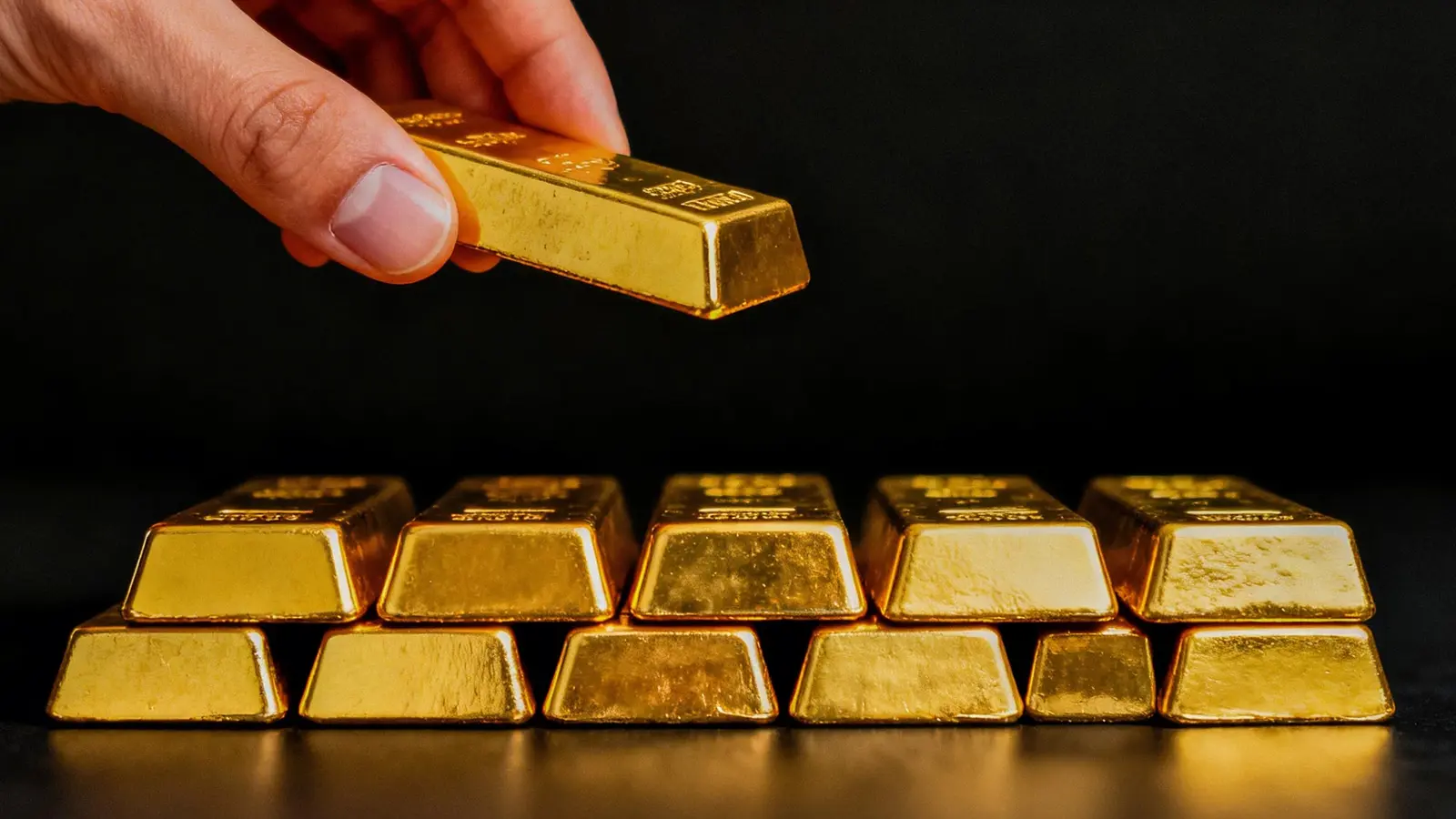
Pull a Roman coin from the soil and it might still catch the light. That stubborn gleam has puzzled people for centuries. New research from Tulane University now shows that gold’s longevity isn’t only about weak chemistry; it’s about a microscopic game of musical chairs on the metal’s surface.
Using detailed computer simulations, researchers examined how oxygen molecules interact with two common types of gold surfaces. What they found was surprising: the surface atoms don’t sit still. They slide into new arrangements that act like a nanoscale barrier, preventing oxygen from splitting and latching onto the metal.
When the surface atoms rearrange, oxidation drops by a factor of a billion to a trillion.
That sentence needs to sink in. Without that atomic shuffle, oxygen would dissociate and bind much more readily. With it, reactions slow to near-stasis. The effect is not a chemical quirk but a structural one—patterns at the atomic level that block pathways oxygen needs to oxidize gold. That helps explain why jewelry, coinage and some electronics can remain untarnished for centuries.

There’s a twist, however. The same reluctance to react that makes gold beautiful also makes it stubborn in catalytic roles where oxygen activation is required. Catalysts that include gold are used in industrial oxidation processes, and gold–palladium mixes help produce vinyl acetate, a precursor to many plastics. Researchers are also eyeing gold for cleaning exhaust or creating propylene oxide. But if gold refuses to break oxygen apart, its usefulness in these reactions is limited.
So what’s the workaround? The Tulane team suggests a fresh angle: instead of only alloying gold or depositing nanoparticles on oxides, chemists might design surface geometry itself to force different atomic arrangements—or to prevent the protective ones from forming. In other words, trick the atoms into giving gold the reactivity you want while keeping its desirable traits.
From museum cases to reactor chambers, the discovery reframes how we think about a metal long treated as chemically aloof. The next challenge is practical: can engineers choreograph atomic movements well enough to make gold both a lasting ornament and a hardworking catalyst?


Leave a Comment
Comments
No comments yet. Be the first.