
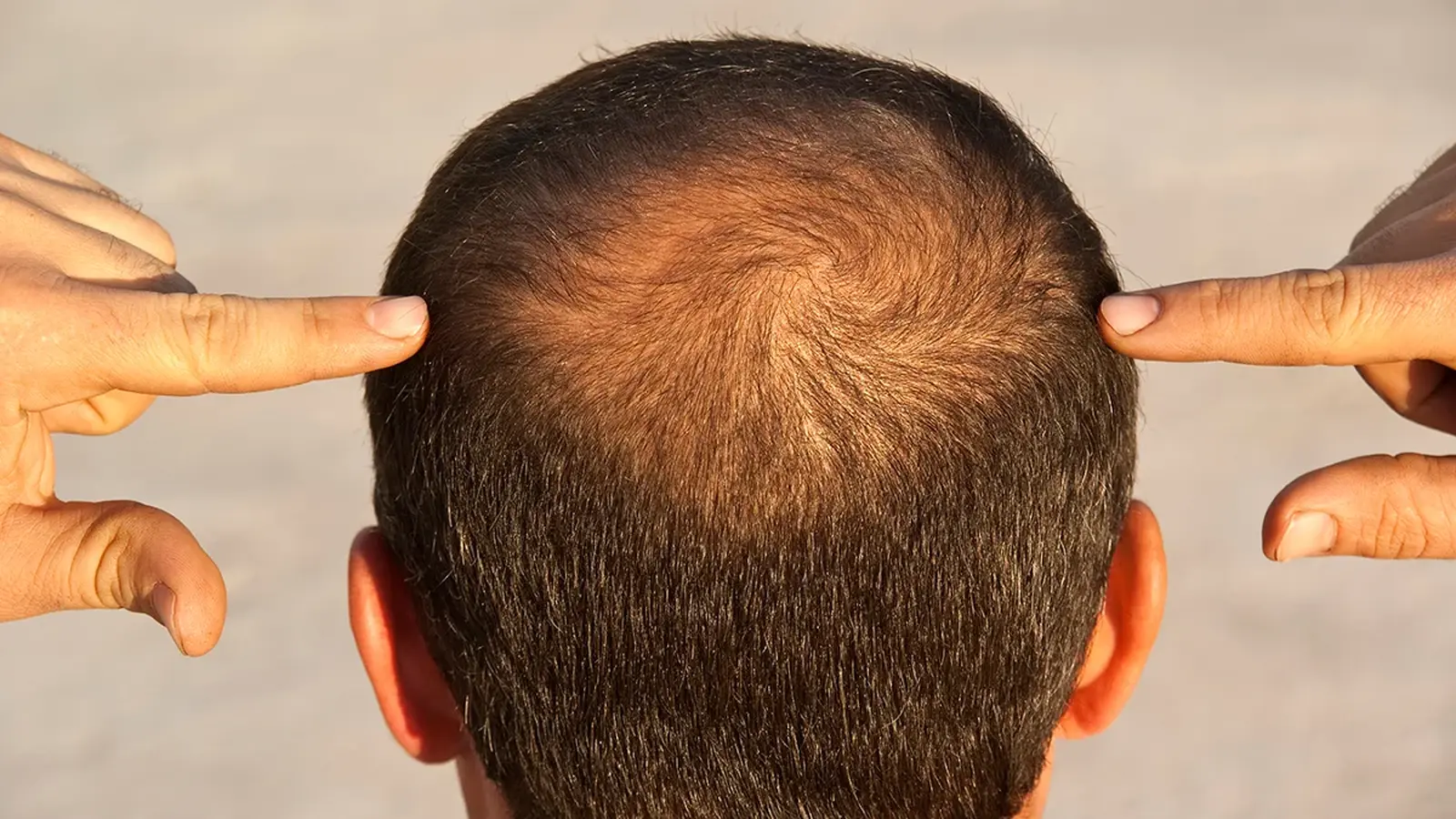
Why might a weight-loss shot tug at a man's hairline? Anecdotes have circulated for years — people noticing thinner hair after starting GLP-1 medications — but until now the evidence has been scattered and mostly anecdotal. A new genetic study, however, supplies the first statistical hint that the biochemical pathway targeted by drugs like Ozempic and Wegovy could be linked to male-pattern hair loss.
Researchers at New York University used a clever workaround instead of tracking patients on pills and injections. They turned to Mendelian randomization, a genetic technique that treats naturally occurring DNA differences as stand-ins for drug action. The team identified 22 genetic variants that raise expression of the GLP-1 receptor (GLP1R) in blood. Those variants mimic, in a subtle but measurable way, the increased activity seen when a person takes a GLP-1 agonist.
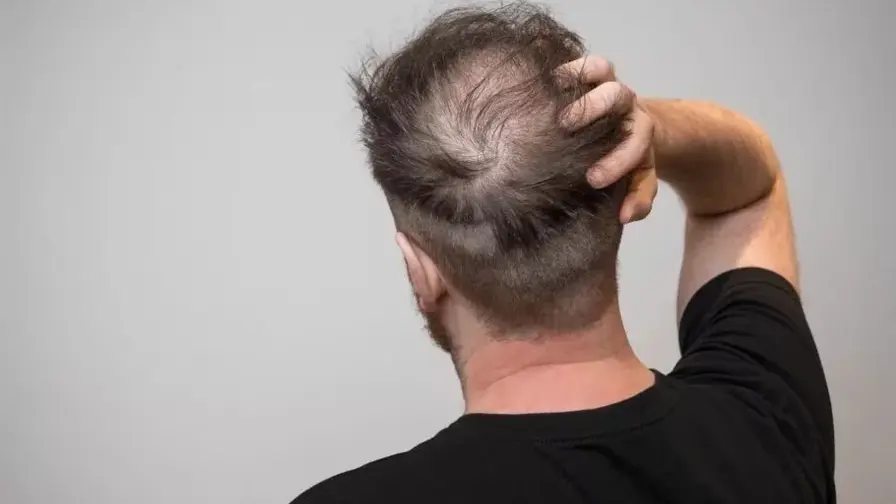
Next came a cross-check. The scientists scanned health records for 205,327 individuals to see whether those GLP1R-boosting variants were more common in men with androgenetic alopecia — the familiar pattern hair loss that affects many men. After adjusting for potential confounders such as blood pressure, testosterone levels, and body fat distribution, the result was small but consistent: men genetically primed to have higher GLP1R expression showed about a 7 percent higher risk of pattern hair loss.
Seven percent is modest. It’s not a dramatic guarantee. But it’s not nothing either. Think of it as a molecular dial nudging risk upward rather than flipping an on-off switch. And because the study uses genetics rather than actual drug exposure, it signals involvement of the GLP1R pathway rather than proving that taking a GLP-1 medication will, in every case, cause hair loss.
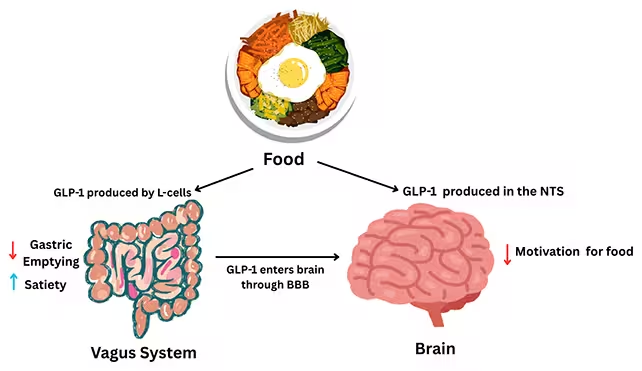
GLP-1 drugs are designed to mimic the effects of the natural GLP-1 hormone on the gut and brain.

That distinction matters. Carrying a GLP1R variant is not the same as being treated with a GLP-1 agonist, though they converge on similar biology. The researchers themselves emphasize that these findings support the pathway's role in hair biology rather than offering a one-to-one pharmacologic verdict. The takeaway is nuance: a plausible link, a modest effect size, and a clear need for follow-up work.
Most of the analysis focused on men because large, reliable datasets for female pattern hair loss are harder to come by. The team does not rule out a similar association in women, but current evidence is thinner there. Earlier this year, another study reported greater hair thinning among people on GLP-1 medications compared with some conventional diabetes treatments, so the genetic signal now lines up with clinical observations.
Mechanisms remain murky. Do GLP-1 drugs act directly on hair follicles? Or do they alter hormones, metabolism, or blood flow in ways that secondarily affect hair growth cycles? The study corrected for testosterone, body fat distribution and other factors, but those adjustments don’t answer the causal how. More lab work and trials are needed to trace the chain of events from receptor activity to a receding hairline.
From a practical point of view, what should patients and clinicians do with this information? The authors suggest one possible pathway: if subsequent studies validate the link, clinicians could screen men (and possibly women) for genetic risk before prescribing GLP-1 drugs and consider preventive measures — topical minoxidil or other hair-preserving strategies — for those at higher risk. That’s a careful, measured response rather than panic.
GLP-1 medications remain powerful tools against type 2 diabetes and obesity; their benefits for many patients are real and substantial. Still, as with any drug class, knowing the full spectrum of downstream effects helps doctors and patients weigh risks and benefits. This study adds a new piece to that puzzle: the GLP1R pathway, nudged upward, may modestly raise the odds of male-pattern hair loss.
As researchers design experiments to probe cause and mechanism, patients and prescribers will watch closely — because nothing about health decisions is static, and even a small molecular nudge can matter over the long run.

Leave a Comment
Comments (2)
wow didnt expect that… kinda scary if true. GLP-1s help a lot though, hope docs warn patients and consider hair prevention options
Is this for real? Genetic signals are cool, but MR trickery can mislead. I want actual patient data, not just odds nudges. hmm