
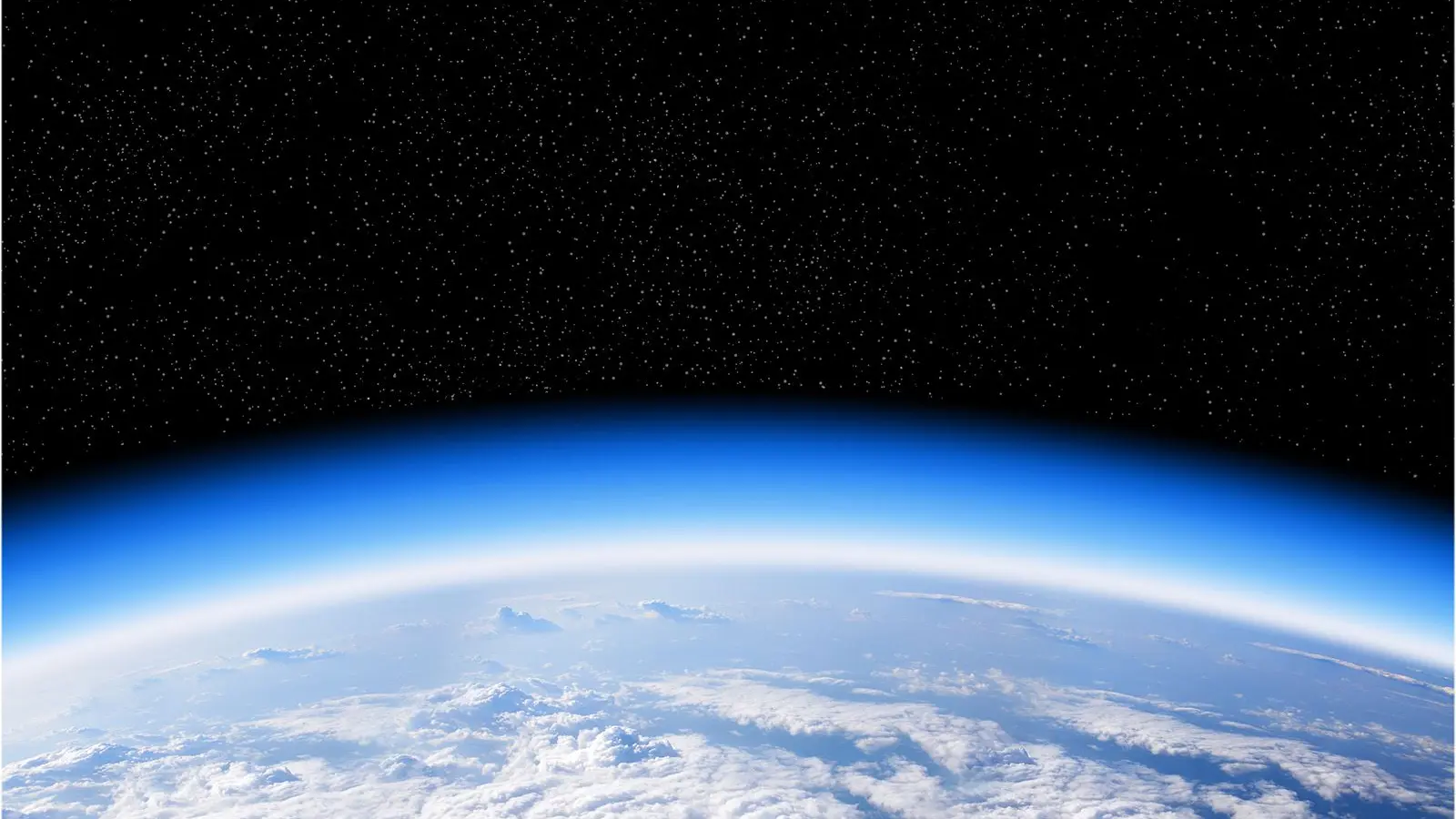
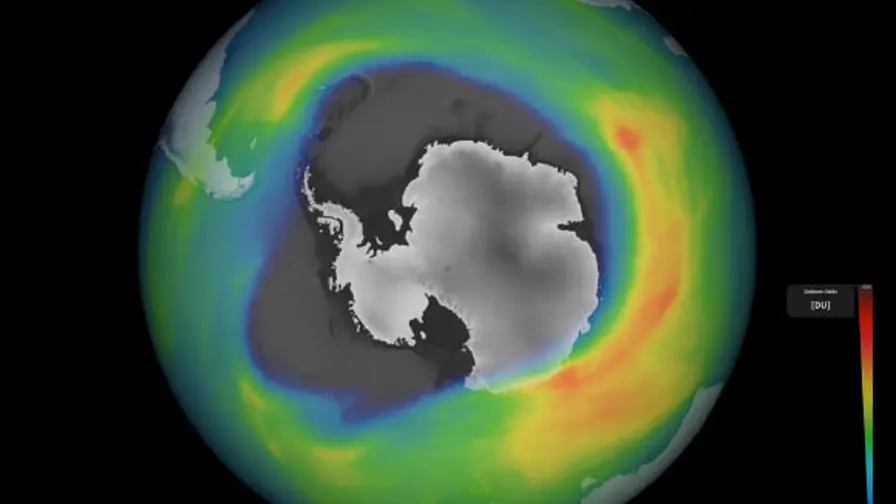
The World Meteorological Organization (WMO) reports encouraging signs: the Antarctic ozone hole in 2024 was significantly smaller than in recent years. Scientists caution that natural atmospheric variability played a role, but the long-term recovery trend continues thanks to global policy action and sustained monitoring.
What the WMO found in 2024
The WMO bulletin notes that the annual springtime Antarctic ozone hole — the seasonal depletion that appears over the South Pole — was smaller in 2024 than the average for 1990–2020. While year-to-year fluctuations are expected, the broader trajectory is positive: stratospheric ozone shows signs of gradual repair as levels of ozone-depleting substances fall.
'This is not an accident,' said Celeste Saulo, Secretary-General of the WMO, pointing to decades of international cooperation, open data sharing, and systematic monitoring that made the improvement possible. Yet experts stress that vigilance remains essential to lock in and accelerate recovery.
Why the ozone layer matters to life on Earth
The ozone layer, located in the stratosphere several kilometers above Earth, absorbs the Sun's harmful ultraviolet (UV) radiation. Without adequate ozone protection, risks would rise for skin cancer, cataracts, immune system damage, and disruptions to ecosystems and food chains. Improvements in ozone therefore translate directly into public health and environmental benefits.

How the Montreal Protocol turned the tide
The turnaround is largely credited to the Montreal Protocol of 1987. Nearly 200 countries agreed to phase out chlorofluorocarbons (CFCs) and other ozone-depleting substances used in products such as hair sprays, refrigeration, foam insulation, and fire-fighting foams. Over time the treaty has eliminated more than 99% of production and use of many key ozone destroyers.
That policy success demonstrates how targeted international agreements and sustained compliance can repair a planetary-scale problem. But the WMO and scientific advisors warn that natural atmospheric dynamics still influence annual ozone levels, so continued monitoring is required to distinguish temporary gains from long-term recovery.
Timetable for recovery and the next priorities
Scientists estimate recovery of the global ozone layer to 1980 levels — before the ozone hole emerged — if current policies remain in place. Projections indicate regional and timeline milestones: many ozone-depleted regions should largely recover by about 2040, the Arctic ozone hole could mend by roughly 2045, and the Antarctic hole is expected to return to 1980-like levels by around 2066.
'There remains a fundamental need for the world to continue systematic, high-quality monitoring of stratospheric ozone and the substances that destroy it,' said Matt Tully, chair of the WMO ozone scientific advisory group. Continued observations, laboratory studies, and satellite missions will be crucial to verify recovery and to detect any illicit or unexpected emissions of banned chemicals.
In short, the 2024 contraction of the Antarctic ozone hole is a hopeful sign rooted in decades of coordinated science and policy. The recovery path is underway, but it relies on sustained international commitment, robust monitoring networks, and rapid action if new threats appear.

Leave a Comment
Comments
No comments yet. Be the first.