
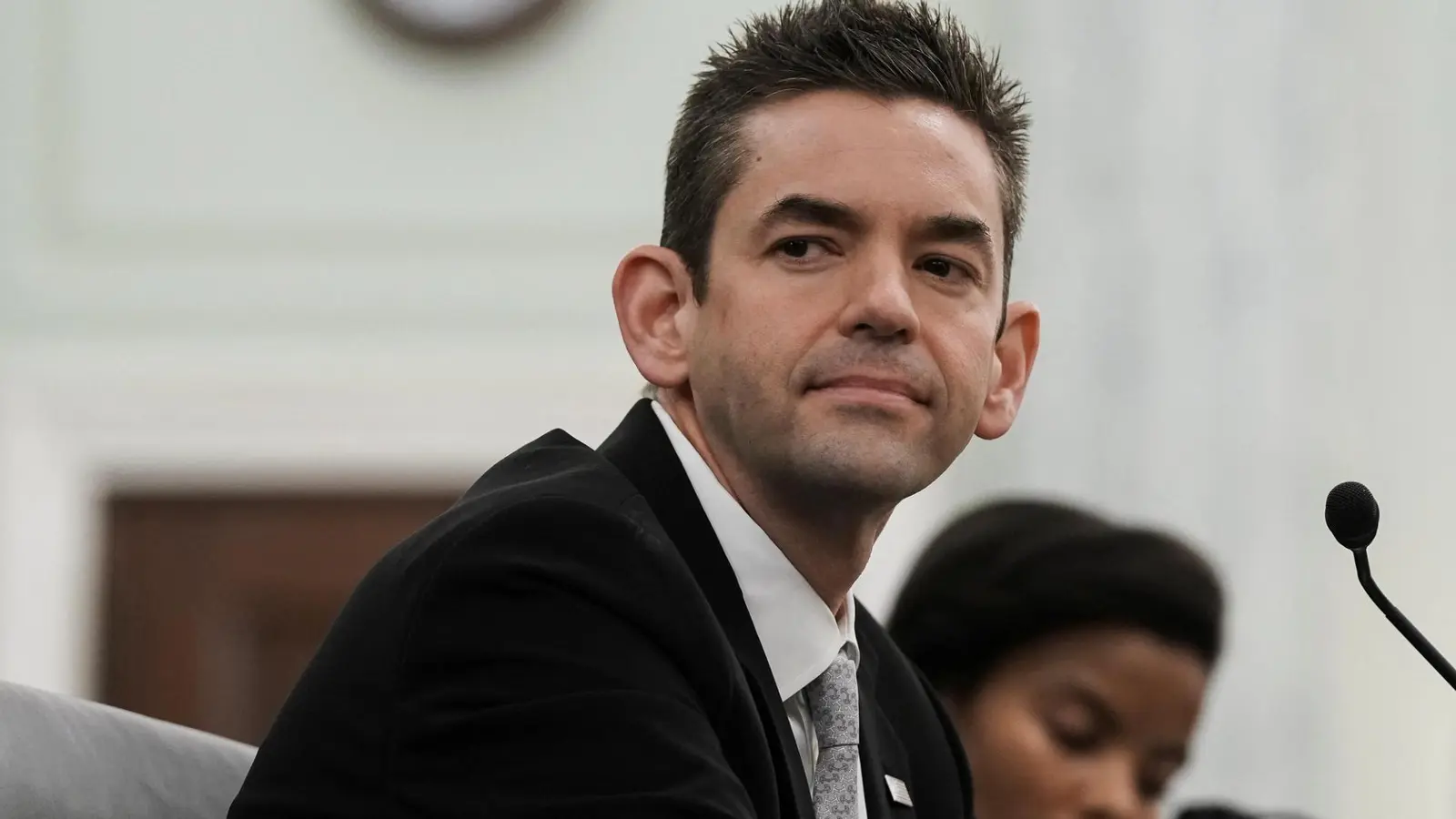
In a surprising political U-turn, President Donald Trump has renominated billionaire entrepreneur and private astronaut Jared Isaacman to serve as NASA administrator. The announcement comes just five months after Trump abruptly withdrew Isaacman’s earlier nomination, and it reopens debate over leadership, mission priorities and public-private partnerships as NASA prepares for a critical phase of lunar exploration.
A dramatic comeback: why the renomination matters
Trump’s decision to put Jared Isaacman forward again signals a renewed focus on bold, commercially driven space policy. Isaacman is best known for financing and commanding private missions that flew on SpaceX rockets — high-profile demonstrations of how private capital and crewed commercial flights can accelerate access to low Earth orbit. In a Truth Social post, Trump praised Isaacman’s enthusiasm for exploration, his astronaut experience and his commitment to growing the “new space” economy.
What happened the first time?
The president did not publicly explain why he rescinded Isaacman’s earlier nomination. Reports at the time suggested the reversal followed controversy over Isaacman’s political donations and tensions between Trump and Elon Musk, founder of SpaceX and an ally of Isaacman. According to the New York Times, the earlier nomination fell apart amid anger over donations Isaacman made to some Democratic campaigns and a very public dispute between Trump and Musk.
Isaacman’s background and steps to avoid conflicts
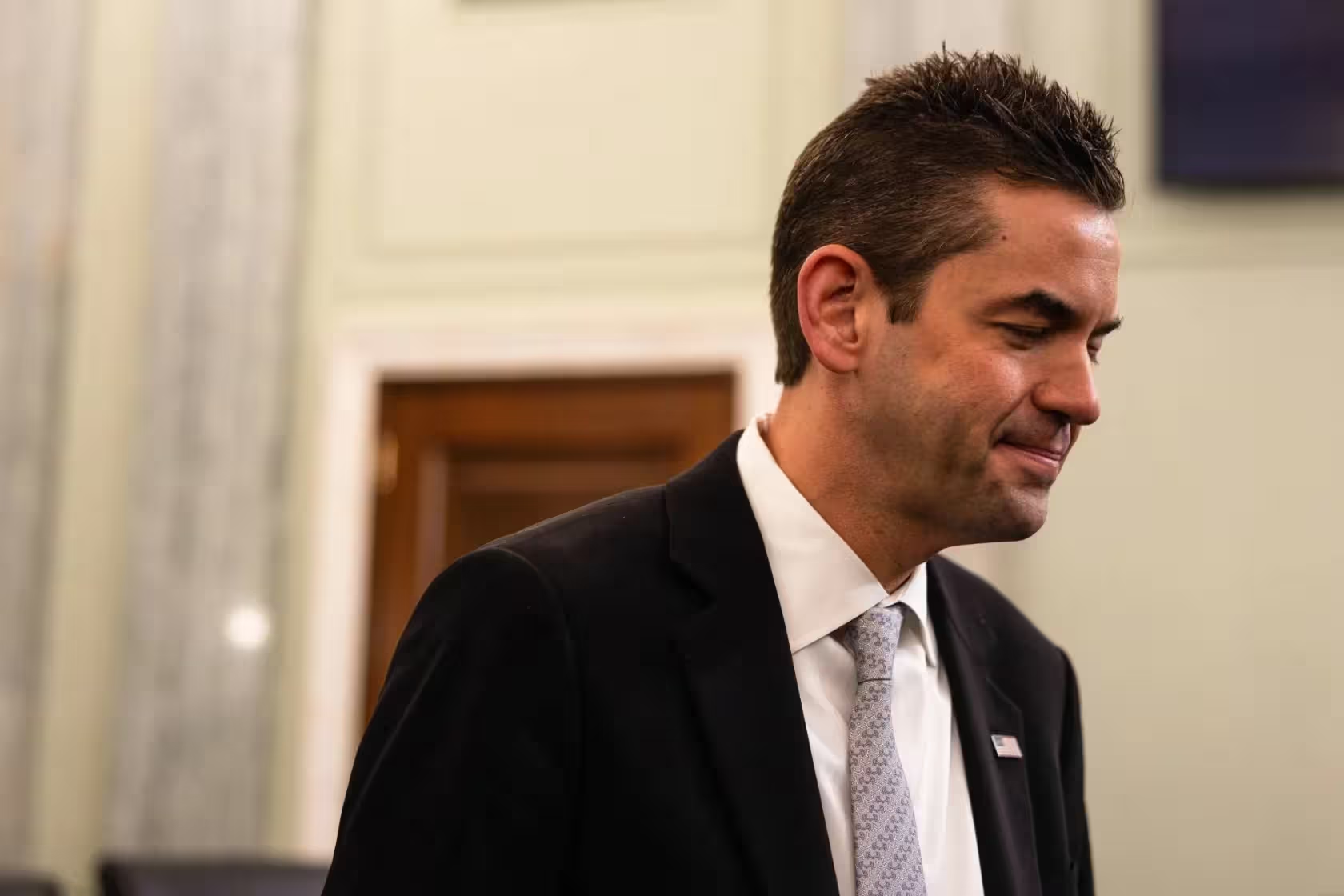
Isaacman, 42, made his name as a tech entrepreneur and private astronaut. He led two private missions aboard SpaceX vehicles that captured public attention and helped normalize commercial human spaceflight. After his first nomination was withdrawn, Isaacman resigned as CEO of his company, canceled planned contracts with SpaceX and reportedly tried to limit potential conflicts of interest — moves intended to reassure policymakers that he would separate business interests from public duties.
Immediate challenges awaiting NASA’s next leader
The agency Isaacman would lead faces real and complex pressures: long-term budget constraints, workforce shortages, shifting mission priorities and intense geopolitical competition in space. A top task will be steering the Artemis program, NASA’s plan to return astronauts to the Moon and eventually to Mars.
Artemis 3 and the lunar lander
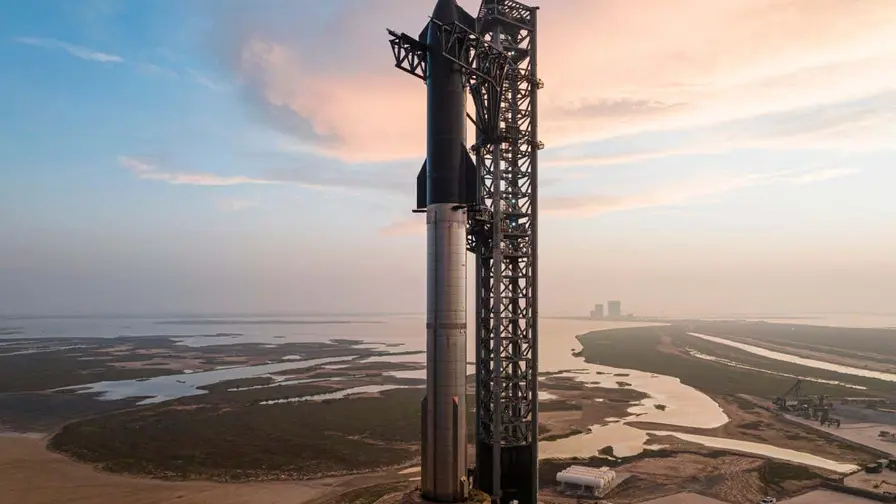
One of the most immediate operational hurdles is Artemis 3, the crewed lunar landing targeted for the late 2020s. NASA has contracted privately developed lunar landers to enable the surface landing; SpaceX’s Human Landing System has been central to that strategy. Yet disputes over schedules and technical milestones have created friction between NASA leadership, the Department of Transportation’s acting head Sean Duffy (who has been serving as interim NASA chief), and commercial partners. Concerns about potential delays, and the need to ensure reliable hardware, mean the next administrator must balance speed, safety and competition.
Politics, budgets and the global race for the Moon
NASA has operated without a permanent administrator for over ten months, with Sean Duffy filling the role temporarily. The agency’s budget direction under the current administration has emphasized crewed lunar and Mars missions, sometimes at the expense of Earth science and robotic programs. That pivot reflects broader political choices about where to allocate taxpayer dollars and how to position U.S. leadership in space — choices that the new administrator will help shape.
What comes next: Senate confirmation and international stakes
Isaacman’s path to leadership now depends on Senate confirmation. Lawmakers will scrutinize his financial ties, previous donations, corporate decisions and his ability to navigate relationships with industry partners like SpaceX. Internationally, NASA’s choices will affect alliances and rivalry; China’s plans to send astronauts to the Moon by 2030 raise urgency for a plan that is both credible and timely.
Expert Insight
“Leadership at NASA today requires a rare blend of technical understanding, diplomatic skill and experience managing complex public-private programs,” says Dr. Maya Thompson, an aerospace policy analyst at the Center for Space Studies. “If confirmed, Isaacman will need to restore internal stability, clarify priorities for Artemis, and rebuild confidence among Congress and international partners. That’s a tall order, but private-sector experience can be an asset if it’s matched with transparent safeguards against conflicts of interest.”
Whether the Senate approves this high-profile, and still-controversial, nomination will determine not only who sits in charge of NASA’s headquarters but also how the United States navigates the next decade of exploration — from lunar landers and Artemis missions to public-private partnerships that could underpin future crews to Mars.


Leave a Comment
Comments (2)
Whoa wild comeback! If he can actually steer Artemis and keep safety first while boosting private partners, ok im curious. still skeptical tho
Wait, so he quits CEO roles then gets renominated? sounds fishy. Can all those conflicts really be squashed that quick, or is this just political theater?