
5 Minutes
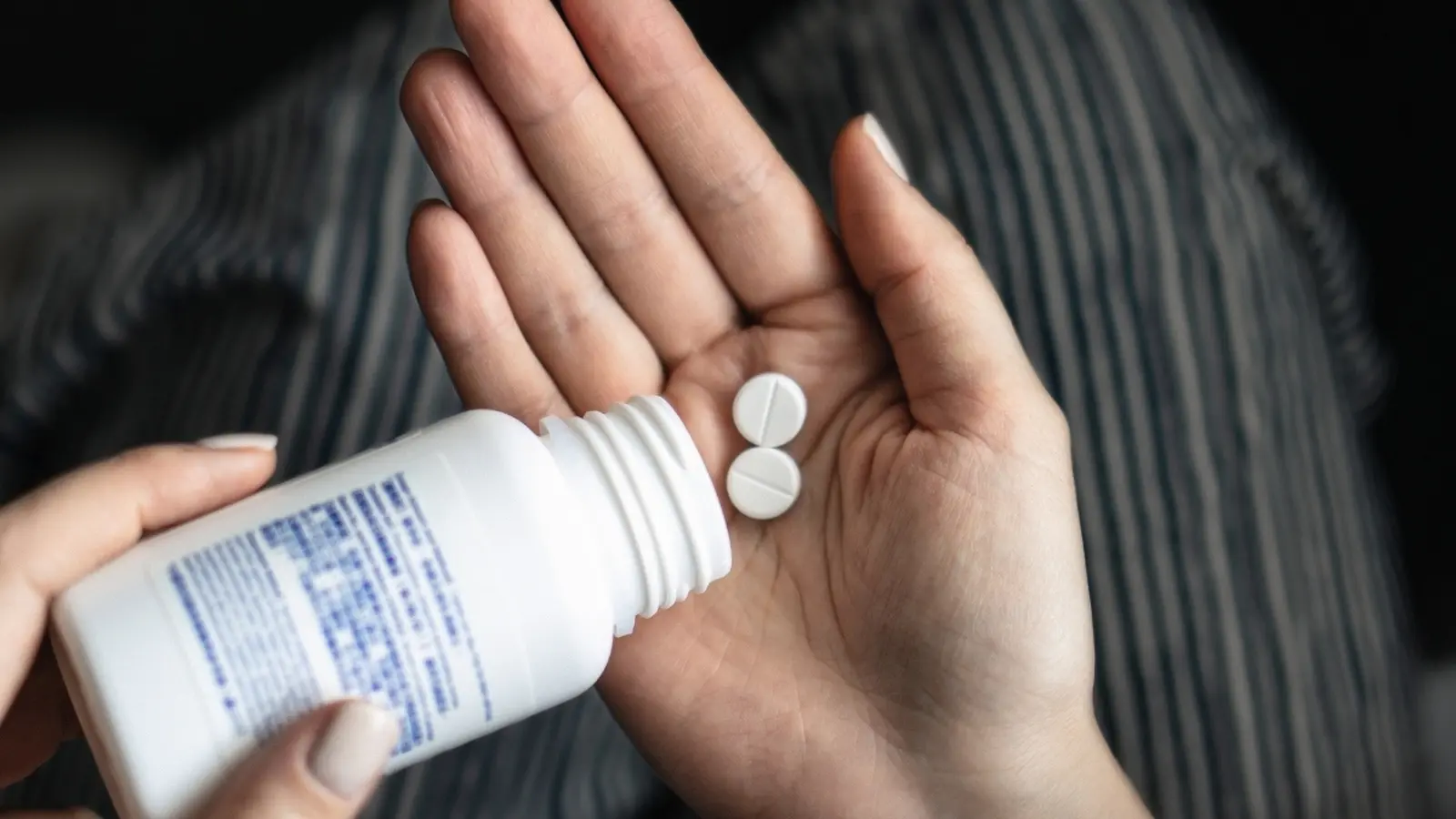
Every day people worldwide reach for pills without a second thought. Yet a small number of those tablets can damage the esophagus when they dissolve in the wrong place. What starts as a routine act of taking medication can become painful esophagitis if a pill becomes trapped at the lower esophageal sphincter and releases caustic ingredients onto delicate tissue.
Why a swallowed pill can become a medical problem
The inner lining of the esophagus is covered by a thin, specialized mucosa that helps food slide toward the stomach. Unlike the stomach, which is protected by mucus and strong acid-tolerant tissue, the esophageal mucosa is not made to withstand concentrated chemical irritants. When a tablet or capsule lodges in the narrowing where the esophagus meets the stomach, it can begin to dissolve and bathe the lining in acidic or alkaline compounds.
Some drugs release corrosive substances as they disintegrate. Others physically abrade the mucosa, and certain softgel or gelatin capsules can become sticky and cling to the wall. The result can be irritation, inflammation and sometimes ulceration — a condition known as pill-induced esophagitis.
Although rare, the condition is not negligible: published estimates put incidence around 3.9 cases per 100,000 people per year, and many mild episodes probably go unreported because they improve without medical care. Still, severe cases can progress to deep ulcers, perforation, infection and, in extreme situations, life-threatening complications.
Which medicines and formulations are most dangerous?
Certain drug classes are known culprits. Bisphosphonates, commonly prescribed for osteoporosis, are a leading cause of pill-related esophageal injury — one reason middle-aged and older women report higher rates, since they take these medications more often. Tetracycline antibiotics are another frequent offender, and common nonsteroidal anti-inflammatory drugs such as aspirin and ibuprofen can damage the lining by disrupting protective barriers rather than producing true chemical burns.
Other problem agents
- Potassium chloride: dense, slow-dissolving tablets that can irritate tissue if they dissolve early.
- Caffeine tablets: concentrated stimulants that increase acid secretion and can weaken mucosal protection.
- L-arginine and high-dose vitamin C: chemically alkaline or acidic supplements that can inflame when held against the mucosa.
- Vitamin E gelcaps and other oil-based softgels: can leak irritating oils if they lodge and soften.
Formulation matters. Gelatin-based soft capsules are hygroscopic, meaning they absorb moisture, which makes them swell and become sticky; that increases the chance of adhesion to the esophageal wall. Large, uncoated tablets are also more likely to linger during transit.
Signs, who is most at risk, and why timing matters
Symptoms often mimic heartburn but are usually sharper and more localized. Patients describe sudden chest pain behind the breastbone, pain with swallowing, or an abrupt change in voice or hoarseness. Symptoms typically begin soon after taking the offending medication.

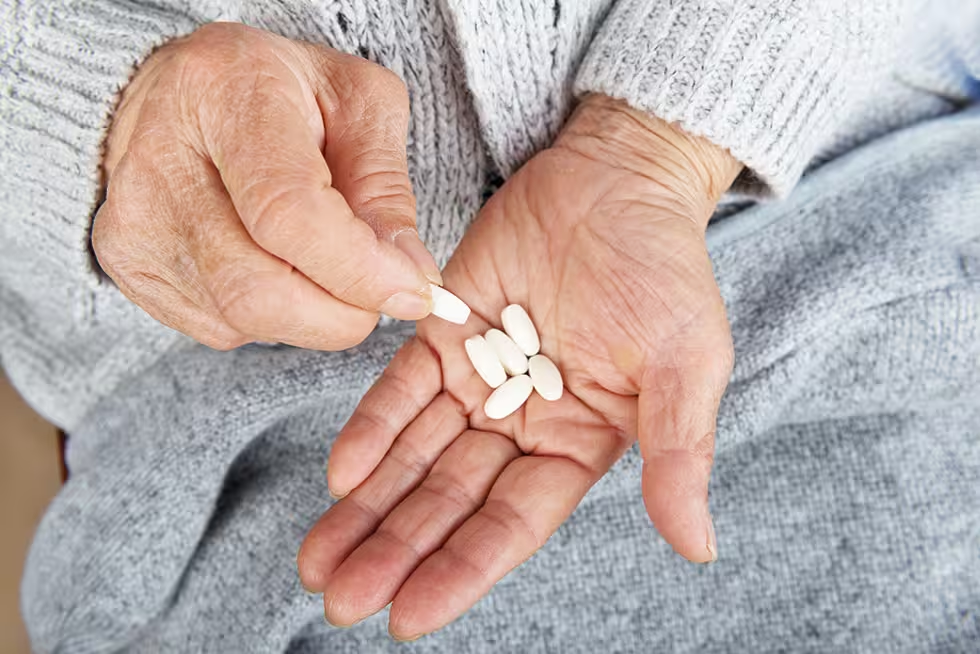
Certain groups face higher risk. Middle-aged women show higher incidence partly because of bisphosphonate use for bone health. Older adults are vulnerable because age-related changes in esophageal motility slow clearance, increasing dwell time for pills. Anatomical changes from an enlarged heart, thyroid enlargement or prior surgery can alter passage and create pockets where tablets can stick. Children are less commonly affected but have their own risks: smaller anatomy and difficulty swallowing whole pills raise the chance of lodging.
How doctors diagnose and treat pill-induced esophagitis
Diagnosis often relies on clinical history — the timing of symptoms relative to pill intake — and may be confirmed by endoscopy, which can visualize localized inflammation or ulcers. Most mild cases resolve within days or weeks after stopping the offending drug. For persistent or serious injuries, physicians may prescribe acid suppression with proton pump inhibitors to reduce ongoing irritation and promote healing, or use sucralfate to coat and protect eroded tissue.
When a specific oral medication is essential but problematic, clinicians can consider switching formulations, lowering the dose, splitting tablets, or switching to non-oral routes such as intravenous or injectable therapies when appropriate. However, alternative routes carry their own risks and benefits and should be discussed with a prescriber.
Practical steps to prevent a painful episode
Simple habits dramatically reduce risk:
- Swallow each pill with a full glass of water, about 200 ml, to help it clear the esophagus into the stomach.
- Remain upright for at least 30 minutes after taking medication so gravity helps passage and reduces reflux risk.
- Take pills one at a time instead of in a large handful, and consider using a pill cutter to reduce size for large tablets.
- Follow specific drug instructions: some medicines require an empty stomach, others with food — read labels and ask your pharmacist.
- If swallowing is difficult, explore alternative formulations (liquids, dispersible tablets, or patches) with a healthcare professional.
Above all, monitor new or worsening chest pain, difficulty swallowing or persistent voice changes, and seek prompt medical advice. Early recognition prevents escalation and averts rare but severe complications.
Expert Insight
Dr. Emily Carter, a gastroenterologist with 15 years of clinical experience, says: 'Patients often underestimate how much technique matters when taking pills. A large tablet with no water, taken while lying down, is a setup for trouble. In clinic I see many avoidable cases: the fix is rarely a new drug, but a small change in how it is taken.' She adds that pharmacists can offer practical solutions such as switching to liquid forms, advising on spacing, or recommending protective medications for those who need long-term treatment with high-risk drugs.
Prevention is straightforward and effective. A few deliberate habits protect the esophagus and keep routine medication from becoming a painful interruption to life.

Leave a Comment
Comments (2)
Is this even true? Sounds a bit alarmist, most ppl swallow pills fine. Any hard data on how often this actually leads to ulcers or worse?
Whoa, never thought a pill could burn your throat like that. I always gulp meds with coffee maybe I should stop. Ouch, scary but useful tip