
5 Minutes
For decades, paleontologists argued over whether Nanotyrannus was a separate small tyrannosaur or simply a juvenile Tyrannosaurus rex. A new study using an unconventional bone — the hyoid — now strengthens the case that Nanotyrannus was a mature, distinct predator, reshaping how we view late Cretaceous predator diversity.
Revisiting a classic fossil with fresh tools
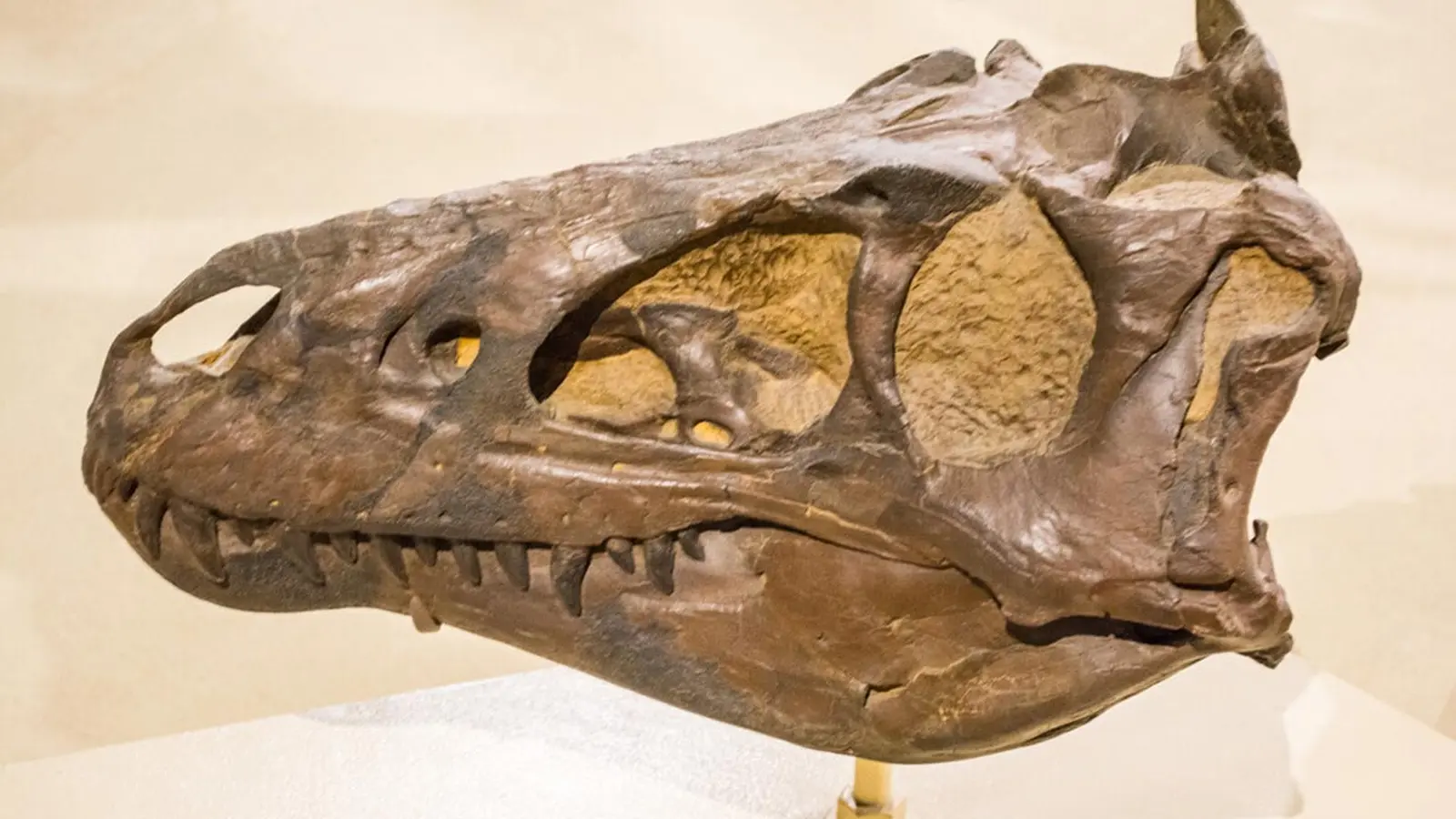
The specimen that defines Nanotyrannus lancensis is a skull discovered in 1942 and later reclassified in 1988. For years many researchers treated that skull as an immature T. rex—an understandable conclusion given the dramatic size difference between the skull and a full-grown Tyrannosaurus. But researchers led by Christopher Griffin of Princeton, with crucial histology work by Ashley Poust of the University of Nebraska State Museum, decided to test that narrative by looking at a less-studied bone preserved with the skull: the ceratobranchial, commonly known as the hyoid.
Paleohistology — the microscopic study of fossil bone tissue — is a powerful way to estimate age in extinct animals. Traditionally scientists sample large limb bones (femur, tibia) or ribs. This study broke with convention by asking whether the hyoid could carry a preserved growth record. The answer: yes. Microscopic growth marks and tissue organization in the hyoid indicate that the individual had reached, or was approaching, skeletal maturity when it died.
“This small-bodied — in relation to the T. rex — meat-eater’s hyoid bone showed growth patterns that suggest maturity or approaching maturity,” said Ashley Poust, Voorhies Endowed Curator of Vertebrate Paleontology. That signal is crucial: if the holotype skull came from a mature animal, the simple juvenile-T. rex explanation becomes far less likely.
.avif)
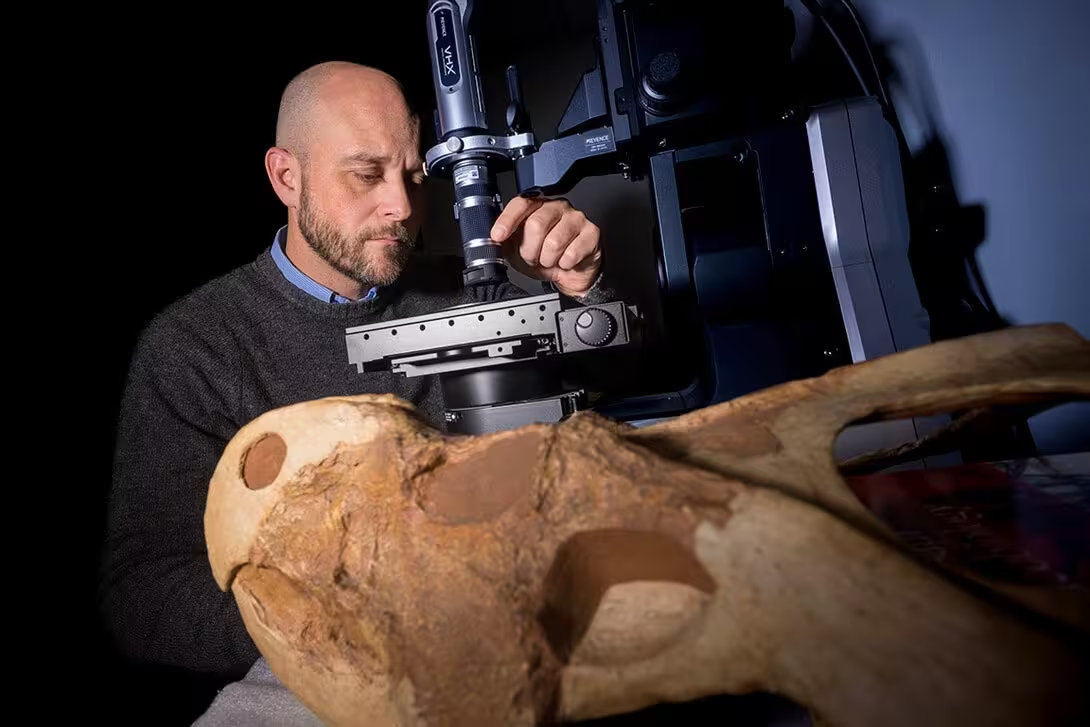
Ashley Poust, Voorhies Endowed Curator of Vertebrate Paleontology for the University of Nebraska State Museum, stands behind a cast of the upper jaw of a Tyrannosaurus rex, one of the largest specimens known.
How a tongue bone became a forensic tool
The hyoid is a slender bone that supports the tongue and throat structures. In living animals such as birds, alligators and lizards, hyoid growth patterns appear to record age reliably. Griffin, Poust and colleagues compared the fossil hyoid tissue with samples from modern relatives and other dinosaur bones. They found consistent microstructural indicators of maturity — lines and bone tissue types that match adult growth profiles.
Paleontologists sampled the hyoid carefully and examined thin sections with high-powered microscopes to count growth lines and assess bone remodeling. The histological signature was inconsistent with rapid juvenile growth and instead matched the pattern expected in an adult or near-adult individual. That finding provided independent evidence that the holotype skull does not belong to a young T. rex growing into colossal size.
What this means for dinosaur diversity and ecology
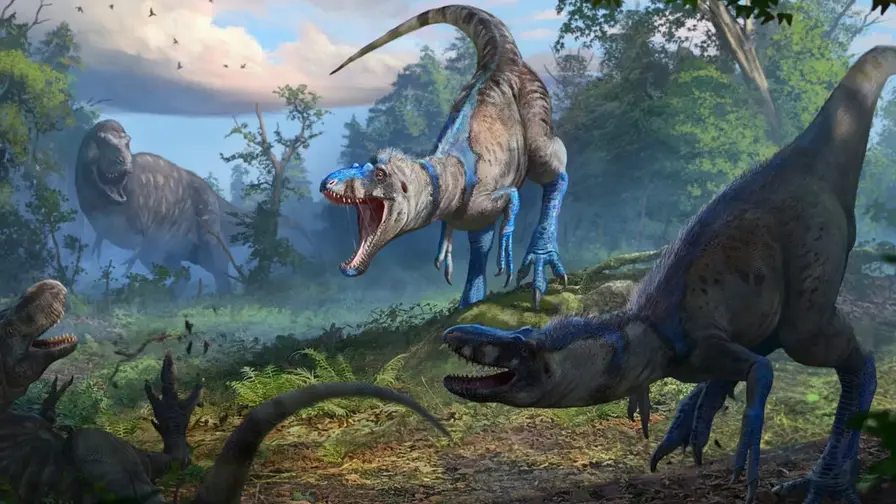
If Nanotyrannus is a bona fide, smaller-bodied species, then ecosystems that included T. rex likely supported at least two different-sized top predators. That changes ecological interpretations: smaller tyrannosaurs would have preyed on different animals, partitioned habitat or hunting techniques, and affected food-web structure and competition. Paleobiologists now must revisit food-web models, predation pressures, and how multiple large predators coexisted in the same Late Cretaceous landscapes.
Size alone also matters for extinction and survival studies. Smaller-bodied species can have different reproductive rates, growth strategies, and vulnerability to environmental change. Identifying Nanotyrannus as a distinct taxon increases recognized species richness in the fossil record and sharpens how we interpret evolutionary trends in theropods.
Scientific background: why species debates persist
Taxonomic disputes are common in paleontology because the fossil record is fragmentary and growth can change morphology dramatically. Juvenile dinosaurs sometimes look nothing like their adult forms. That’s why scientists rely on multiple lines of evidence — comparative anatomy, histology, and, where possible, associated skeletons representing growth series. For Nanotyrannus, the holotype skull is the anchor: any additional specimen called Nanotyrannus lancensis is referenced to that defining fossil. Demonstrating that the holotype is mature is therefore pivotal.
Previous studies reached mixed conclusions. Recent independent work published in Nature examined another suspected Nanotyrannus specimen and reached conclusions compatible with the new hyoid histology study. When different teams using different methods converge on the same outcome, confidence in the taxonomic decision grows.
Expert Insight
"Using the hyoid as an age proxy is an elegant example of asking new questions of old fossils," says Dr. Helena Vargas, a vertebrate paleobiologist at the Natural History Institute (fictional for context). "It highlights how even tiny bones can preserve life-history signals that change interpretations of whole ecosystems. For paleoecology, that’s a big shift: one skull can rewrite who the top predators were and how they shared ecological roles."
Ashley Poust noted the methodological promise: studying small, under-sampled bones opens new opportunities for aging specimens that are otherwise incomplete. The team’s approach could be applied to other fragmentary fossils where traditional age markers are absent, expanding the toolkit for species identification in deep time.
Implications and next steps
Confirming Nanotyrannus as a distinct species prompts several next steps for the field. Paleontologists will search for more associated skeletons that can provide growth series and clarify anatomical differences. Researchers will re-evaluate Late Cretaceous faunal lists to update diversity estimates and refine ecological models. Histological studies on other small theropod bones may reveal additional cryptic species hiding in museum collections.
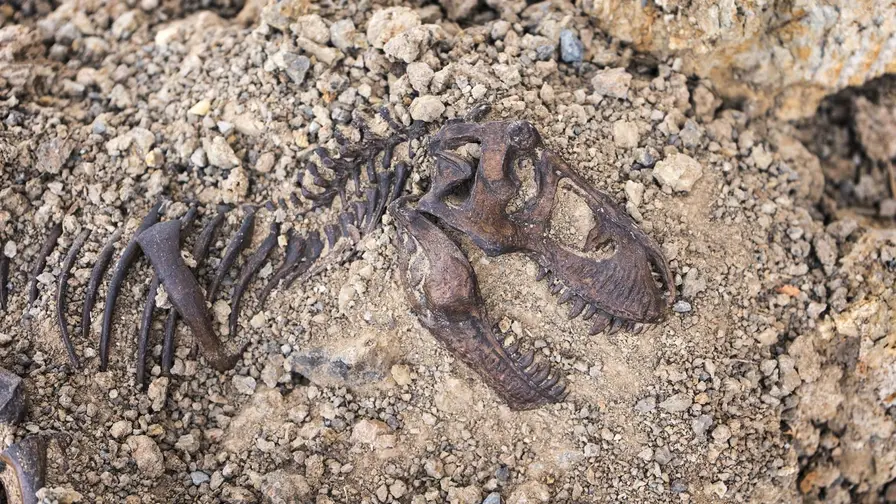
Ultimately, this case underscores how methodological innovation — applying histology to an unconventional bone — can resolve long-standing controversies. Beyond settling a decades-long debate, the study offers a fresh window into the complexity of ancient ecosystems and reminds us that even tiny bones can carry big scientific stories.












Leave a Comment
Comments (2)
is this solid though? histology on a hyoid seems neat, but sample size small, right? curious how other experts will react hmm
Whoa, this flips the script... a tiny tongue bone settling a huge debate? wild. If true, paleo ecologies gotta be rethought, realy cool