

6 Minutes
A vaccine that you inhale rather than receive in the arm has just shown the kind of promise that changes how we think about stopping respiratory viruses: it can stop H5N1 bird flu where infection begins — in the nose and upper airway — and, in animal tests, it prevented the disease from taking hold.
Stopping the virus at the gateway
H5N1, the avian influenza strain that has quietly widened its footprint in the United States since 2014, poses a persistent threat because it hops from wild birds into farm animals and has even infected people. Sporadic human cases — more than 70 in the U.S. since 2022, including two deaths — are a reminder that the virus still has ample opportunity to evolve. The danger is not only severe disease in an individual; it is that the virus could someday acquire traits that allow sustained human-to-human spread.
Researchers at Washington University School of Medicine in St. Louis pursued a different defensive strategy: build immunity where the virus first confronts the body. Instead of relying on injected shots that primarily induce circulating antibodies in the blood, they adapted a nasal spray platform to deliver an engineered antigen directly to the upper airway. The result: robust local immunity in the nasal passages and lungs, and near-complete protection against H5N1 in mice and hamsters challenged with the virus.
How the vaccine is made and why it matters
The science behind this intranasal vaccine combines two familiar ideas — antigen design and viral-vectored delivery — but applies them where they matter most. The team selected surface proteins from H5N1 strains known to infect humans and then created an optimized antigen that highlights features common to those variants. That antigen was packaged inside a harmless, non-replicating adenovirus, which acts as the vehicle that carries the antigen into cells lining the airway.

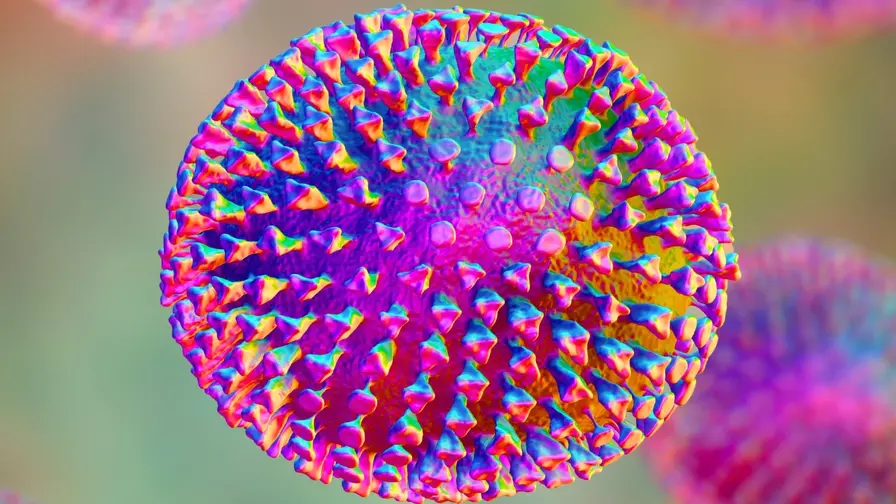
This platform is recognizable: it mirrors a nasal COVID-19 vaccine developed earlier at the same institution and deployed in India since 2022, and the design has already advanced to clinical testing in the U.S. The advantage of placing the antigen on mucosal surfaces is straightforward. Immune defenses in the nose can intercept a respiratory virus before it establishes a foothold. When the immune system is primed in these tissues, the result is both protection from severe disease and, crucially, reduced potential for onward transmission.
'Our vaccine to the nose and upper airway — not the shot-in-the-arm vaccine people are used to — can protect against upper respiratory infection as well as severe disease,' said Jacco Boon, PhD, co-senior author of the study. 'This could provide better protection against transmission because it protects against infection in the first place.'
Animal tests: strong protection, even with prior flu immunity
In controlled laboratory experiments, hamsters and mice given the nasal vaccine were largely shielded from H5N1 infection. The protection held even when animals received low doses of vaccine and faced high viral exposures. Perhaps equally important: prior immunity to seasonal influenza — which most people already carry from past infections or vaccinations — did not blunt the nasal vaccine's effectiveness. That addresses a key concern for any new influenza vaccine, because immune memory from unrelated flu strains can sometimes skew responses away from newly introduced antigens.
'Delivering vaccine directly to the upper airway where you most need protection from respiratory infection could disrupt the cycle of infection and transmission,' noted Michael S. Diamond, MD, PhD, co-senior author. 'That’s crucial to slowing the spread of infection for H5N1 as well as other flu strains and respiratory infections.'
The core takeaway is simple: mucosal immunity matters. A vaccine that induces strong antibody and cellular responses in the nasal passages can both prevent severe disease and reduce transmission risk.
Scientific context and implications
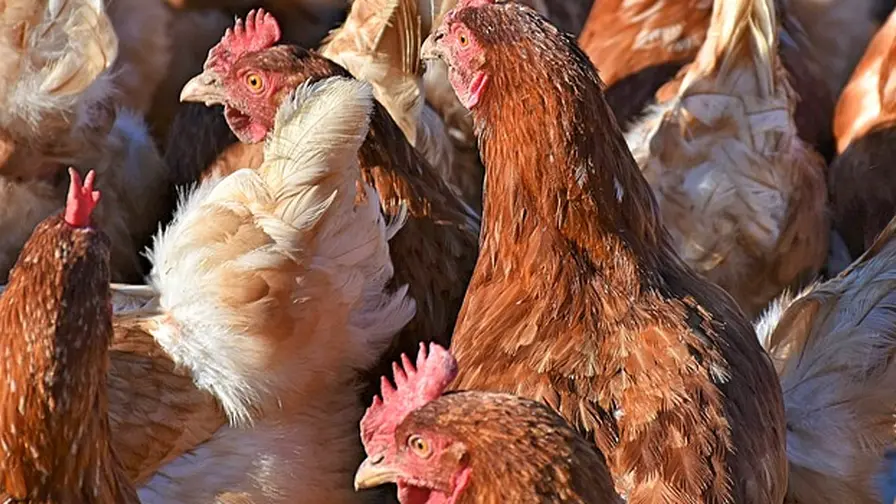
Traditional seasonal flu vaccines aim to reduce severe outcomes by stimulating systemic antibody responses. They do a reasonable job at that, but they are not optimized to block infection in the upper respiratory tract. For zoonotic threats like H5N1, which continue circulating extensively in animal reservoirs, cutting off infection at the entry point could be the difference between isolated spillover events and a rapidly spreading outbreak.
Designing an antigen that captures conserved elements across human-infecting H5N1 strains helps the immune system recognize a moving target. Pairing that antigen with an adenoviral vector fine-tunes delivery to mucosal tissues. The net effect in animals has been broad, potent immunity focused where it counts.
There are practical reasons why this strategy matters beyond laboratory success. A mucosal vaccine that reduces transmission could be deployed in agricultural settings, among poultry workers, and in communities where animal—human interfaces are common. It could also serve as a platform adaptable to other respiratory pathogens — an important consideration for pandemic preparedness.
Next steps and real-world testing
The research team plans more animal studies and experiments using organoids that model human immune tissues. They also intend to refine the vaccine to further minimize any residual interference from prior seasonal flu exposure while amplifying antiviral responses. Those refinements will inform dose selection, delivery systems, and safety assessments needed before human trials can proceed.
Regulatory pathways for mucosal vaccines are established but demanding. Safety signals must be carefully tracked because delivery to the airway can elicit different immune and inflammatory profiles than intramuscular injections. Still, the fact that the same platform has moved into clinical testing for COVID-19 provides a useful roadmap for advancement.
Expert Insight

'This work exemplifies a pivot we've needed for years: prioritize immunity at the portals of entry,' said Dr. Claire Moreno, an infectious-disease vaccinologist not involved in the study. 'You can have high blood antibody levels and still allow a virus to replicate in the nose. Mucosal vaccines aim to close that loophole. If they prove safe and scalable in humans, they will be a powerful addition to our pandemic toolbox.'
There is no single silver bullet for preventing pandemics. But targeting the first battleground — the nose and upper airway — is a strategy with clear logic and now tangible experimental support. The coming months of testing will determine whether this intranasal approach can move from promising animal data to an available tool for people at risk of H5N1 exposure and, potentially, against other respiratory threats.











Leave a Comment
Comments (2)
Sounds promising but is adenovirus vector safe longterm? Also curious if prior flu immunity really wont skew responses, seems iffy and rushed
Wow, inhaled vaccine stopping H5N1 at the nose? If that works in humans this could change everything. Hope trials go well, cautious tho…