
4 Minutes
Imagine neural stem cells stepping back onto the stage after decades in the wings. Small, unexpected changes can have outsized effects. Researchers at the National University of Singapore report a mechanism that may coax dormant brain progenitors back into activity — and that could reframe how we think about brain aging.
How aging silences the brain's repair crew
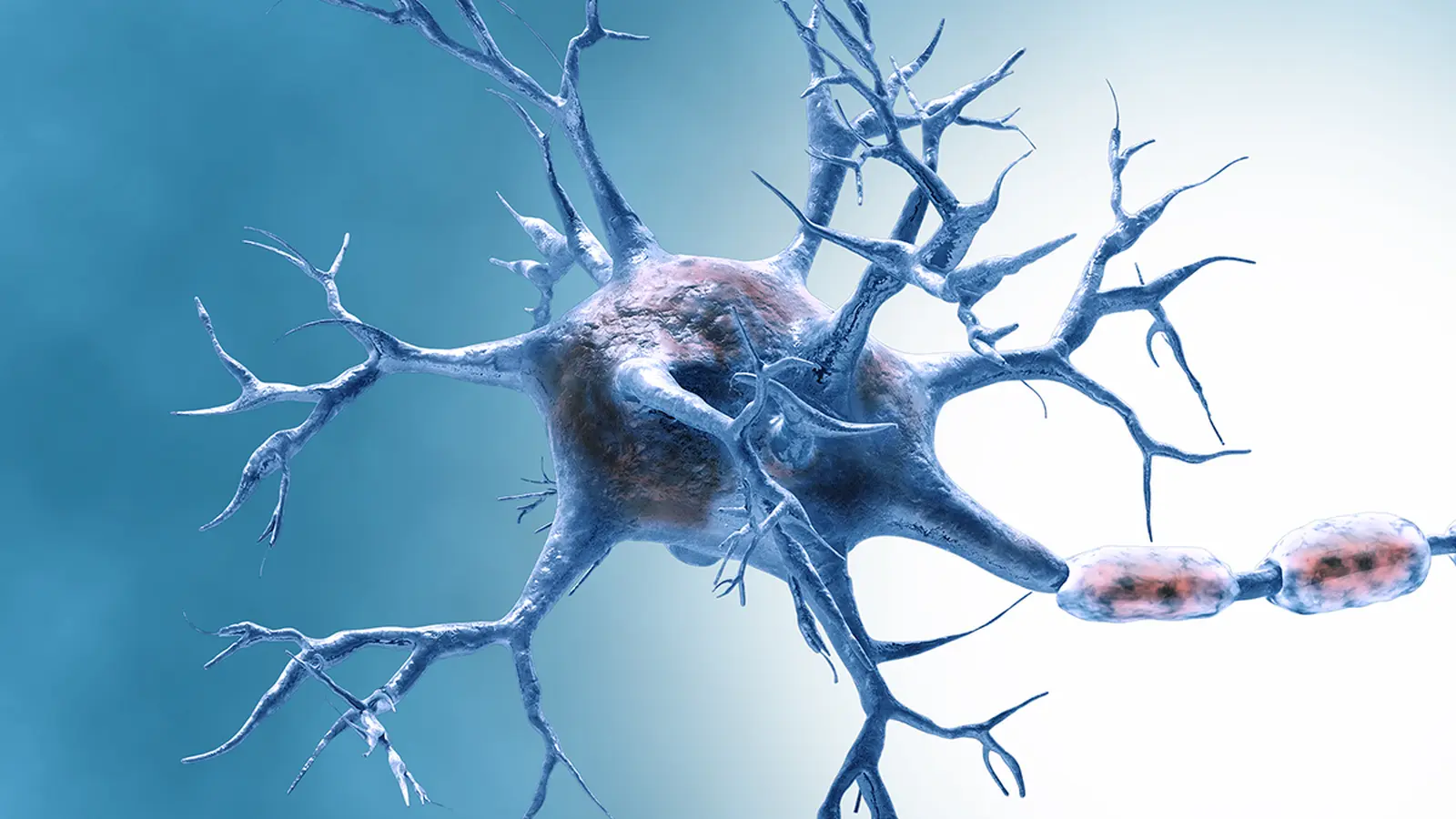
Your brain does not stop changing as you age, but its ability to make new neurons slows considerably. Neural stem cells (NSCs) — the progenitors responsible for producing fresh neurons throughout life — enter a more dormant state with time. The result is subtle at first: slower learning, a harder time forming new memories. Later, vulnerability to neurological disease increases.
One important culprit is telomere shortening. Telomeres are protective caps at the ends of chromosomes that shorten every time a cell divides. Over many divisions they wear down, diminishing a cell’s ability to proliferate. It’s a biological hourglass. Less division. More silence.
Uncovering DMTF1's unexpected influence
To probe ways around that silence, the NUS team combined experiments on human neural stem cells in culture with genetic manipulations in mice. They homed in on a transcription factor called cyclin D-binding myb-like transcription factor 1, or DMTF1. Transcription factors act like switches: they bind DNA and change which genes are turned on or off.
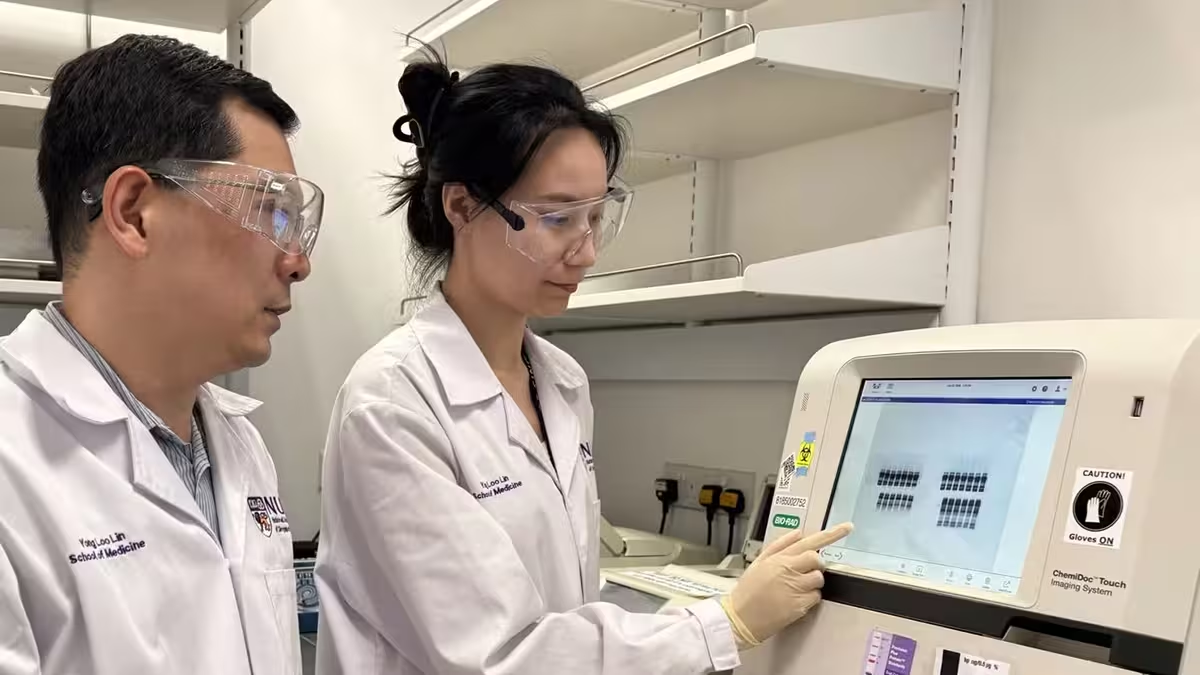
Older brains showed lower levels of DMTF1. Younger, healthier tissue had more. When researchers boosted DMTF1 in NSCs, the cells began to divide more actively. Neurogenesis — the creation of new neurons — seemed to recover, at least in the lab. Interestingly, pushing up DMTF1 did not lengthen telomeres. Instead, it appeared to activate an alternative pathway that restores the cell cycle machinery needed for growth.
Two downstream helpers stood out: Arid2 and Ss18. These genes, activated by DMTF1, promote gene programs that re-start cellular proliferation. Think of DMTF1 as a foreperson flipping a master switch, and Arid2 and Ss18 as crew leaders who get production lines moving again.
Why this matters — and what we must be cautious about

At face value, the discovery offers a clearer map of why NSCs slow down and a potential lever for reversing that slowdown. Could therapies one day nudge stem cells back into action and ease age-related cognitive decline? The idea is tantalizing.
But science moves at a careful pace. These findings come from laboratory cultures and mouse models. Mice are valuable. Yet they are not human brains. Before any clinical optimism, we need rigorous animal studies that test not only whether neuron production increases, but whether that increase translates to better learning, memory, or resilience to disease.
There is another caveat: DMTF1 promotes cell growth. That quality raises a red flag because uncontrolled proliferation is a hallmark of cancer. More division is not automatically better. Any approach that manipulates growth pathways must be finely tuned to avoid tipping the balance toward tumor formation.
Implications for research and therapies
Identifying DMTF1’s role gives researchers a concrete target. That’s valuable. Targets enable drug screens, gene-therapy strategies, and deeper explorations of how aging programs within cells can be overridden safely. It also connects to broader efforts investigating telomere biology, epigenetic change, and synaptic maintenance — all pieces of the same aging puzzle.
Non-pharmacological strategies remain relevant too. Lifestyle measures such as exercise, healthy diet, and stress management continue to show measurable benefits for brain health. They are low-risk ways to help preserve cognitive reserve while the science of cellular rejuvenation progresses.
Expert Insight
"This is the kind of mechanistic clarity the field needs," says Dr. Elena Marris, a fictional neurobiologist and science communicator. "Finding a transcription factor that restores proliferation without repairing telomeres suggests alternate entry points for intervention. But translation will require unusually careful safety testing — and an understanding of how restored neurogenesis integrates into existing circuits. You don’t want new players on stage without rehearsing first."
Questions remain. Will boosting DMTF1 in aged brains improve cognition in meaningful ways? Can researchers design interventions that stimulate neuron growth selectively, avoiding oncogenic risk? These are the next experiments to watch.
For now, DMTF1 is a promising thread in a larger tapestry: a molecular route by which aging throttles the brain’s regenerative engine — and potentially, a path to switch that engine back on.














Leave a Comment
Comments (2)
is this even true in humans? mice + cell cultures are a start but brains are complex, boosting proliferation sounds risky, could it make tumors? curious to see long term tests..
wow didn't expect DMTF1 to flip a switch like that. exciting, kinda surreal, but cancer risk looms. hope they check real memory gains not just cell counts. quick thought